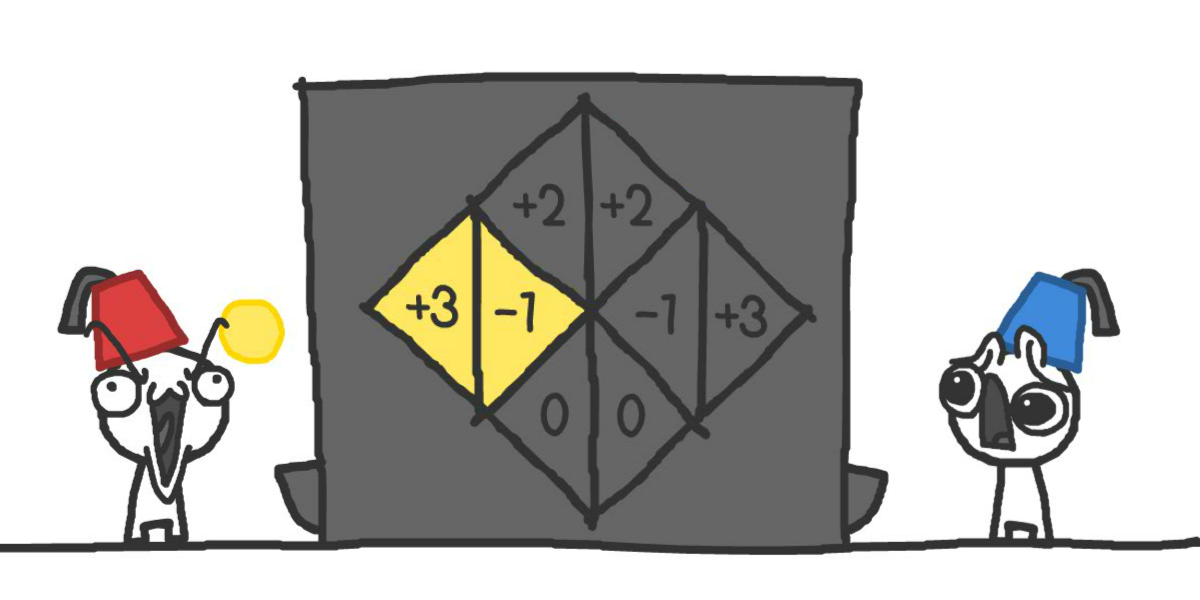
The Evolution of Trust
By Nicky CaseA playable explanation of why we trust each other, told through a deceptively simple game.
Simulations, explainers and tools that let people learn by changing something.
An interactive experience turns a reader into a participant. A slider can make an abstract relationship visible; a simulation can reveal the consequence of a choice. Good examples make that action easy to find and connect it to a result that someone can understand without reading a manual.
Explore these projects for their interaction design as well as their subject. Look for sensible starting values, readable labels, a reset action and a useful explanation of what changes. The linked guides show how to pick one interaction, test its assumptions and keep a first tool usable on a phone. Scientific and technical explanations still need reliable sources and appropriate limits.
Open a project to try it and find the original.
A playable explanation of why we trust each other, told through a deceptively simple game.
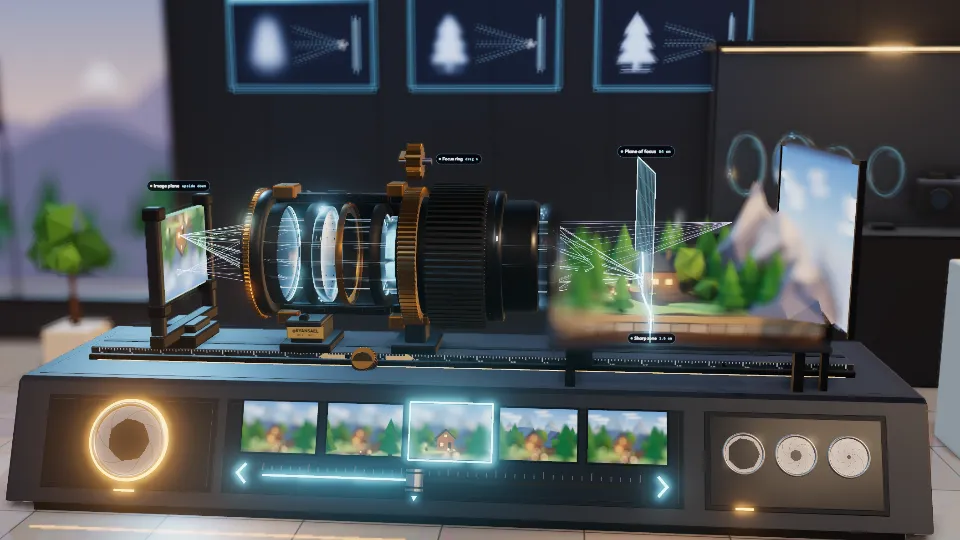
Turn a lens's focus ring and aperture to see where an image becomes sharp.

Paint with swirling color. A tactile fluid simulation that turns your cursor into a brush.
Measure the useful action in your project with a small event plan, verified GA4 or PostHog receipts, and a clear funnel. Keep private information out of tracking.
Read the guideMake a playable browser game with a clear loop, touch controls, restart behavior, and a tested public link. Start small before adding levels or accounts.
Read the guideTurn an explanation into a useful interactive tool with Opus 5.5. Define the calculation, show assumptions, test edge cases, and choose the right sharing route.
Read the guideTest the real task on a narrow screen with touch, readable text and a working keyboard. Handle desktop-only experiences honestly with a useful save-for-later route.
Read the guideExplore more work, ideas and people across the directory.