
MS
Miguel Sanchez-Grice
Exploring AI, voice and product creationI explore new product capabilities across voice, agents, product creation, marketing and beyond.
Published by the creatorGames, tools, videos and music from independent creators and teams. Credited and linked to the original.
134 creators and teams, 462 works.
I explore new product capabilities across voice, agents, product creation, marketing and beyond.
Published by the creator
Interactive stories, playful explanations, and little tools that make big ideas feel human.
Found via Explainer ToolsSmall, surprising games and experiments that turn a browser tab into a place to play.

Creative development, playful 3D worlds, and a hands-on way to learn Three.js.
Found via Clipcade
Visual essays and a growing digital garden about programming, design, and anthropology.

Visual mathematics through 3Blue1Brown: animations, lessons, and explanations built around intuition.
Found via Explainer Tools
Interactive explanations of maps, pathfinding, and the math behind game development at Red Blob Games.
Found via Explainer ToolsInteractive articles and courses about CSS, animation, and the craft of building for the web.
Found via Explainer Tools
Creates interactive 3D explanations of science, technology, and everyday systems.
Found via Explainer Tools
Creates interactive engineering and space simulations through airsup lab.
Found via Explainer Tools
Builds illustrated essays with hands-on models of physics, machinery, and geometry.
Found via Explainer ToolsProbability and statistics visualizations by Daniel Kunin, Jingru Guo, Tyler Dae Devlin, and Daniel Xiang.
Found via Explainer ToolsAuthor of Distill's interactive explanation of momentum and optimization.
Found via Explainer ToolsThe authors behind Distill's interactive guide to interpreting t-SNE.
Found via Explainer ToolsThe authors behind Distill's visual guide to Gaussian processes.
Found via Explainer Tools
Creates AI-assisted visual stories and motion-graphic explainers.
Found via Explainer Tools
Shares visual explanations about language models and interpretability.
Found via Explainer Tools
Founder and creator sharing startup stories and growth advice.
Found via Explainer Tools
A software developer exploring mechanisms and 3D scenes with code.
Found via Explainer Tools
A frontend and creative developer exploring real-time 3D scenes and water simulations.
Found via Explainer Tools
Creates interactive 3D experiments in code, form, light and motion.
Found via Explainer Tools
Built an interactive flight and wind-tunnel lab with GPT-6 Astra.
Found via Explainer Tools
Builds hands-on 3D playground labs about computing.
Found via Explainer Tools
Writes interactive visual introductions to robotics math.
Found via Explainer Tools
Built HOME RUN, an interactive home-loan simulation game.
Found via Explainer Tools
Co-built an interactive explainer of 3D Gaussian splatting.
Found via Explainer Tools
Built an interactive explainer of LLM text watermarking.
Found via Explainer Tools
Writes interactive explainers on AI systems and calibrated decision models.
Found via Explainer Tools
Built an interactive periodic table site with Claude.
Found via Explainer Tools
Explores AI-assisted animation and explanations about Bitcoin.
Found via Explainer Tools
Built an interactive SeedSigner dice-to-seed walkthrough.
Found via Explainer ToolsBuilt Behind the Click, an interactive explainer featured by Netlify.
Found via Explainer Tools
Explained Visually: interactive explanations of math and statistics concepts.
Found via Explainer ToolsAmazon Machine Learning University visual essays on core ML concepts.
Found via Explainer Tools
Author of Circles Sines and Signals, an interactive DSP primer.
Found via Explainer ToolsCreator of D3; wrote the visual essay Visualizing Algorithms.
Found via Explainer ToolsQuantum Country: an essay in a mnemonic medium on quantum computing.
Found via Explainer ToolsUniversity of Colorado Boulder's free interactive math and science simulations.
Found via Explainer Tools
Digital publication explaining culture with visual essays.
Found via Explainer Tools
Videos about science, engineering and interesting things.
Found via Explainer ToolsCoding Adventures: visual videos building simulations and graphics from scratch.
Found via Explainer Tools3D-animated explainers of how technology works.
Found via Explainer Tools
3D-animated explainers of machines, buildings and spacecraft.
Found via Explainer Tools
Makes 3Blue1Brown-style computer-vision explainers with AI.
Found via Explainer Tools
Built a generative video classroom that answers questions with animated explainers.
Found via Explainer Tools
Researcher making AI-generated 3Blue1Brown-style paper teasers.
Found via Explainer Tools
Produced a long-form animated explainer on database performance.
Found via Explainer Tools
Makes Manim-style AI explainers of LLM research.
Found via Explainer Tools
Made a 3Blue1Brown-style explainer of how LLMs work.
Found via Explainer Tools
Makes Claude-made computing-history explainer videos.
Found via Explainer Tools
AI video platform showcasing AI-generated science explainers.
Found via Explainer Tools and Clipcade
Immunologist making AI-generated educational videos on T cells and immunology.
Found via Explainer Tools and Clipcade
Creates interactive essays about biology and other science topics.
Found via Explainer Tools
Creates interactive explorables about collective behavior and complex systems.
Found via Explainer ToolsOriginal visual lessons: change one variable, observe what happens, and understand why. Interactive models and short narrated films for curious minds.
Found via Explainer ToolsCreates educational browser simulations of waves, circuits, fields and mathematics.
Found via Explainer ToolsBuilds interactive mechanics simulations with equations, graphs and adjustable physical parameters.
Found via Explainer ToolsPublishes HTML5 physics demonstrations with concise explanations and adjustable experiments.
Found via Explainer ToolsDevelops browser tools for exploring solar geometry, environmental physics and mathematical form.
Found via Explainer ToolsCreates browser-based physics models spanning thermodynamics, fluid flow and quantum mechanics.
Found via Explainer ToolsCreates interactive explanations connecting physics, mathematics and visual science communication.
Found via Explainer ToolsDevelops interactive computational models for learning science, including molecular and biological systems.
Found via Explainer ToolsCreates Robotics Bench, an illustrated electronics and robotics workbench.
Found via Explainer Tools
Built the interactive technology for Visualizing Quaternions, with lessons by Grant Sanderson (3Blue1Brown).
Found via Explainer ToolsCreates interactive science experiments for curious children, alongside a learning world and an open curriculum map.
Found via Explainer ToolsBuilds Sims, a collection of interactive explorations of scientific concepts.
Found via Explainer Tools
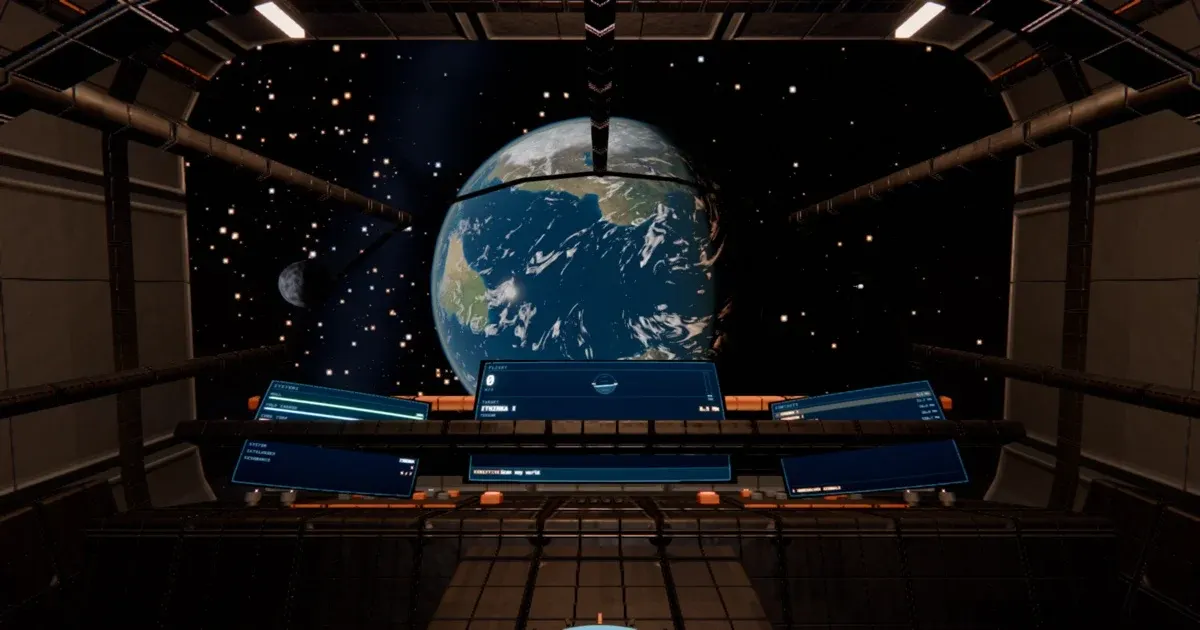
Anshu Chimala's The Long Silence is a browser experience set in a procedurally generated galaxy, viewed from the cockpit of a deep survey vessel called Pale Seeker. Players scan worlds, walk around the ship, and follow the Resonators, and the page says it requires WebGL2.
Found via Clipcade
Arthur Bouffard works as a creator and developer in augmented reality. His public profile lists work at Snap and links to a personal portfolio.
Found via Clipcade
Creates open-source interactive 3D explorers, including Human Atlas for anatomy and Model X Studio for exploring a car component by component.
Found via Clipcade
Aya Bochman co-founded FASHN, a company building AI tools for fashion. Public posts introduce FASHN releases and demonstrations made with named collaborators.
Found via ClipcadeWork credited to Borelli Corp. in Clipcade includes Dungeon Crawler Carnage.
Found via Clipcade
Lyra Starter Game is an Unreal Engine sample distributed through Epic's own channels. It requires an Unreal Engine installation and a download to run.
Found via ClipcadeCreator of Doodle District, a browser-based Three.js shooter game.
Found via Clipcade
Flavio Adamo shares development work and AI-assisted creative experiments through @flavioAd.
Found via ClipcadeWork credited to Jean Schramm in Clipcade includes Gauntlet Loop · Jean Schramm.
Found via ClipcadePublishes a collection of browser-game demos built with Claude Code, including a pixel runner, neon tower defense, and a falling-block puzzle.
Found via Clipcade
Kevin Liu combines software engineering and design. His public profile links to kevinliu.studio and Claude of Tanks.
Found via Clipcade
Krisztian Somoracz is an engineering lead who explores the creative side of code through Three.js, sharing work through newkrok.com.
Found via Clipcade
Luckey Faraday explores AI models, agents, benchmarks and applied experiments, sharing tests, comparisons and builds.
Found via Clipcade
Builds browser games and open-source tools for Three.js, including procedural dungeon generation and agent skills for game development.
Found via ClipcadeWork credited to Martin Grahn in Clipcade includes Slipstream Vector.
Found via Clipcade
Founder and CEO of OthersideAI, the company behind HyperWrite. Builds AI products, invests in AI infrastructure, and shares experiments in agent-driven software.
Found via ClipcadeCurates AI demonstrations and shares roundups of new experiments.
Found via Clipcade
Pavel Dobryakov creates fluid-simulation software for the web and mobile devices.
Found via ClipcadePlayco is described in an OpenAI case study as a startup in North America working in media, entertainment and sport. The company is building Playbot, an AI-powered development environment for professional game developers. Playbot connects to engines such as Unity and Godot so AI
Found via ClipcadeThe gauntlet-loop repository sits under the robonuggets GitHub account. Its README credits the skill to Jay E at RoboNuggets and links to robonuggets.com. The repository is licensed CC BY 4.0 and describes itself as a skill that turns a goal into a reusable prompt for agents, rat
Found via ClipcadeWork credited to Ryan Campbell in Clipcade includes Kart Royale.
Found via Clipcade
Sharif Shameem works on models at OpenAI and shares projects through a public account and personal website.
Found via ClipcadeWork credited to Shin Megami Boson in Clipcade includes Clouds..
Found via Clipcade
Shubham Saboo works on AI products and writes about GPT-3 and neural search. His public profile describes a senior AI product management role at Google and links to an open-source collection of LLM apps.
Found via Clipcade
Spawn is a platform for making games with friends, available at spawn.co.
Found via Clipcade
Works on developer experience for Codex at OpenAI. An app developer and open-source builder with a focus on SwiftUI.
Found via ClipcadeWork credited to Token-Gremlin in Clipcade includes ABYSSAL.
Found via Clipcade
Explores AI-assisted 3D creation, with projects in this collection spanning architectural scenes and a detailed steam-locomotive model.
Found via Clipcade
Unity Technologies is the company behind the Unity platform. Its X profile describes Unity as a tool for building interactive 2D, 3D, and VR games across more than 20 platforms, and links to the company website.
Found via ClipcadeWork credited to Voidtalker in Clipcade includes Dream Logic.
Found via Clipcade
Yunfan Ye builds RomeAILab and works in AI research. The public profile describes earlier roles at Google, Meta and Yutori AI and links to the Rome open-source repository.
Found via ClipcadeThe GitHub account per-simmons publishes a public repository named unreal-agent-harness. It is a toolkit that lets an AI agent, identified on the page as Claude, work inside Unreal Engine 5.8 through the official Unreal MCP plugin. The agent can drive the editor, capture and deco
Found via ClipcadeWork credited to usama-shiranai90 in Clipcade includes Claude of Iron.
Found via ClipcadeDiscover independent creators through their games, tools, videos and other projects.
Tools and inspiration for people making science-based explainer videos and interactive explanations.
A playable explanation of why we trust each other, told through a deceptively simple game.

Draw connections between people to explore how ideas and behaviors spread through human networks.

Move voters and candidates to compare how voting rules can produce different election outcomes.
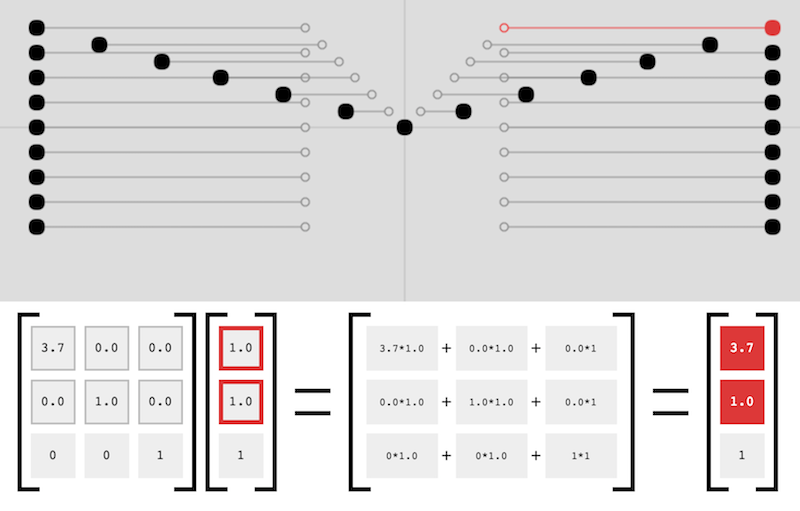
Change matrix entries and watch vectors transform, connecting arithmetic with movement on a plane.

An interactive story in which you play the anxiety. Contains mature language and themes.

A tool for thinking in systems: draw causal loops and simulate them.
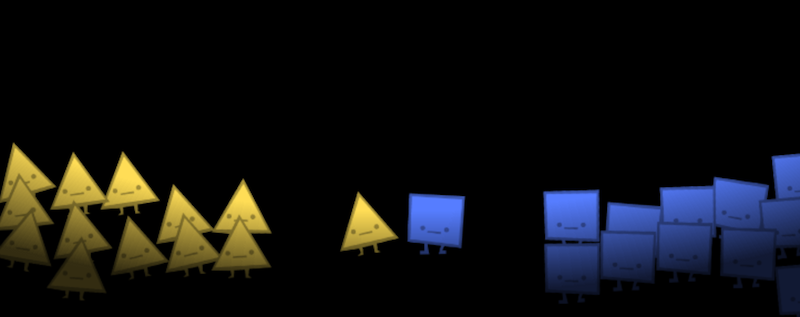
A playable post on how harmless individual choices can make a harmful world (with Vi Hart).

A whirlwind interactive tour of the core ideas of AI and AI safety.

A comic-style explainer of privacy-preserving contact-tracing apps.
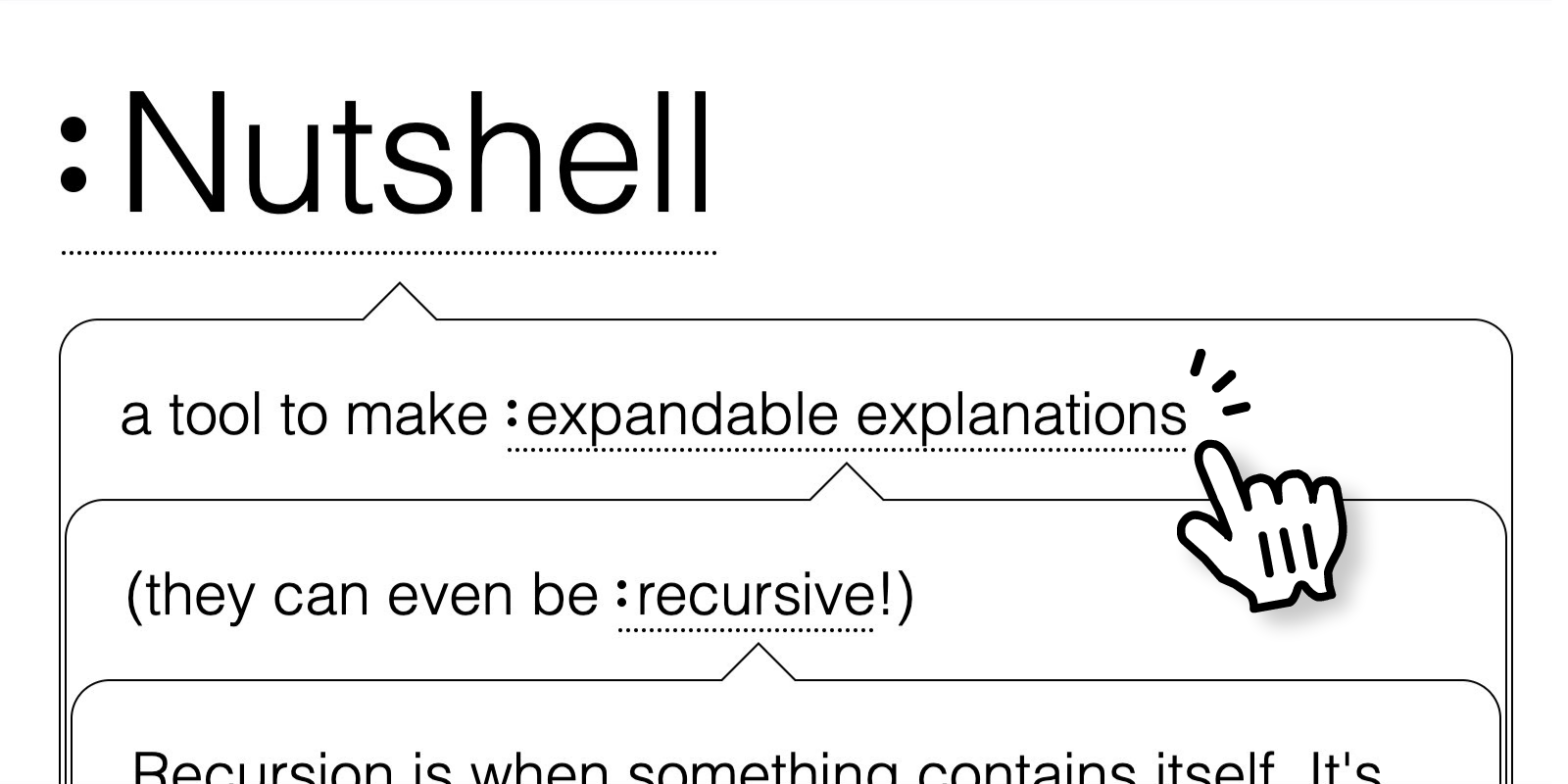
A tiny tool for expandable explanations. Follow an idea without losing your place.

A game about news cycles and the vicious and endless cycles they can form.
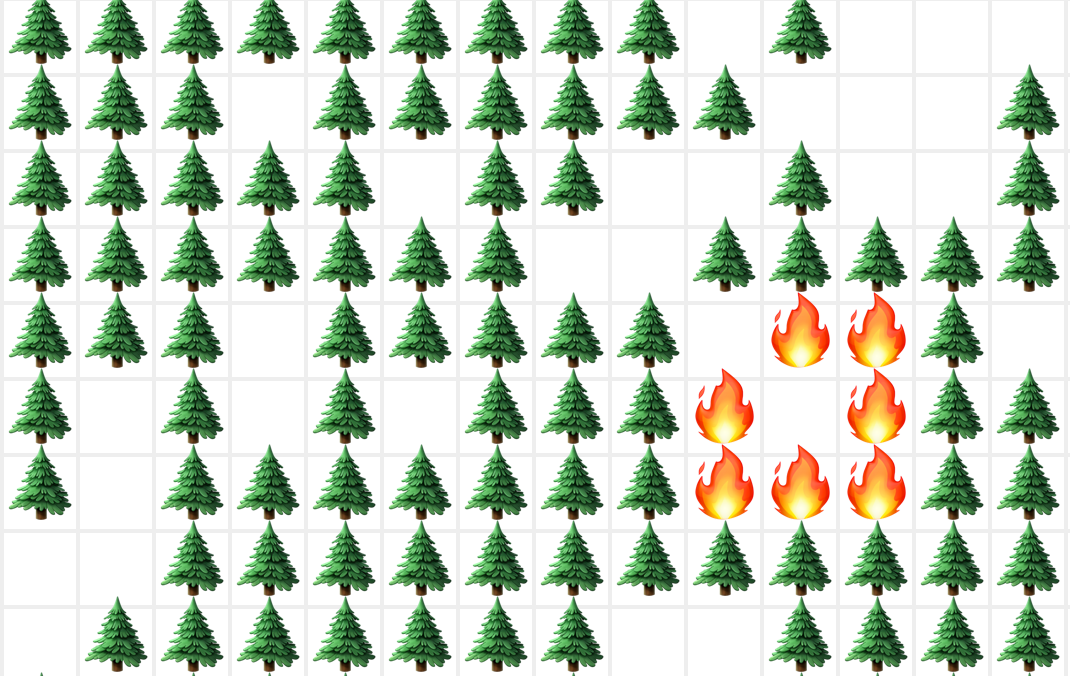
A tool for building cellular automata using emoji.

A children's picture book about life and stochastic gradient ascent.
A craft tutorial for making plushie patterns with play-doh and paper towels.

A Stanford mini-talk on explaining things well.
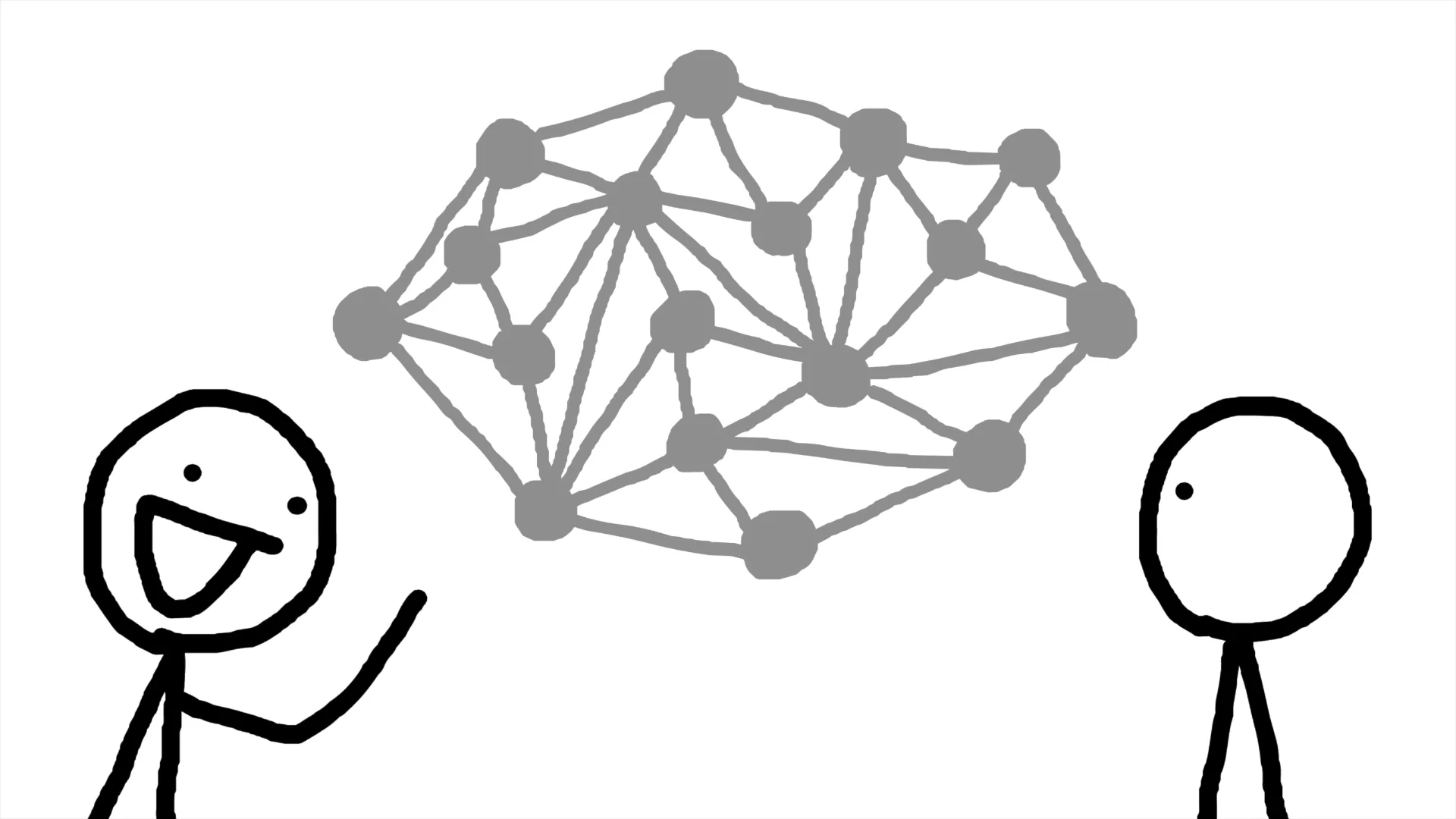
A GDC 2019 microtalk.

A talk given at the NYU Games Center in 2019.
A password form with an increasingly unreasonable set of rules.
A long-form scroll interaction descends through ocean depth zones, mixing creature facts and historical expedition details; the page credits Dr. Harri Pettitt-Wade for editing and feedback.
The portfolio website links to a video series documenting how the world was built.
A collection of visual essays, notes, and patterns that grows over time.
Observed patterns in how people use and make software.

An essay on chatbot sycophancy and passivity that makes the case for more intellectually challenging AI companions.

An essay on proving you are human on a web flooded with generative AI content.
An essay that views tools for thought through a historical and anthropological lens rather than as computational objects.
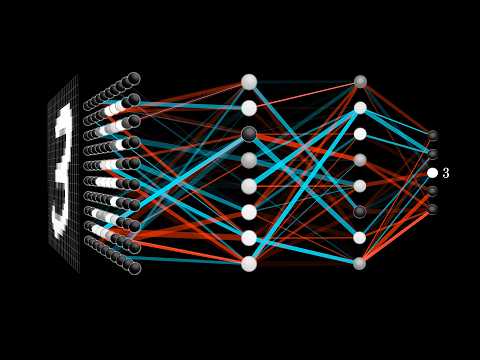
Follow a visual introduction to neurons, layers, and weights through the problem of recognizing handwritten digits.
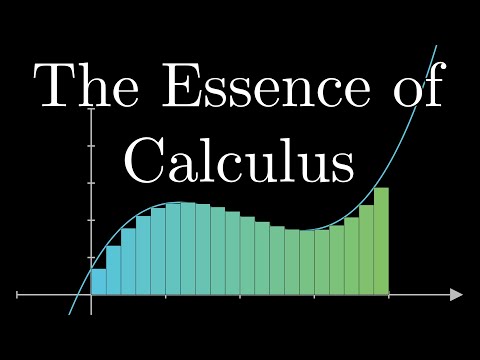
Watch area, small changes, and accumulation reveal the central idea behind calculus.
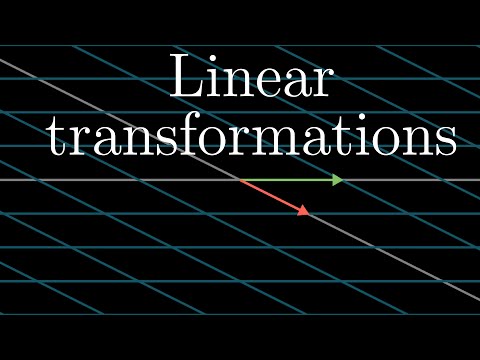
See matrices move a grid, and understand linear transformations as changes to space.
A longer olympiad-problem walk-through from 3Blue1Brown.
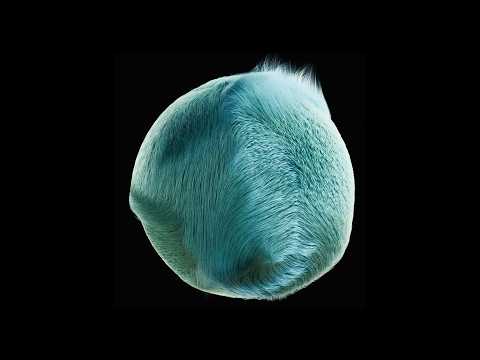
Why you can never comb a hairy ball flat, and where the theorem shows up.
The next video in the Laplace Transform sequence, applied to driven oscillators.
Rediscover Shannon entropy from scratch.
How cross-entropy connects compression to training language models.
Visual explanations that make mathematical ideas click.
An album by C418. Listen on the artist’s Bandcamp.

Album listed on the artist's Bandcamp music page.



Album listed on the artist's Bandcamp music page.
Album listed on the artist's Bandcamp music page.

Remix track credited jointly to Savlonic and C418 on the artist's Bandcamp music page.
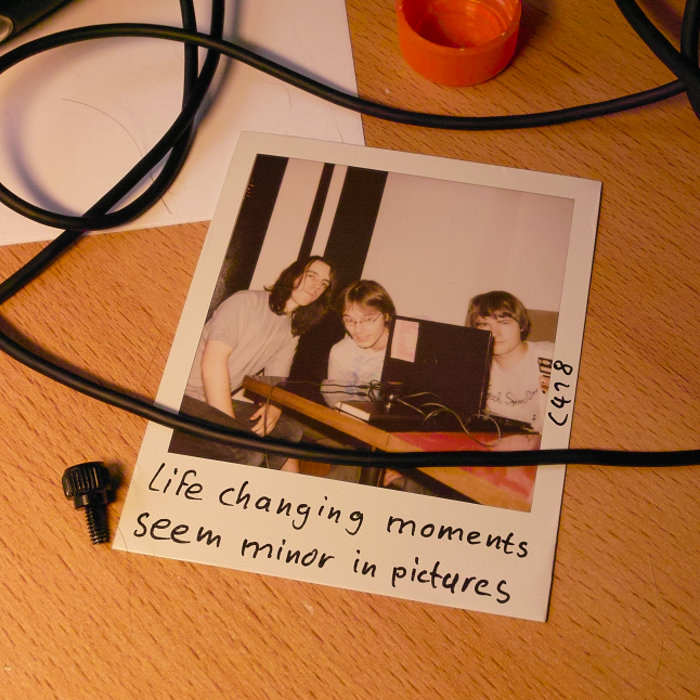
Album listed on the artist's Bandcamp music page.
Learn a pathfinding algorithm by playing with its moving parts.
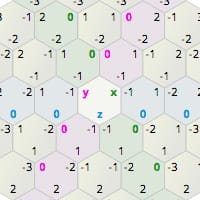
Manipulate hexagons to understand coordinates, neighbors, distances, rotations, and paths on a hexagonal grid.
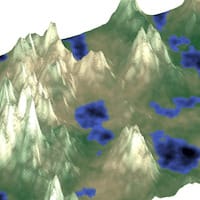
Tune noise layers to turn simple functions into terrain, islands, climate zones, and game worlds.
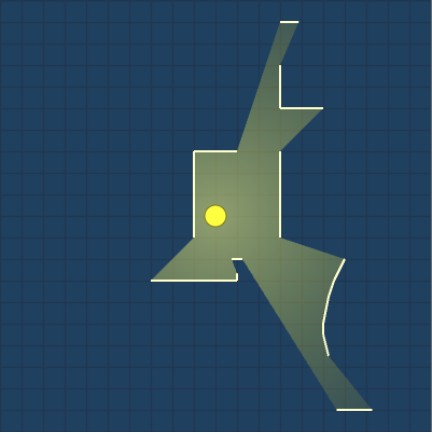
Move a viewpoint around obstacles and inspect an algorithm for calculating visible areas and shadows.

Interactive guide to breadth-first flow fields for moving many units toward a goal.
Interactive explanation of drawing lines on a grid with interpolation.
Draw your own terrain with an interactive map generator.
Interactive explanation of how dice-roll formulas shape damage distributions in games.
Interactive explanation of building curved roads from circular arcs.
A dated design/build note on reorganizing hex-grid coordinate conversions into smaller composable steps, including an interactive pixel-art-size conversion generator and tradeoffs between direct formulas and adaptable explanations.
A build log and interactive experiment assembling A* / Dijkstra flow-field pathfinding with Voronoi/Delaunay graphs and Mapgen4’s editable map generator to animate traders.
Tools: Mapgen4
An interactive tutorial on spring-based animation in JavaScript.
Explanations and hands-on examples of how the web works.
Previews CSS features that browser vendors are considering through the Interop project for Interop 2027.

A tutorial on CSS anchor positioning for attaching elements such as tooltips and nested menus.
Compares the performance of several animation strategies, including JavaScript animation libraries and CSS transitions and keyframes.
Explores the animation-timeline API for scroll-linked animation without JavaScript.

Applies the squash and stretch animation principle to SVG micro-interactions.

Breaks down a header effect on the author's blog and how to reproduce it with CSS.
Uses spritesheets for web animation with a niche CSS function and explores possible use cases.
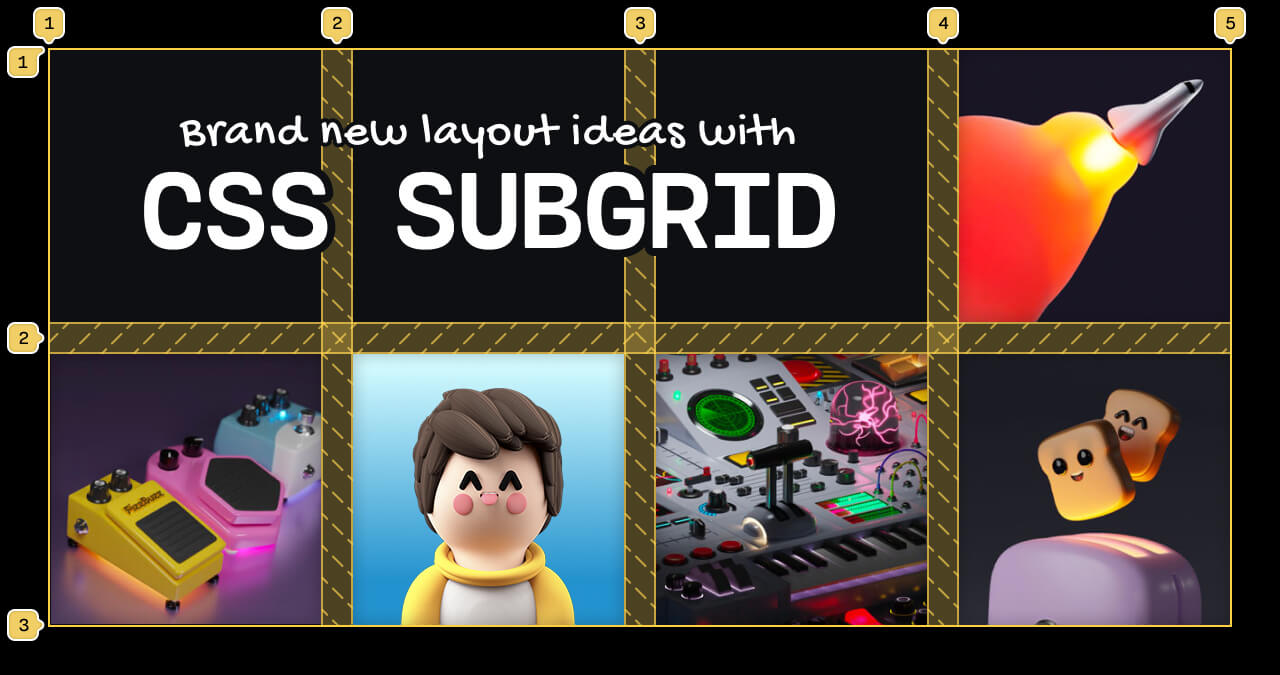
Explains CSS subgrid, which lets nested elements participate in a parent grid layout.

Shows physics-based motion in plain CSS with the linear() timing function, including its limitations.

Examines @starting-style for CSS transitions on enter animations and weighs its trade-offs.

Covers browser limitations when animating colors, with workarounds for a background that cycles through a rainbow.

An interactive walkthrough of the SVG path element and its compact syntax.
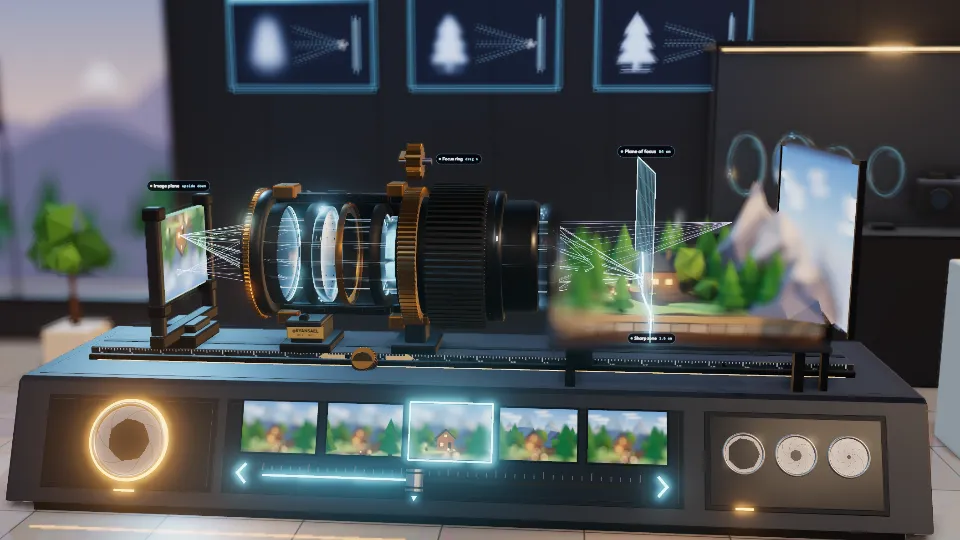
Turn a lens's focus ring and aperture to see where an image becomes sharp.
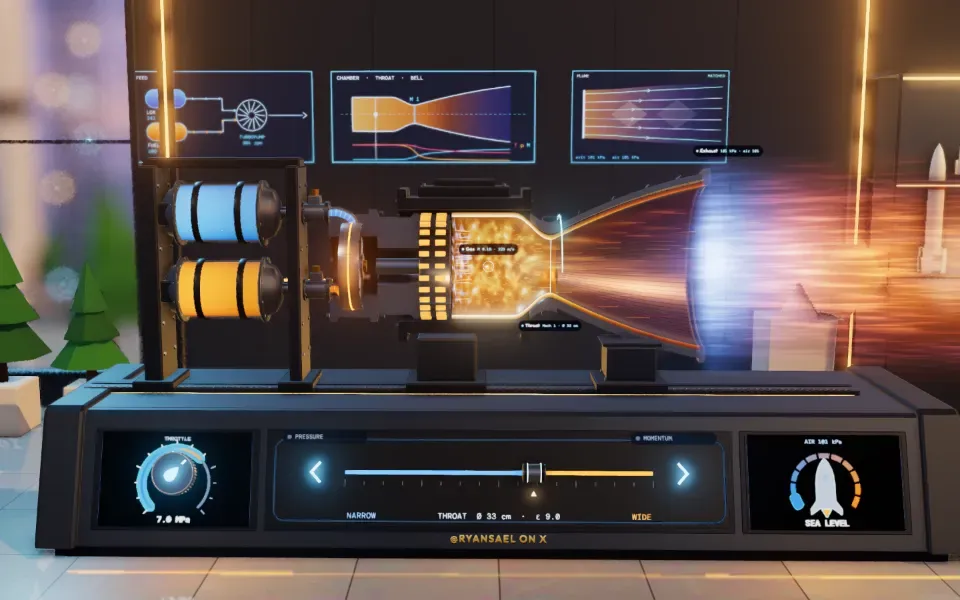
Change a rocket nozzle's throat, throttle, and surroundings to investigate how hot gas creates thrust.
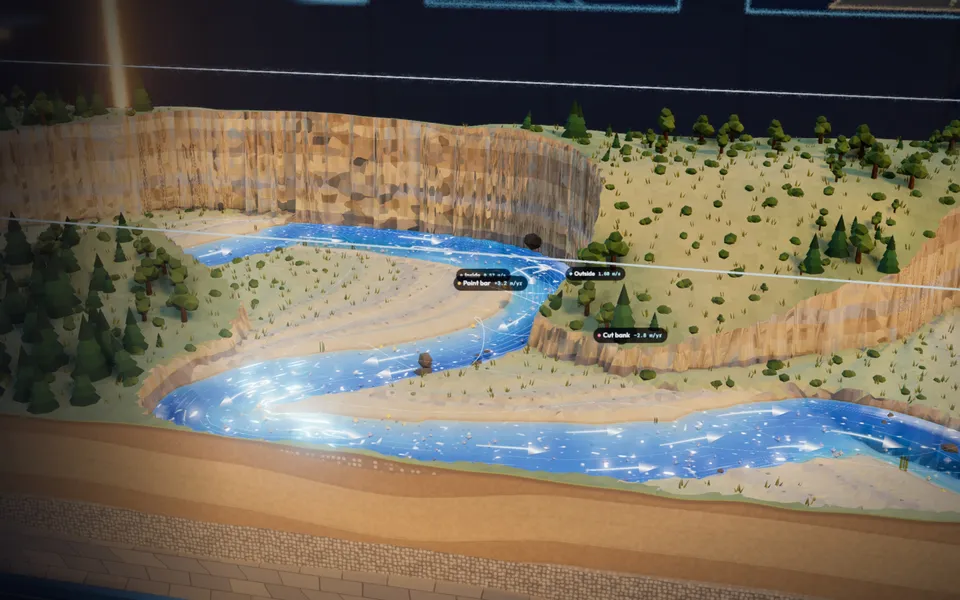
Adjust water flow and sediment, then move through time as a river reshapes its valley.
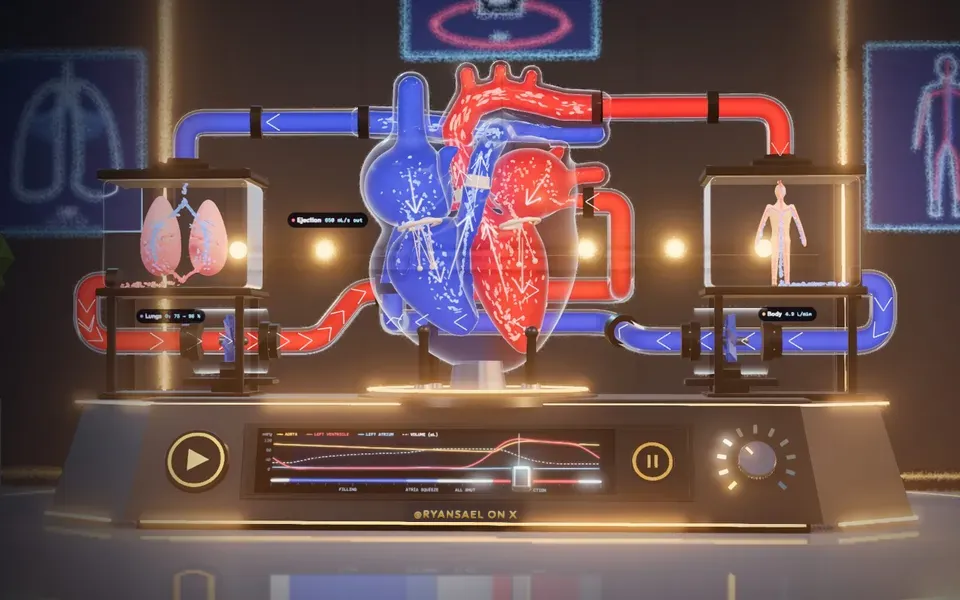
Step through a heartbeat and change valve behavior to follow blood through two connected circuits.
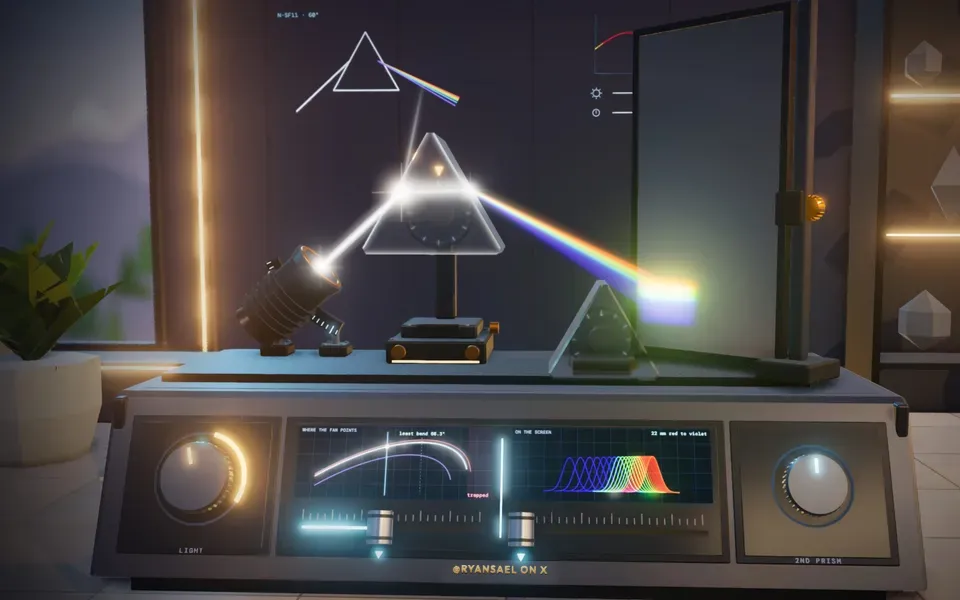
Rotate a prism and aim its light beam to split, bend, and recombine a spectrum.
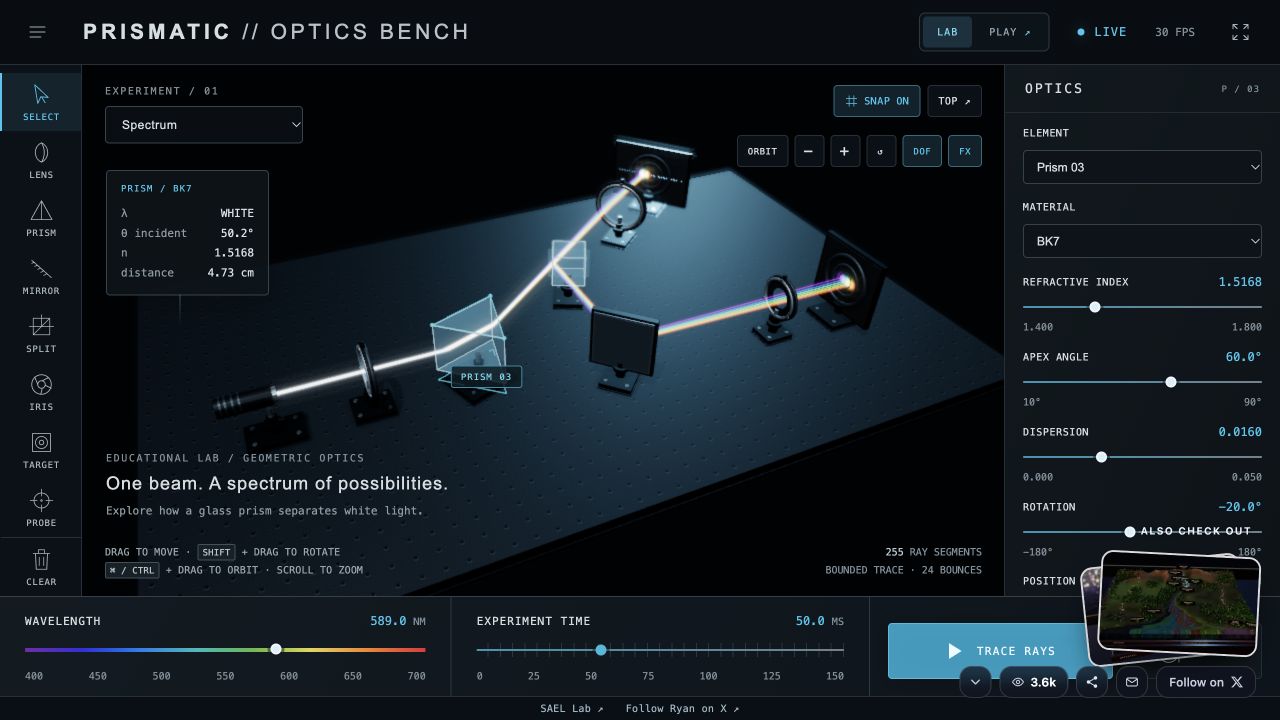
Adjust dispersion to separate white light into colored paths, then replay the rays through prisms and lenses. On phones, open Optics for the full diagram.
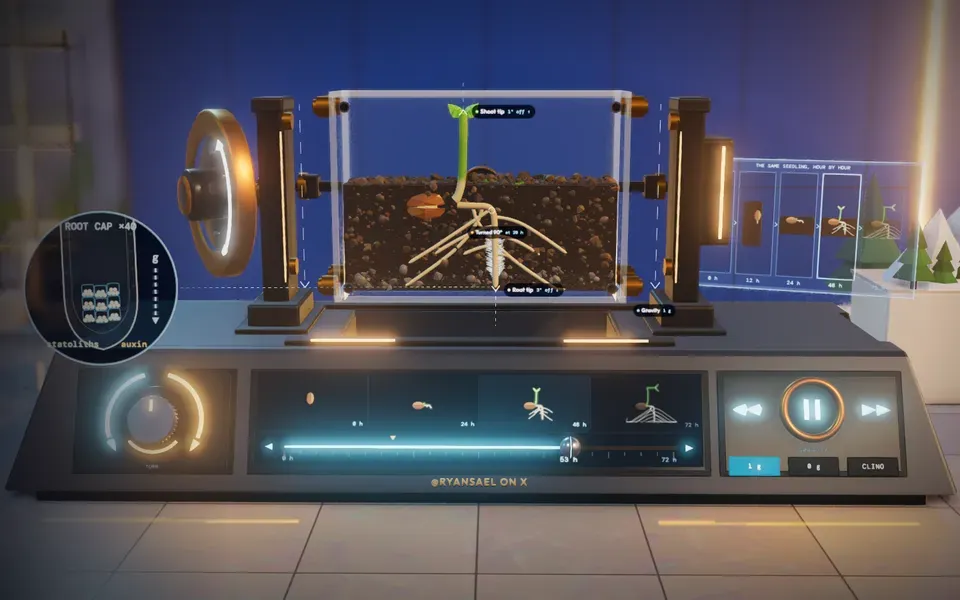
Rotate a growing seed and change gravity to explore why roots and shoots choose different directions.
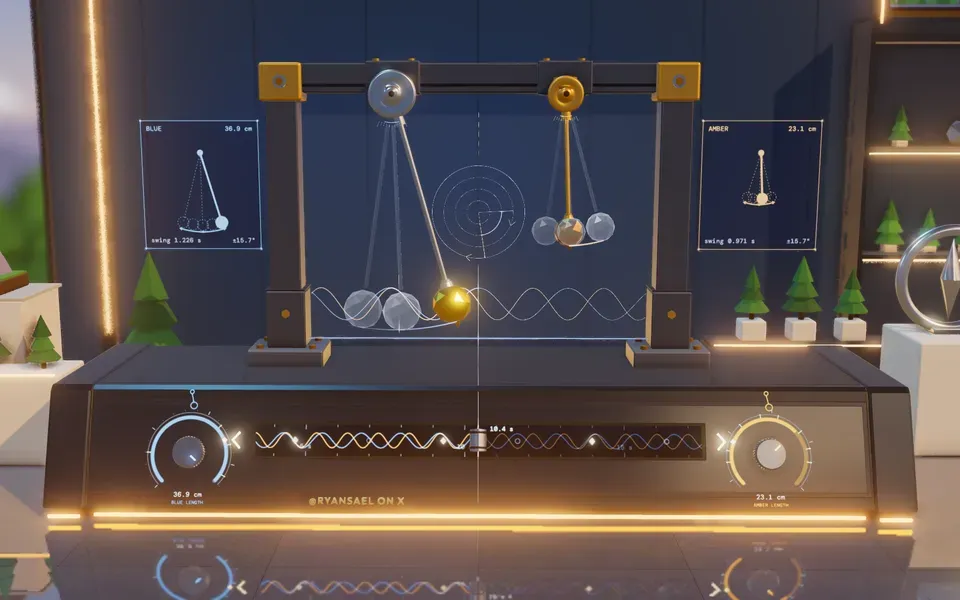
Change pendulum lengths, add a push, and discover when their rhythms fall into step.
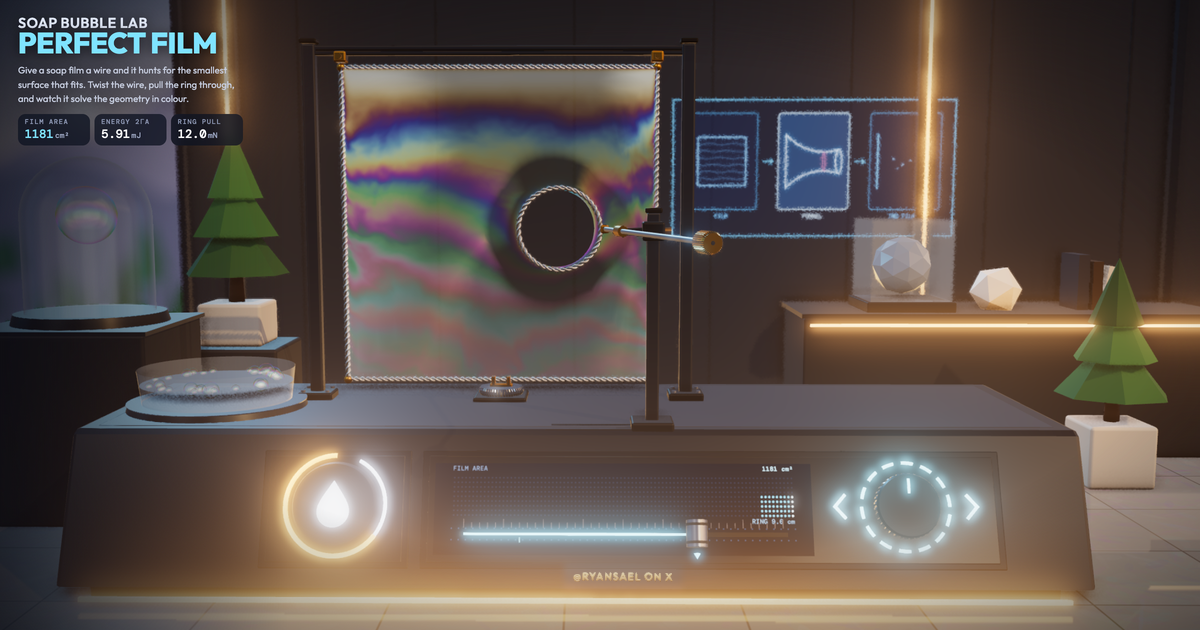
Shape soap films on wire frames and watch them find the smallest surface.
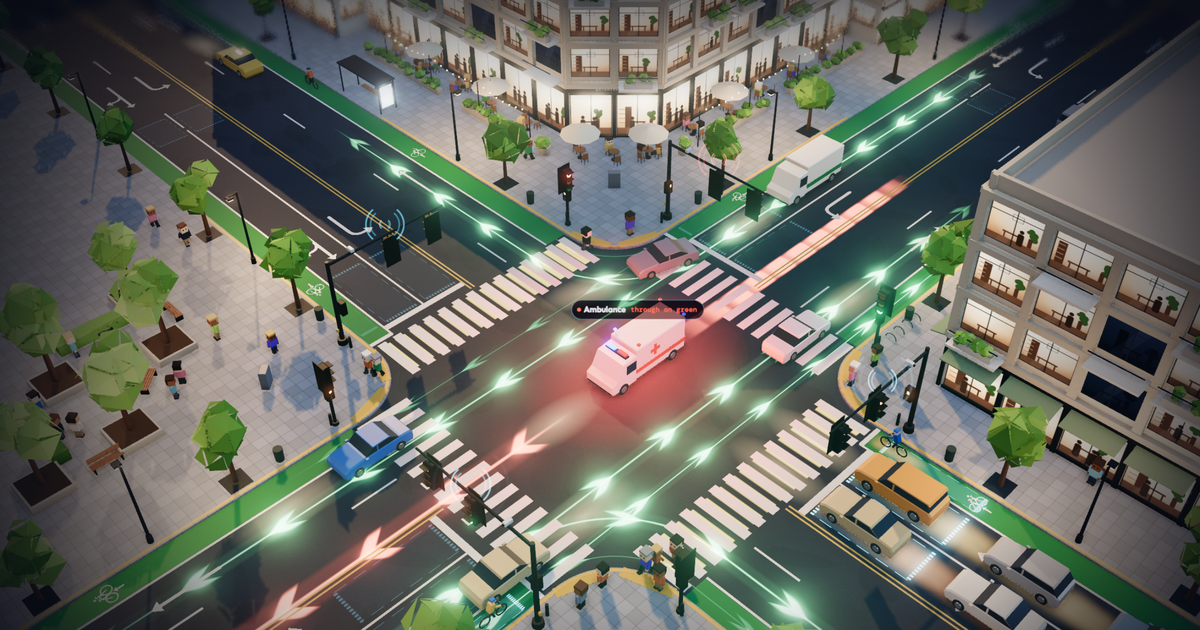
Run a live simulation of one city intersection and compare adaptive traffic-signal strategies.
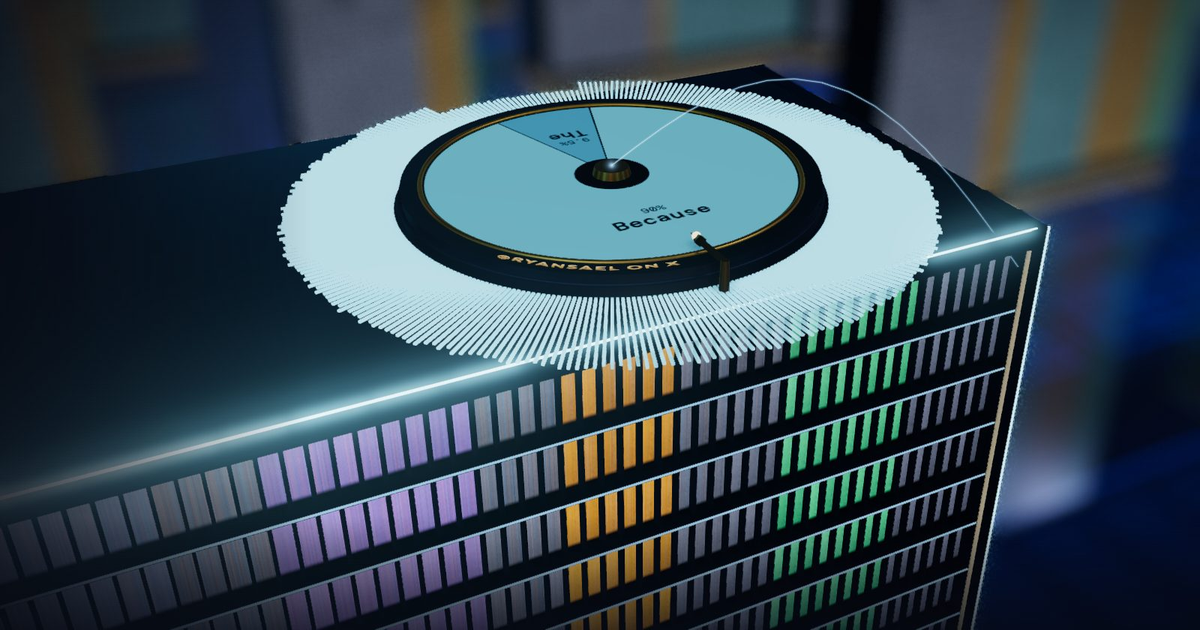
Follow one real question through an AI model: hidden instructions, tokens, and generation in half a second.
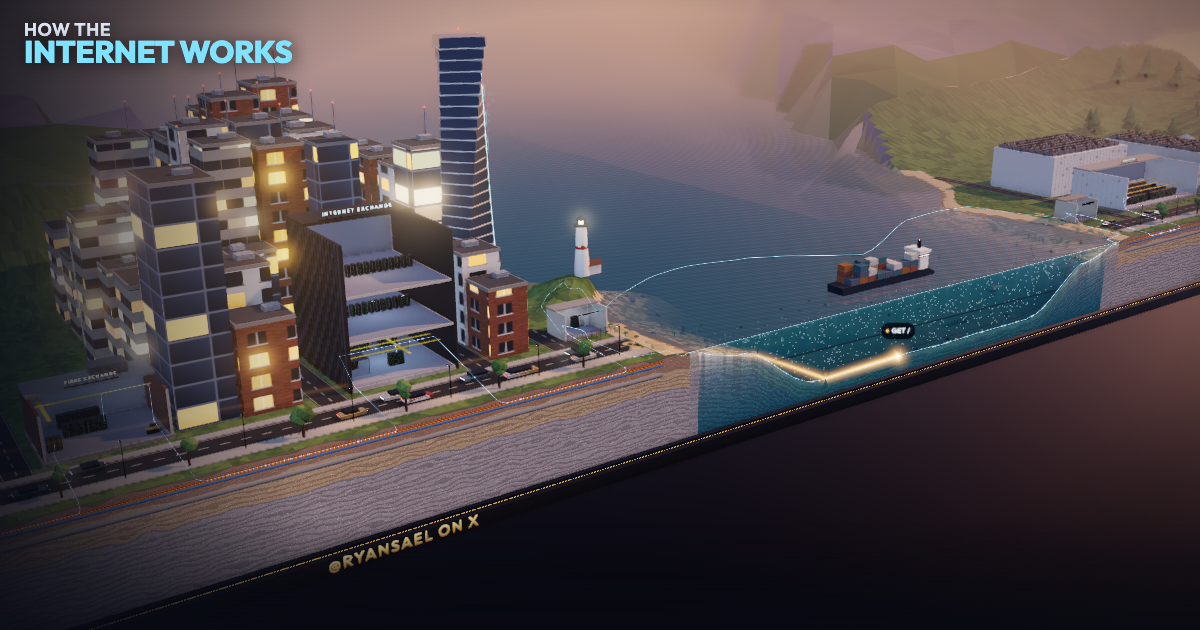
Ride one click through a miniature world of DNS, handshakes, packets and Wi-Fi.
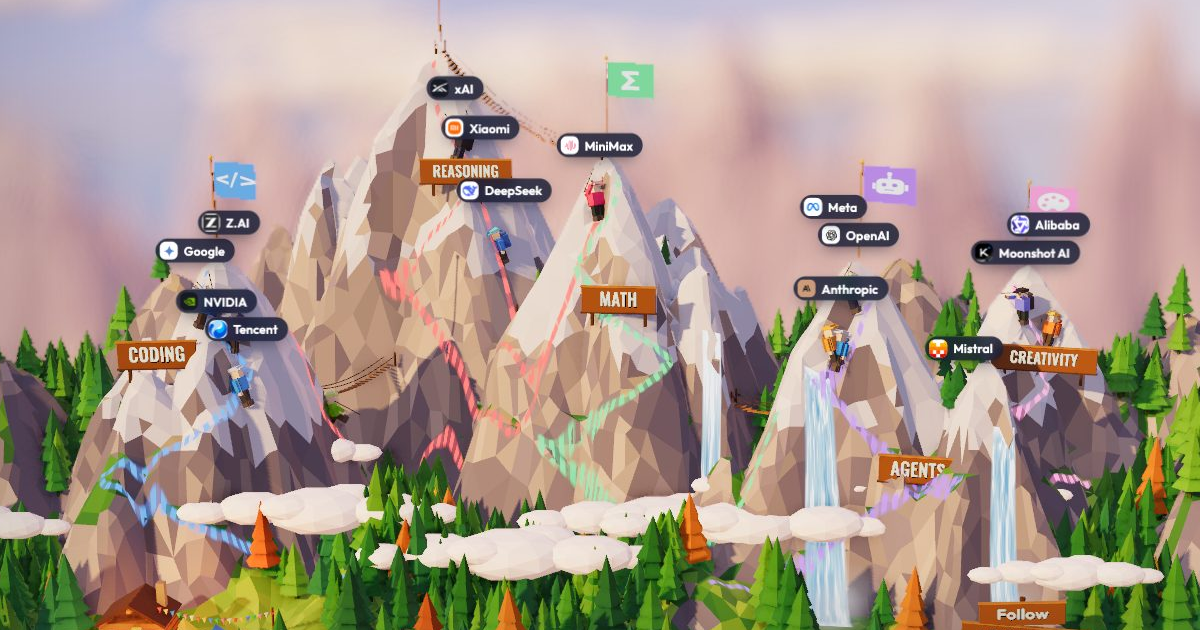
Watch fourteen AI labs climb five benchmark peaks in a 3D landscape of model scores.
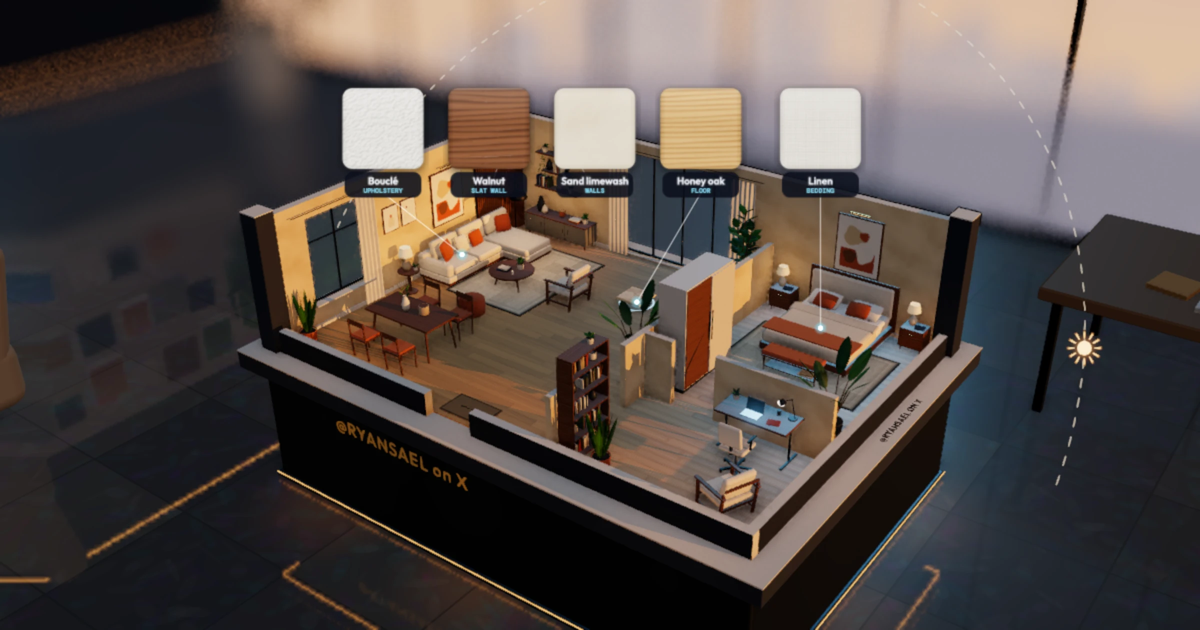
Drop wood, stone, fabric, paint, furniture and sunlight onto a moodboard and watch the room assemble.
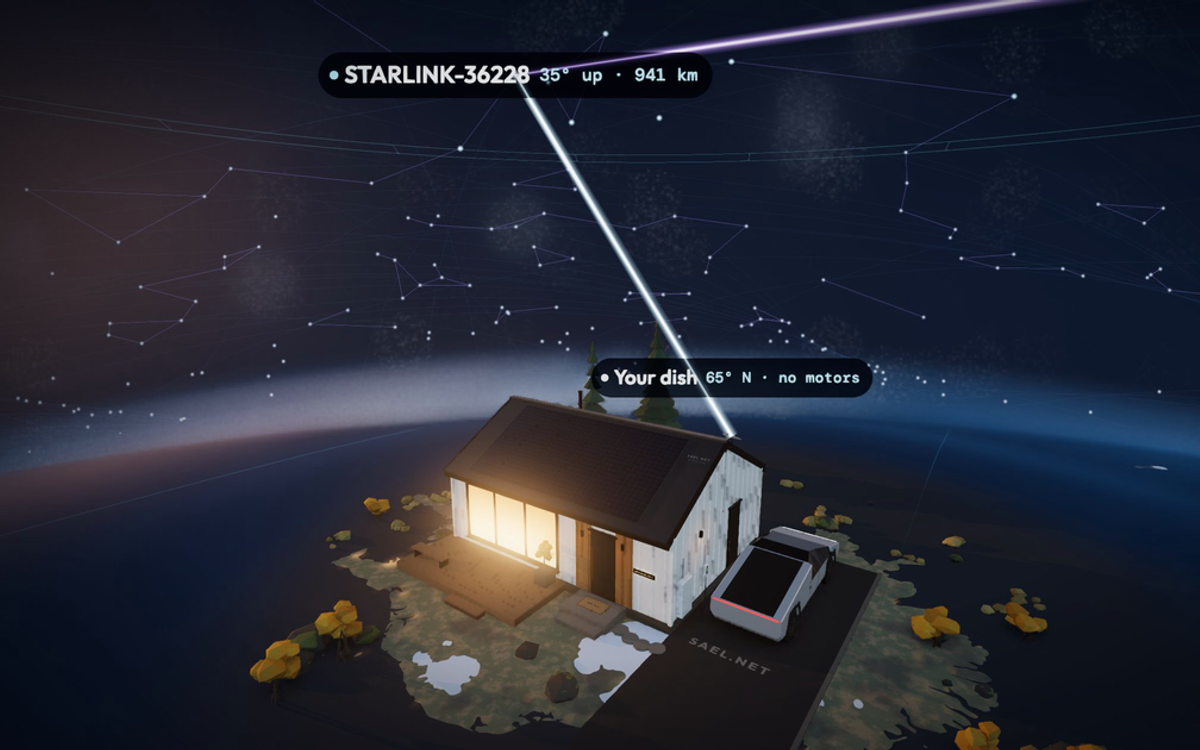
Explore how a Starlink dish hands its connection from low-orbit satellites to laser relays, and compare the distance and latency of a geostationary link.
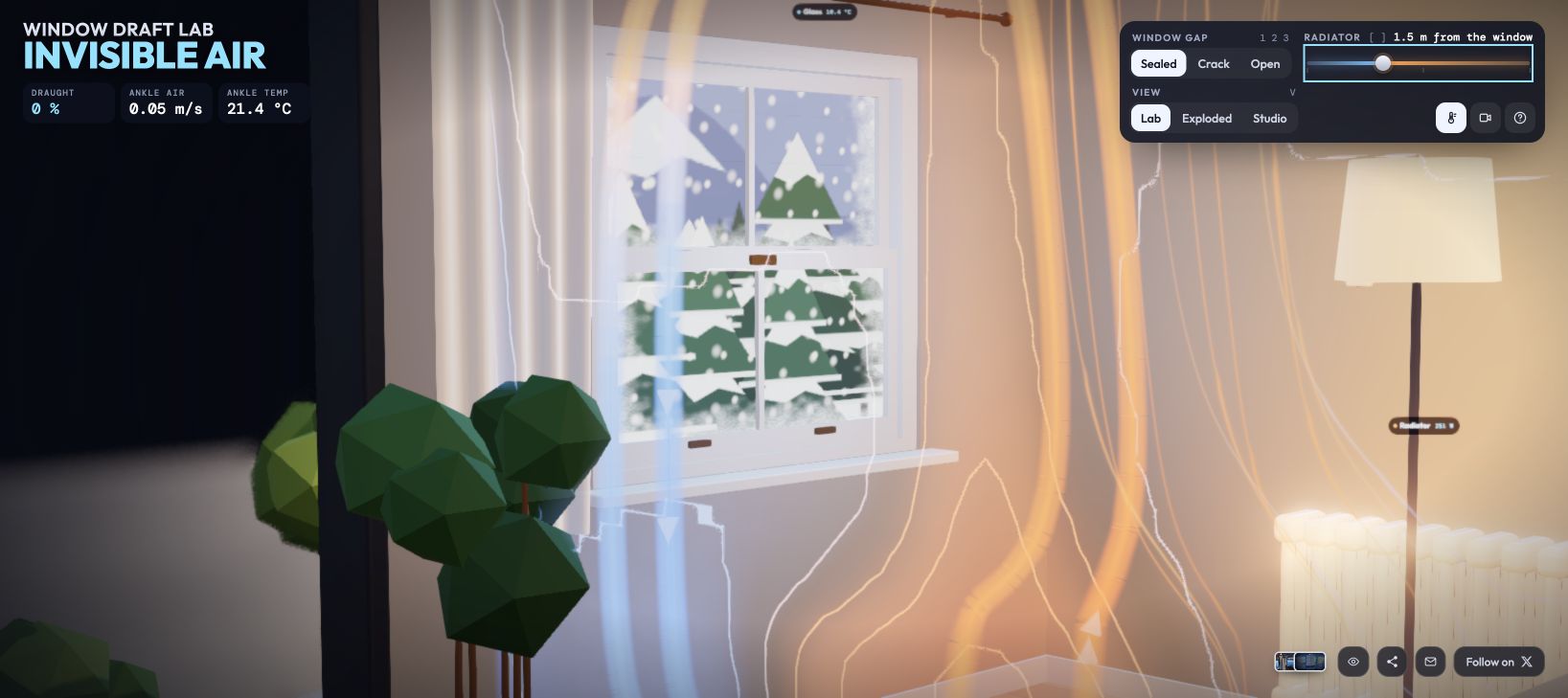
Open or seal a window and move the radiator to follow warm and cold air currents in a 2D room-airflow simulation. Designed for a larger screen.
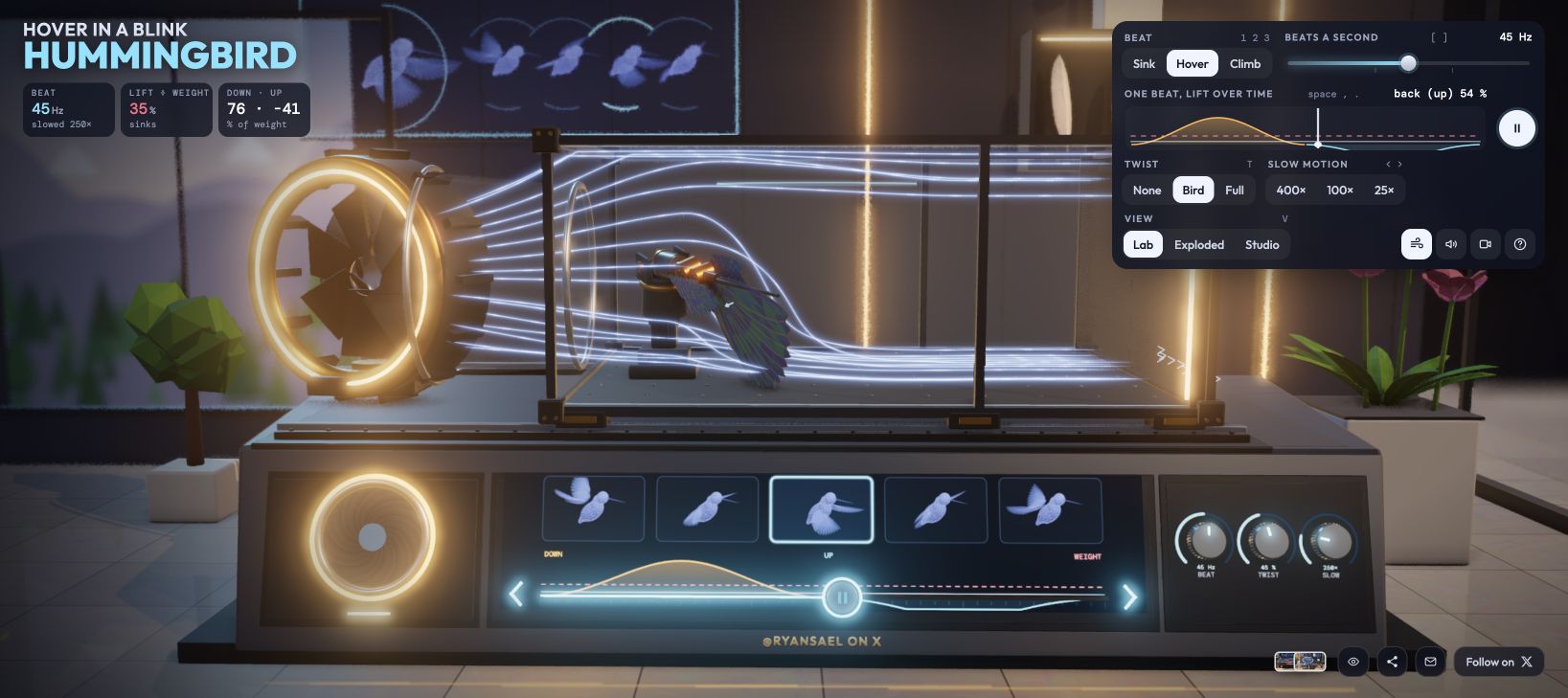
Change wing twist and beat rate to see how an idealized hummingbird wing generates lift. Flow is schematic; use a larger screen for the full control layout.
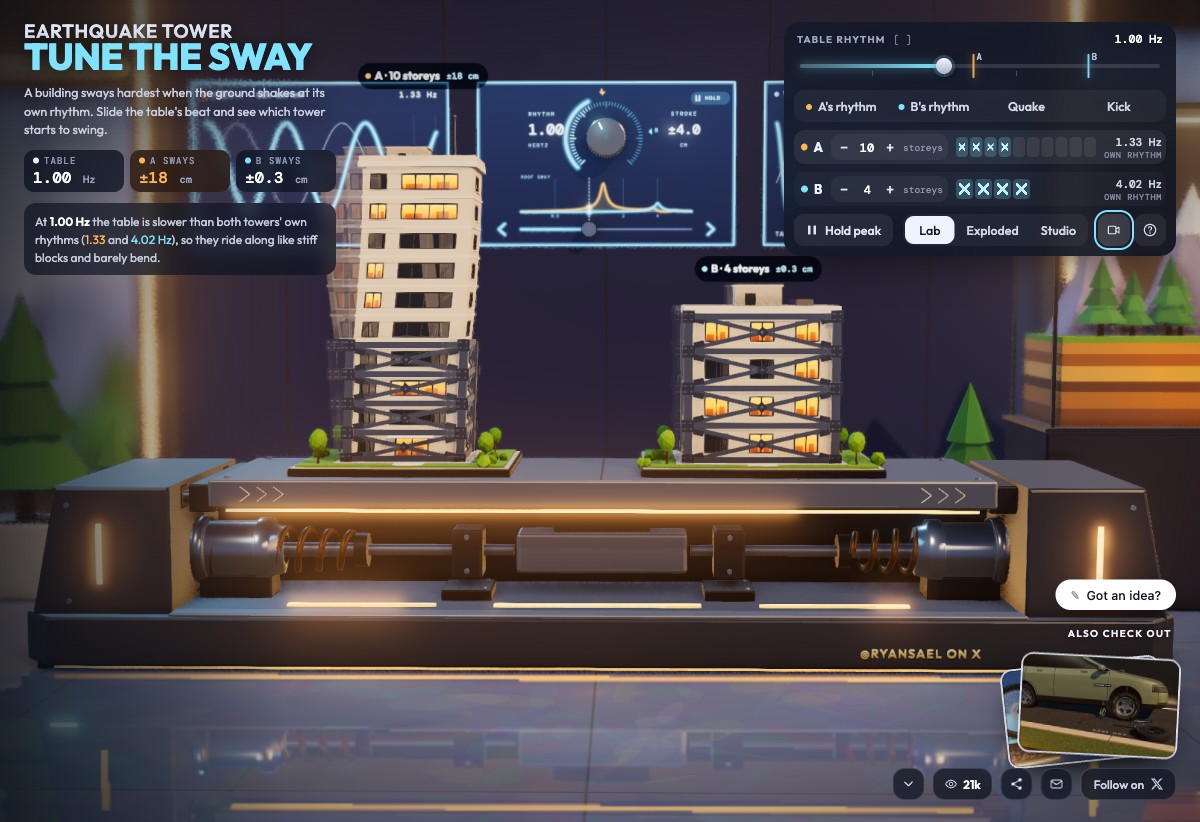
Change shake-table frequency, tower height and bracing to compare resonance in simplified elastic buildings.
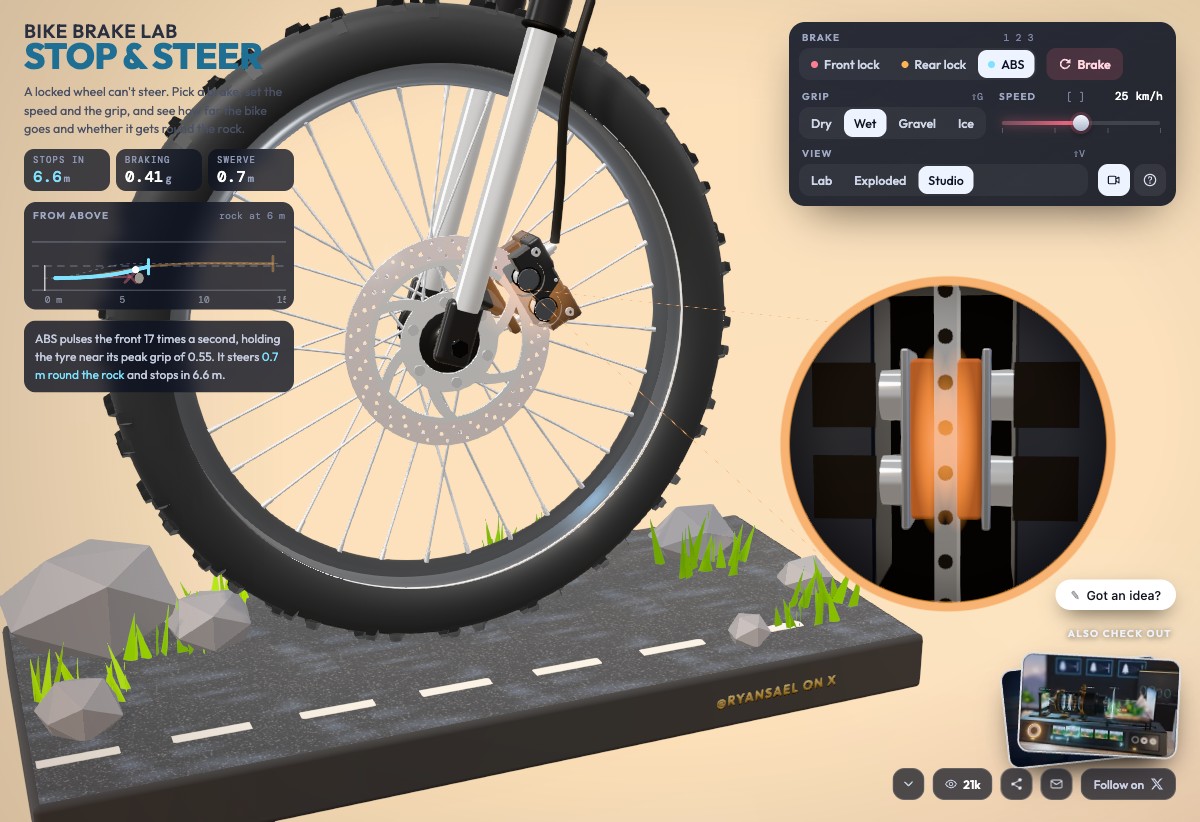
Compare front lock, rear lock and ABS while changing speed and road grip in a simplified braking model.
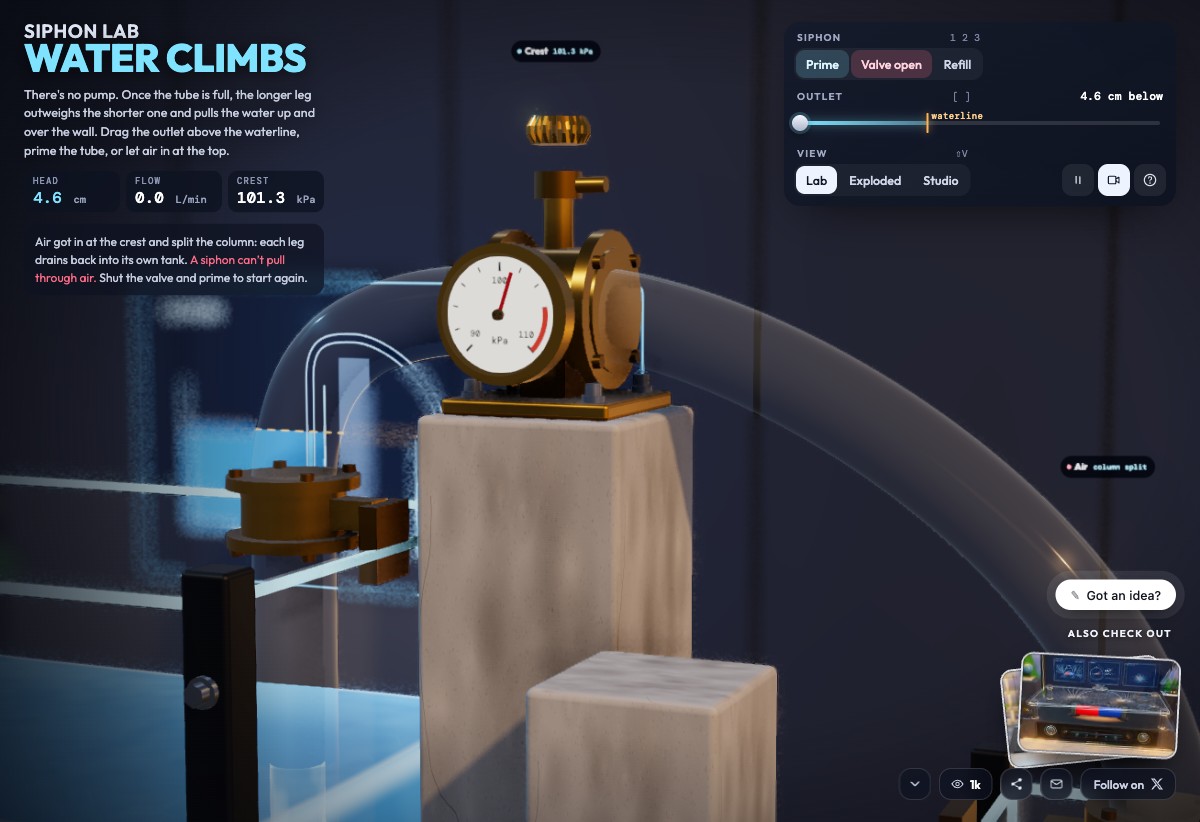
Raise the outlet, prime the tube or admit air to explore flow and pressure in a siphon model.
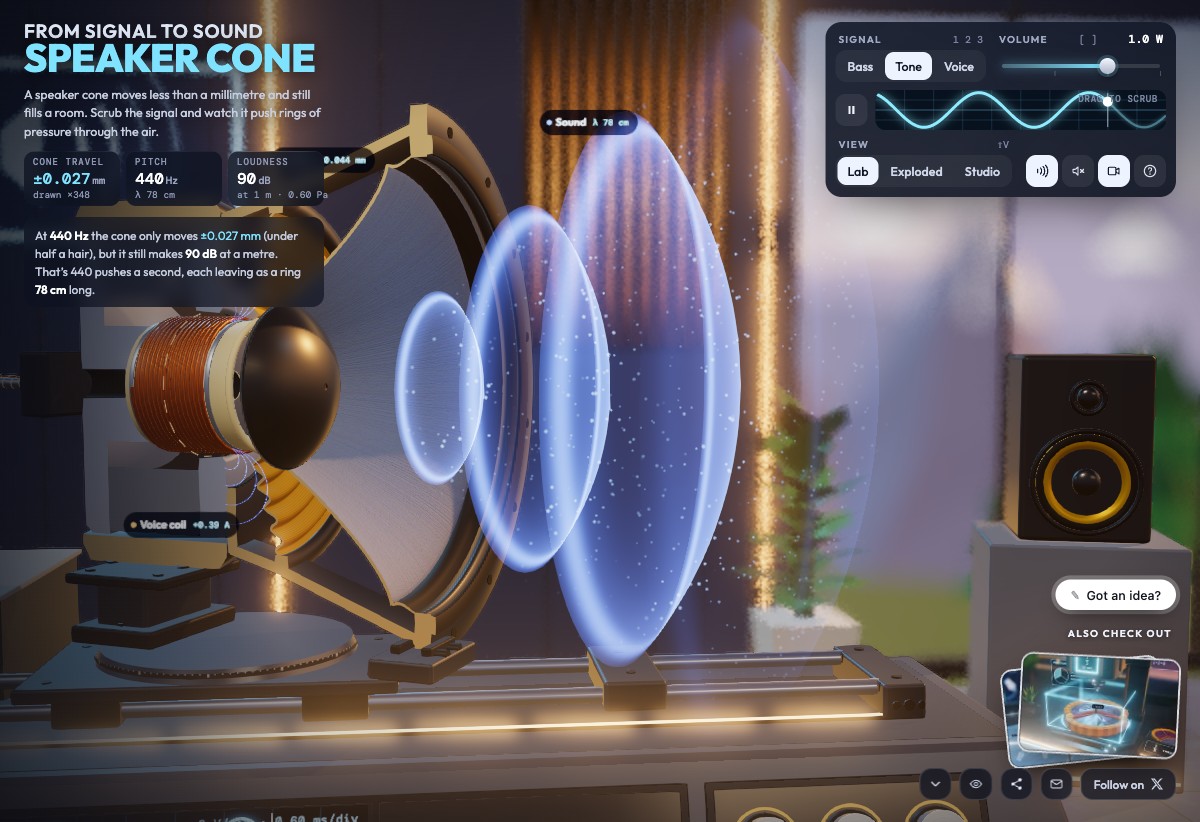
Scrub a waveform and change the signal and power to connect a speaker cone’s motion with pressure waves.
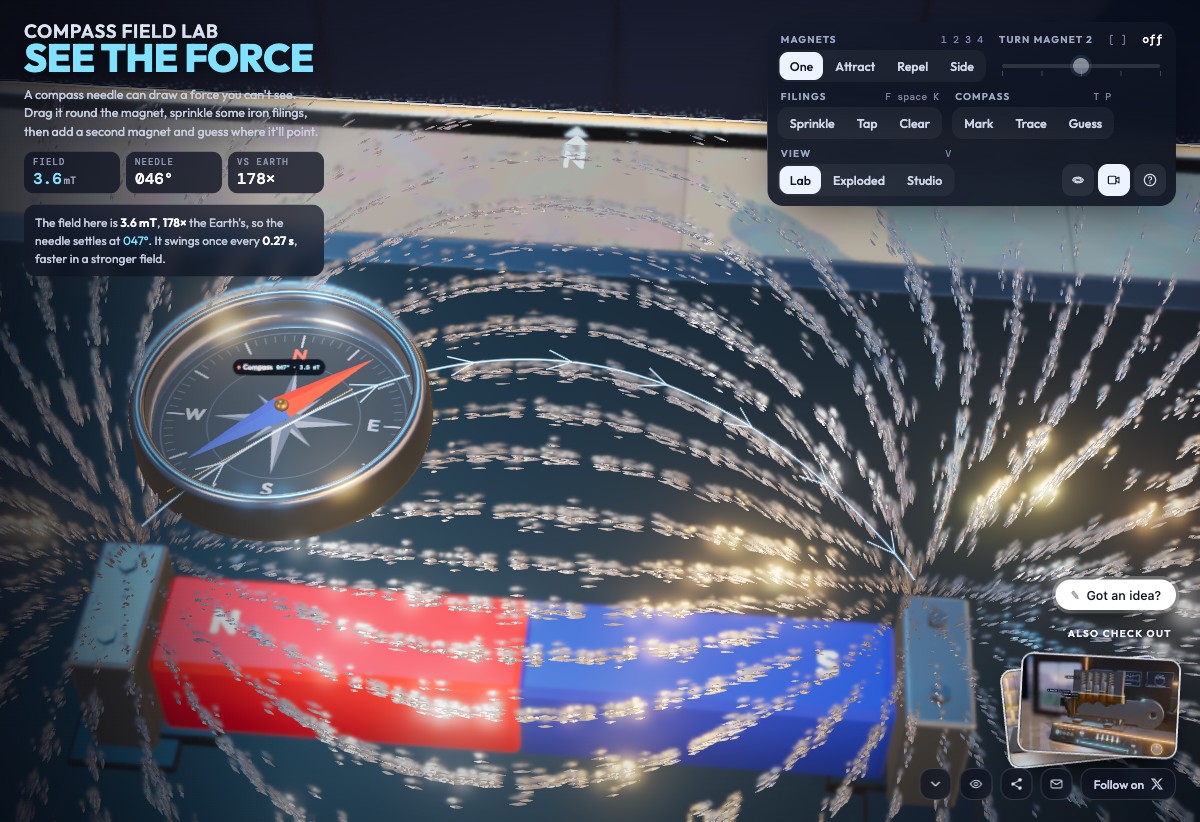
Move a compass and arrange magnets to compare field direction, field lines and iron-filing patterns.
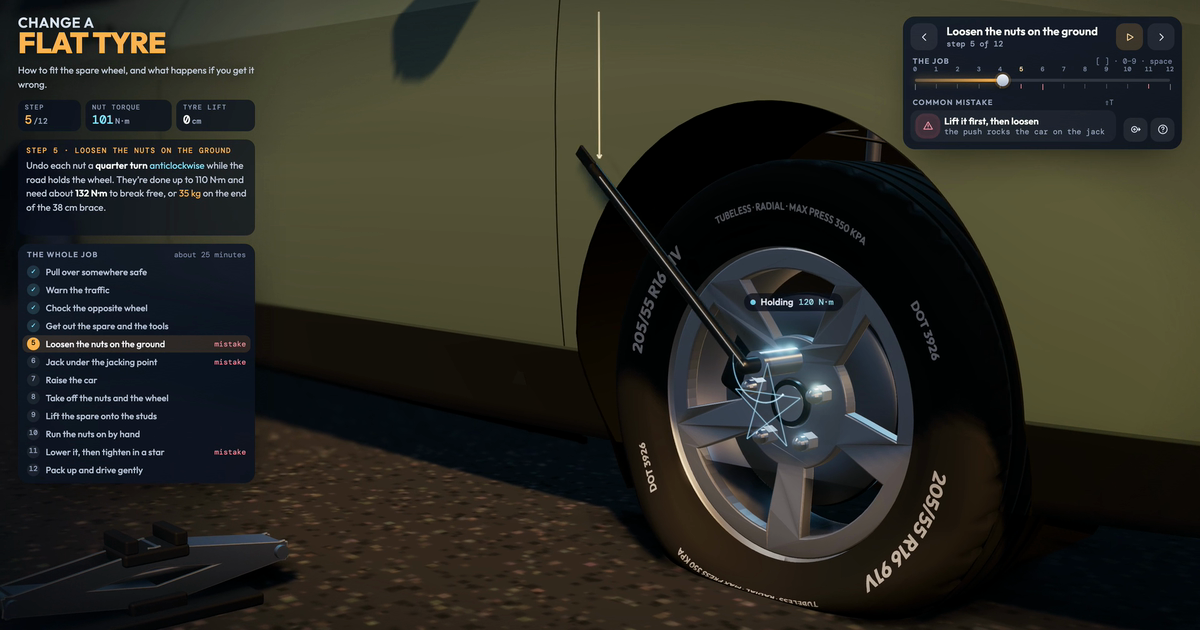
Step through fitting a spare wheel, place the jack, and compare correct tightening with common mistakes.
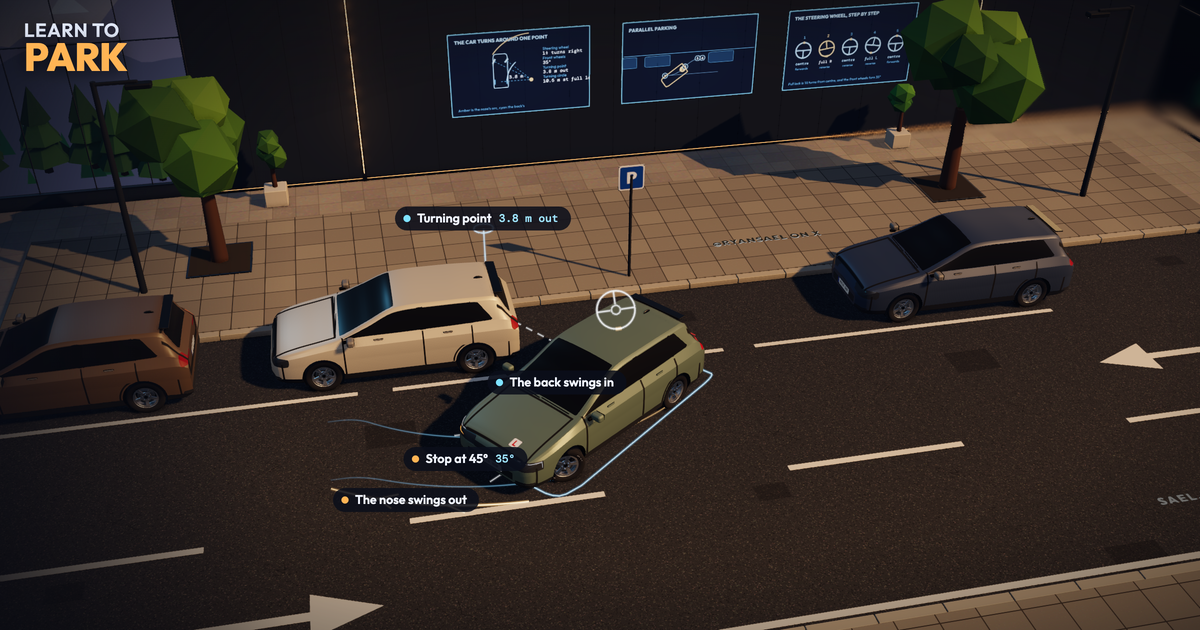
Interactive parallel-parking practice for a typical hatchback, with five guided steps, multiple views, and practice mode. Its kinematic model omits tyre slip, and reference points vary by car and car park. Treat them as starting points.
Tools: Opus 5.5, Three.js
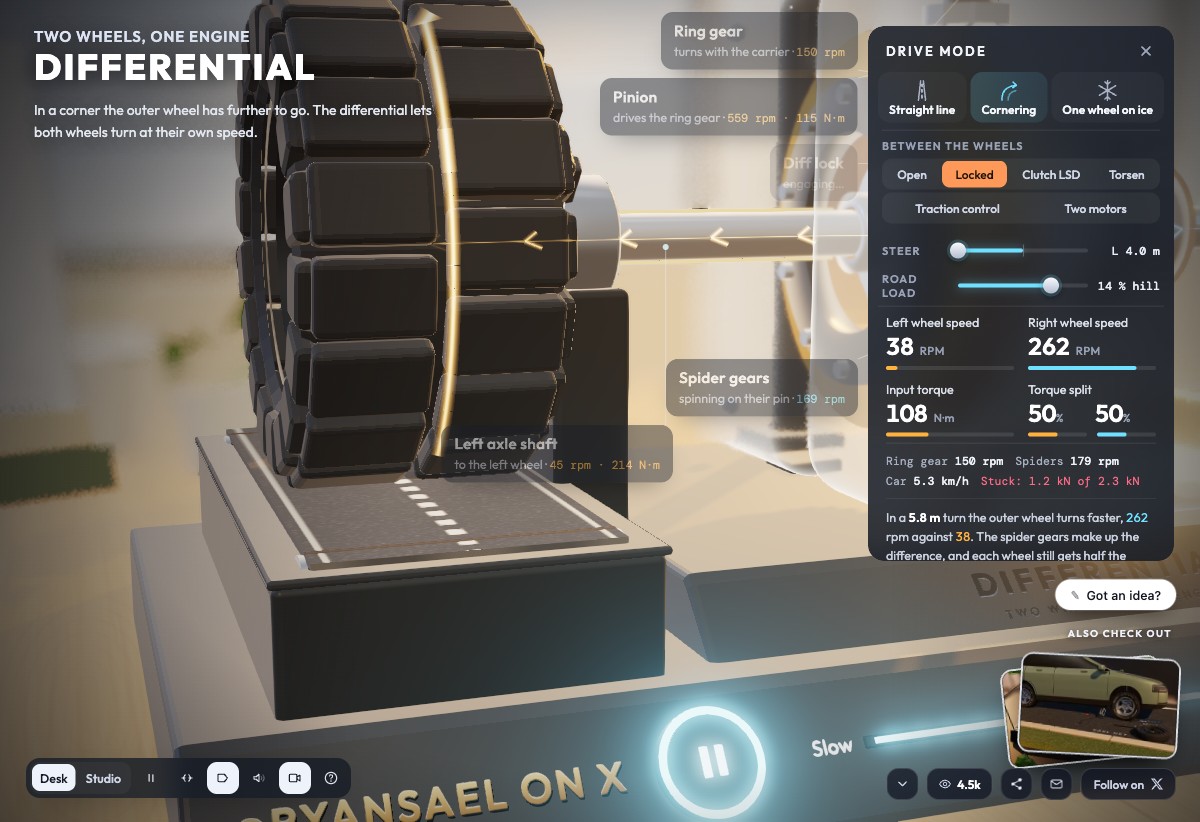
Explore an idealized differential model across straight-line, cornering, one-wheel-on-ice, and several differential and traction-control modes. Modern-option rules are simplified and cornering forces are not simulated.
Tools: Opus 5.5, Three.js
A 3D step-by-step visualization for assembling an IKEA BILLY bookcase; the page links the source IKEA instructions and discloses it is an independent project.
An interactive visualization exploring the Tesla Roadster thruster concept; the page separates the company’s disclosed concept from the creator’s own hypothetical fan-hover interpretation.
A live map view based on OpenStreetMap replication changes; distinguish the data feed’s update cadence from project creation date.
Tools: OpenStreetMap
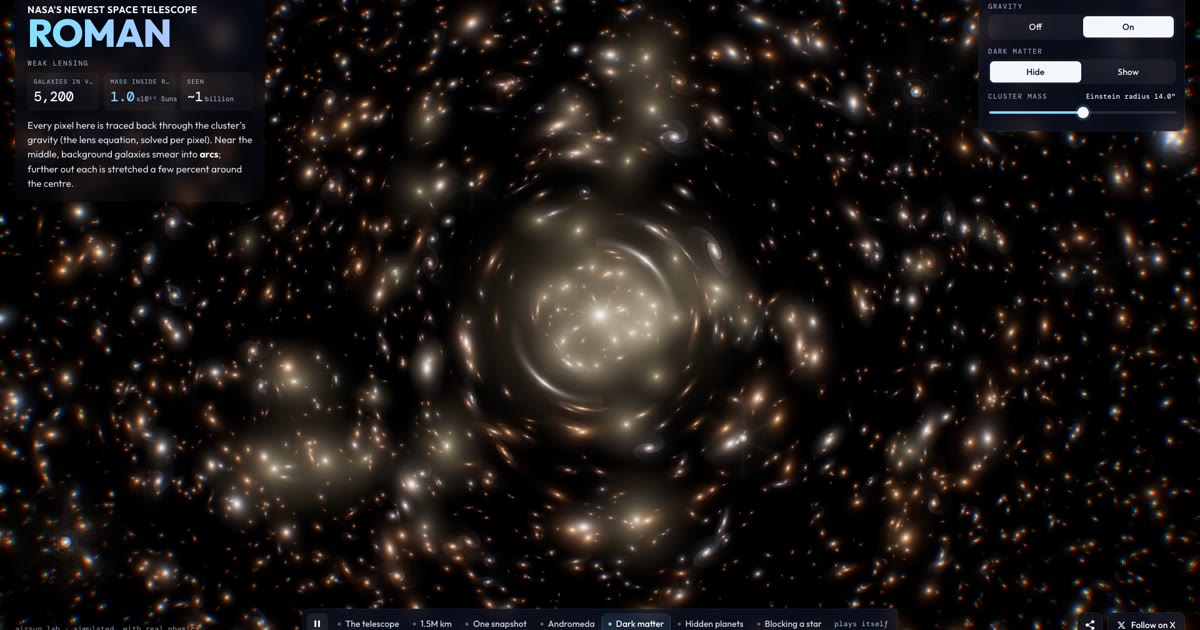
Explore Roman's journey to L2, gravitational lensing, planet detection, and its starlight-blocking coronagraph.
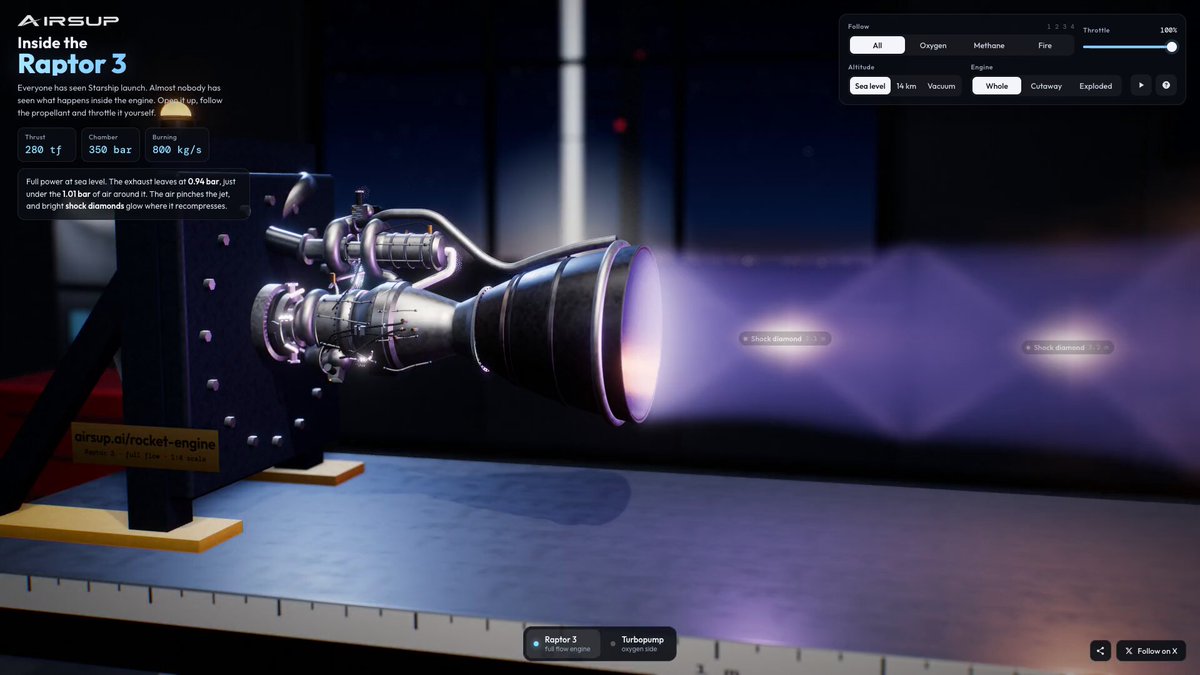
Take apart a 3D rocket engine, follow oxygen and methane through the turbopumps, and adjust its throttle.
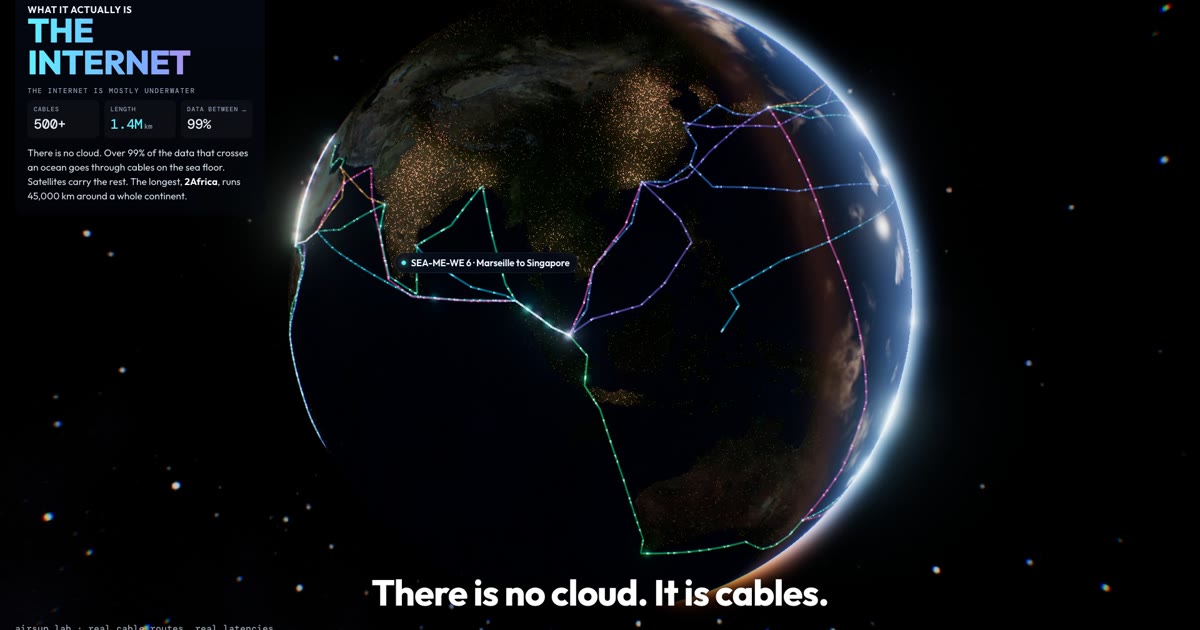
Follow a packet beneath the ocean, explore real submarine cable routes and network maps, and see how a cable cut changes the path.
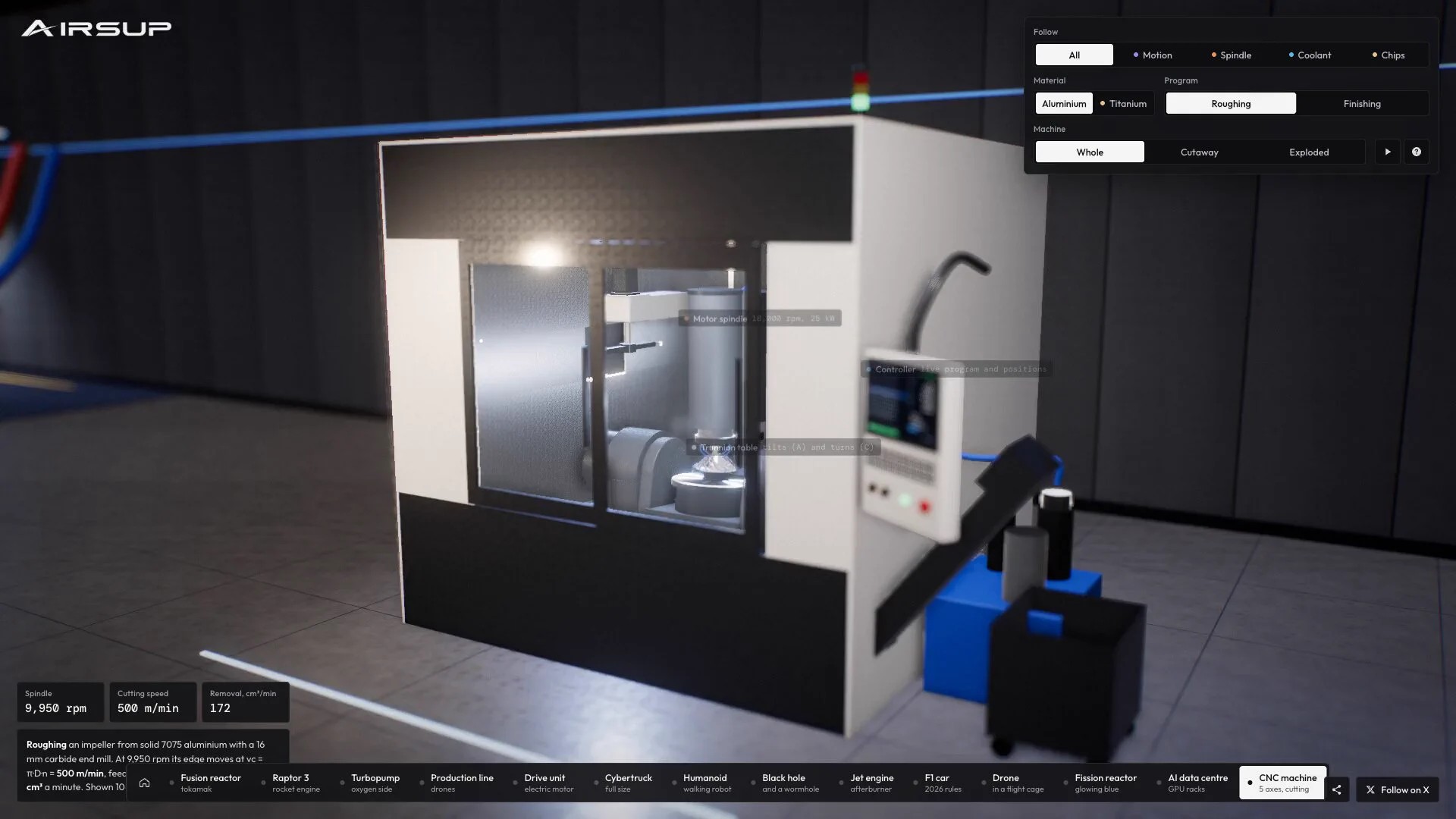
Watch how a five-axis machine cuts an aluminium impeller, and see how the spindle, tilting table, coolant and chips work together.
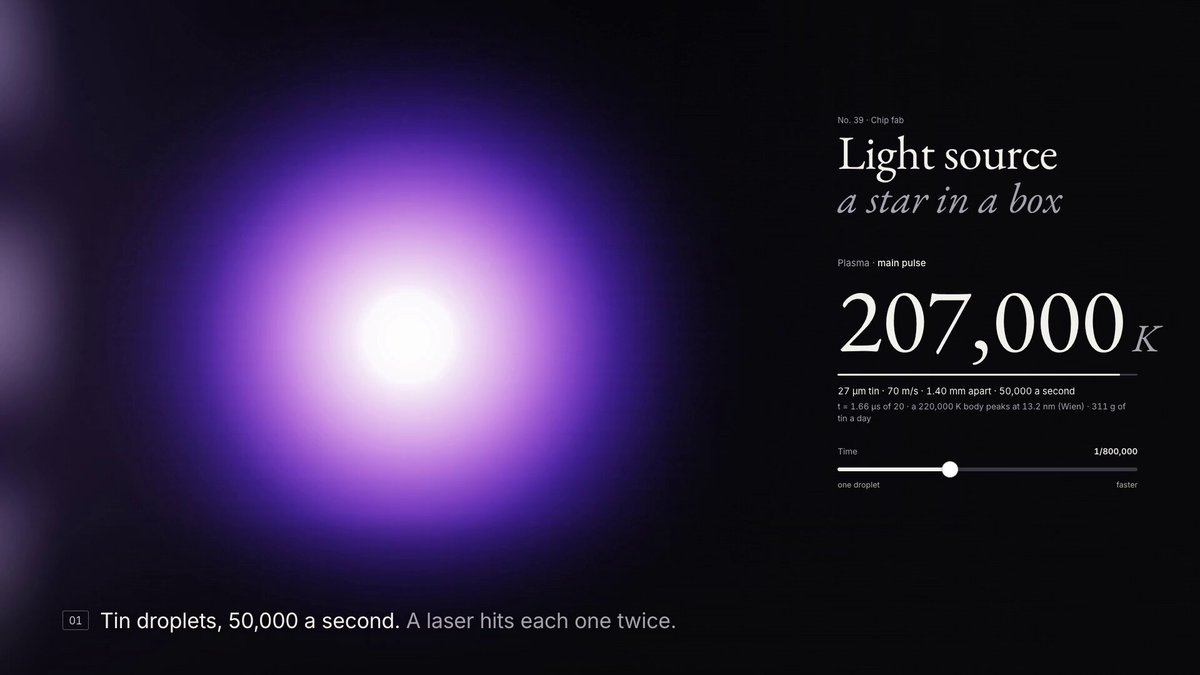
Follow tin droplets, laser pulses and mirrors to see how extreme-ultraviolet light reaches a silicon wafer in a browser-built teaching model. Use the creator’s website link to try the interactive model (larger screen recommended).
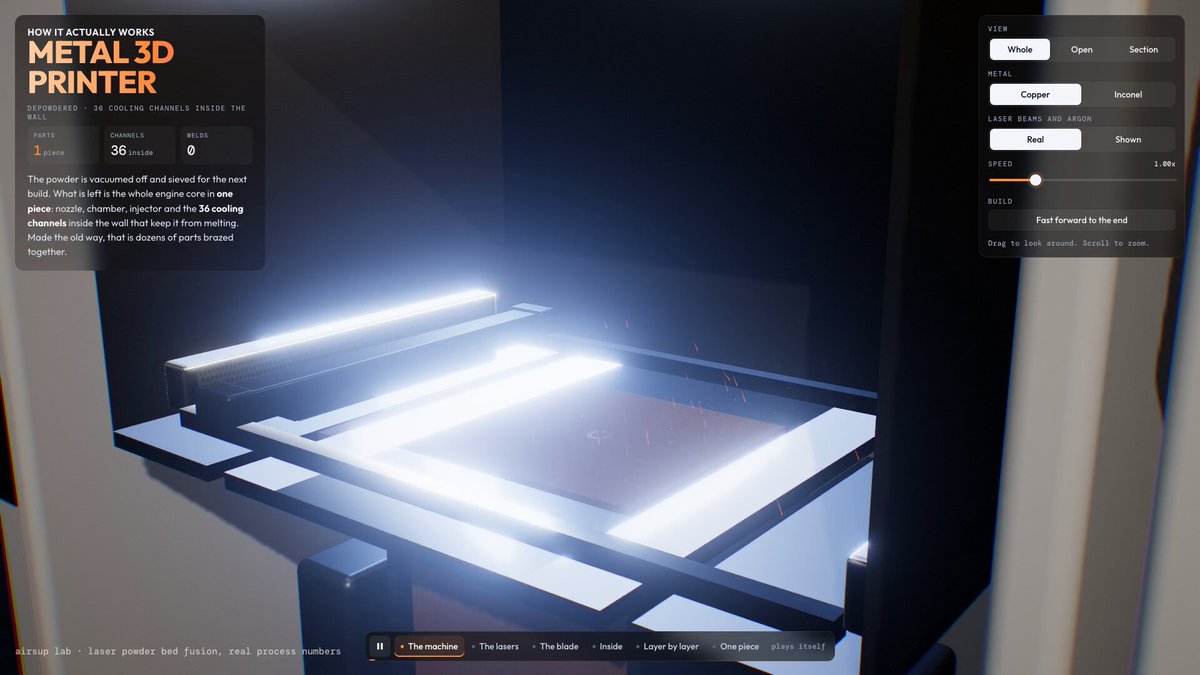
Watch a powder layer spread, lasers fuse a rocket-engine cross section, and internal cooling channels emerge in a simulated metal 3D printer. Use the creator’s website link to try the interactive model (larger screen recommended).
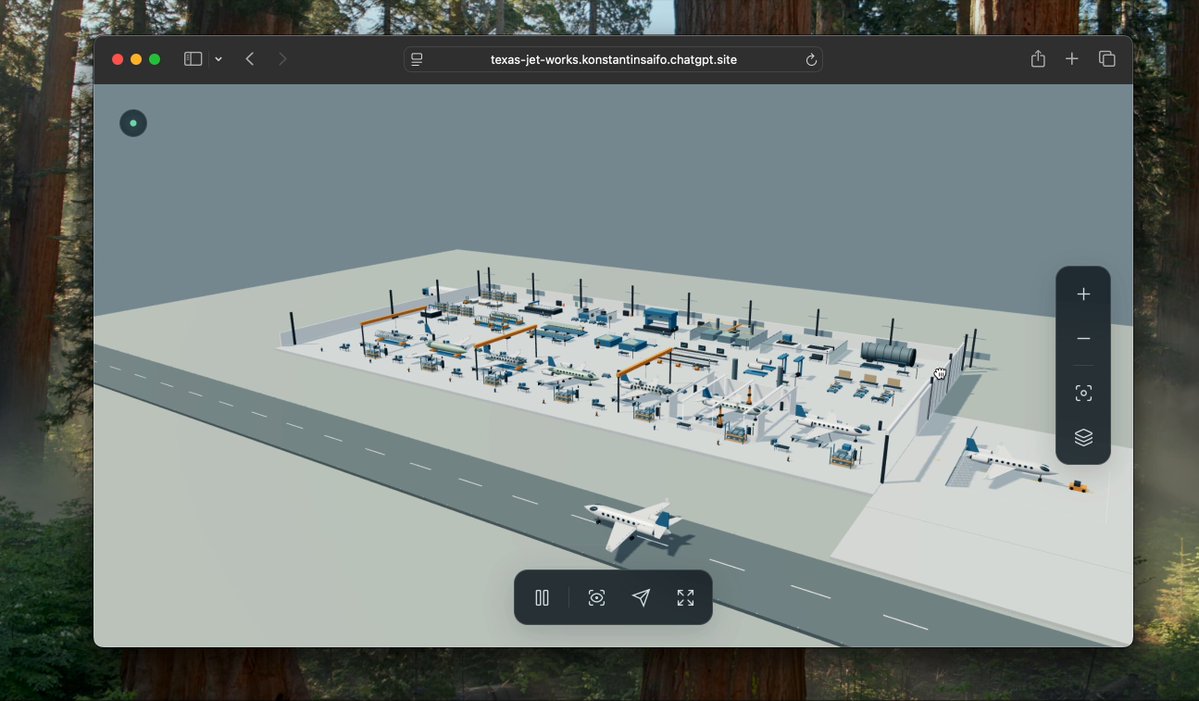
Explore a simulated aircraft production line and follow how parts and work move through a factory. This is a browser-built teaching model, not a real factory tour. Use the creator’s website link to try the interactive model (larger screen recommended).
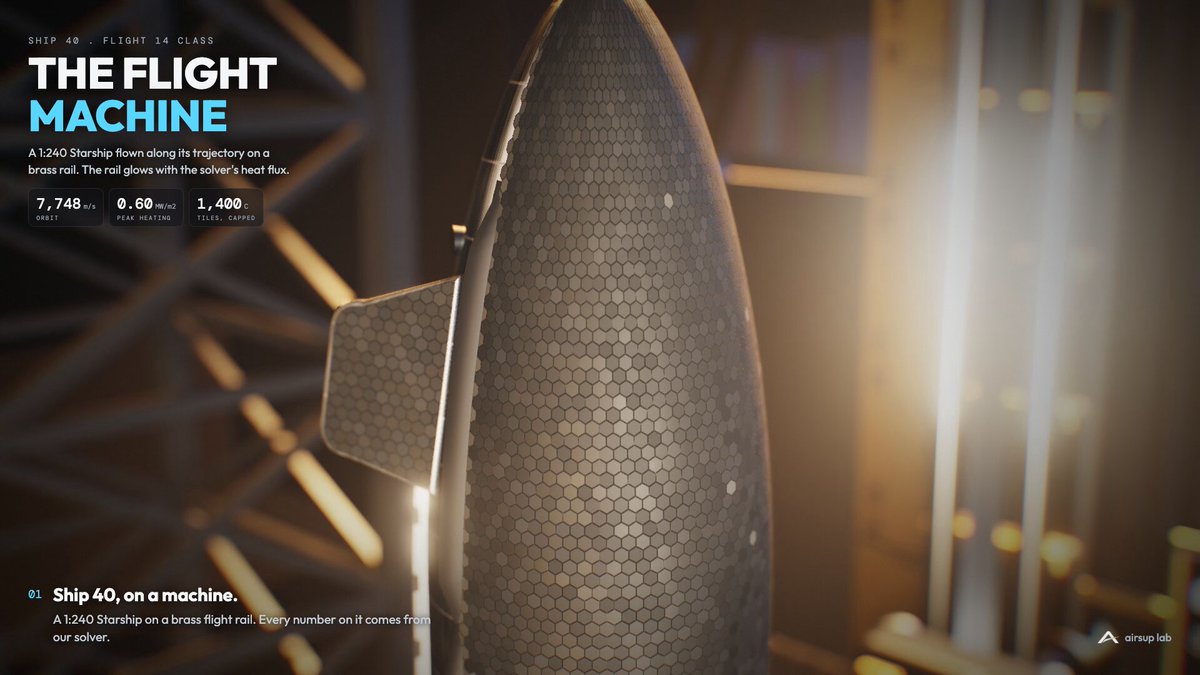
Watch a miniature Starship trace a flight path on a mechanical desk model, from liftoff through reentry. Open the creator’s website to scrub the timeline and switch between machine, follow, close-up and globe views (larger screen recommended). A teaching simulation with estimated recovery times, not footage or a verified prediction of an actual flight.
Move celestial bodies and scrub through time to connect lunar phases, orbital motion, tides, and eclipses.
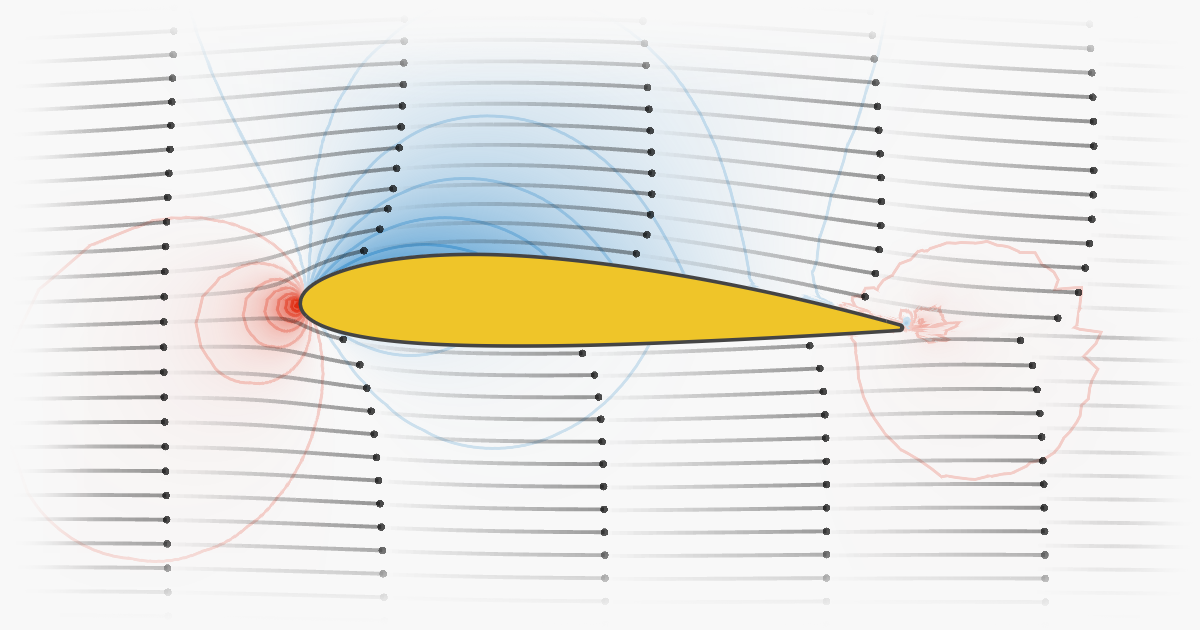
Experiment with airflow around airfoils and build intuition for lift. The flow examples are two-dimensional and omit out-of-plane airflow.
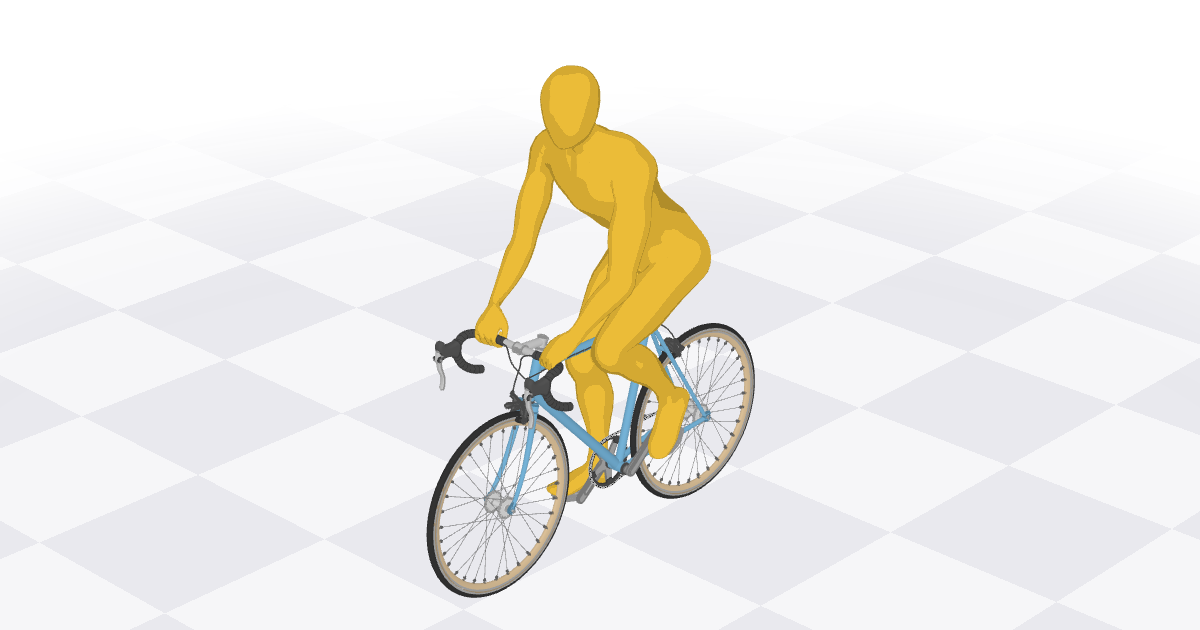
Explore forces in bicycle motion and structure. Introductory demonstrations omit friction and air resistance to isolate individual forces; they are simplified teaching models.
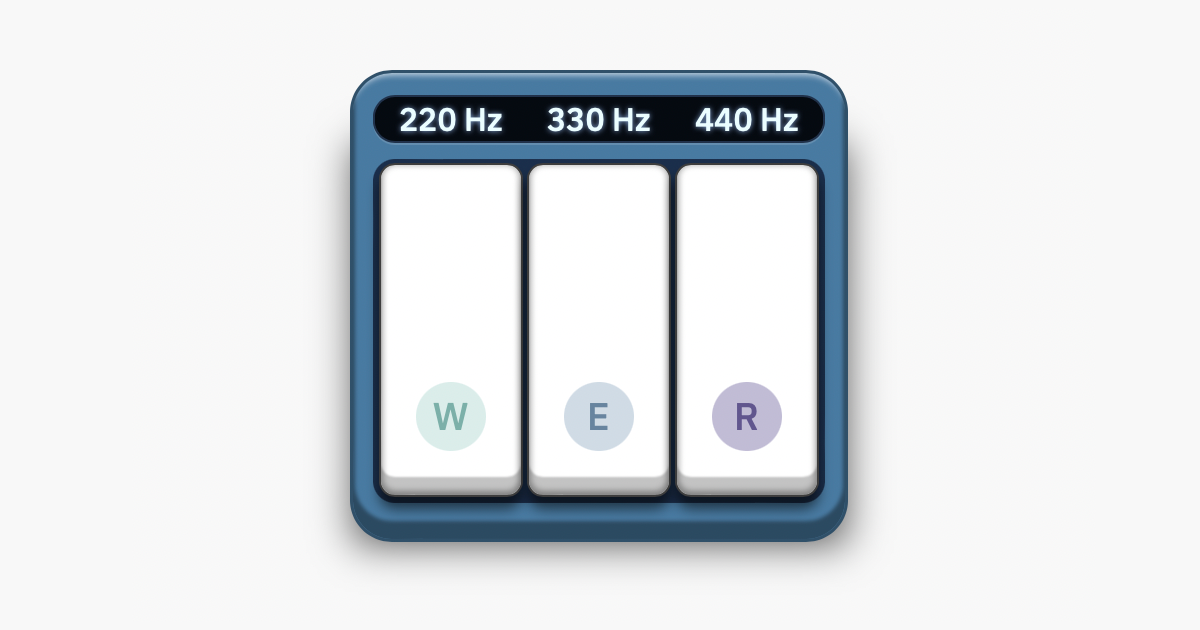
Play tones and manipulate visual models to see how vibrations travel through air as sound.
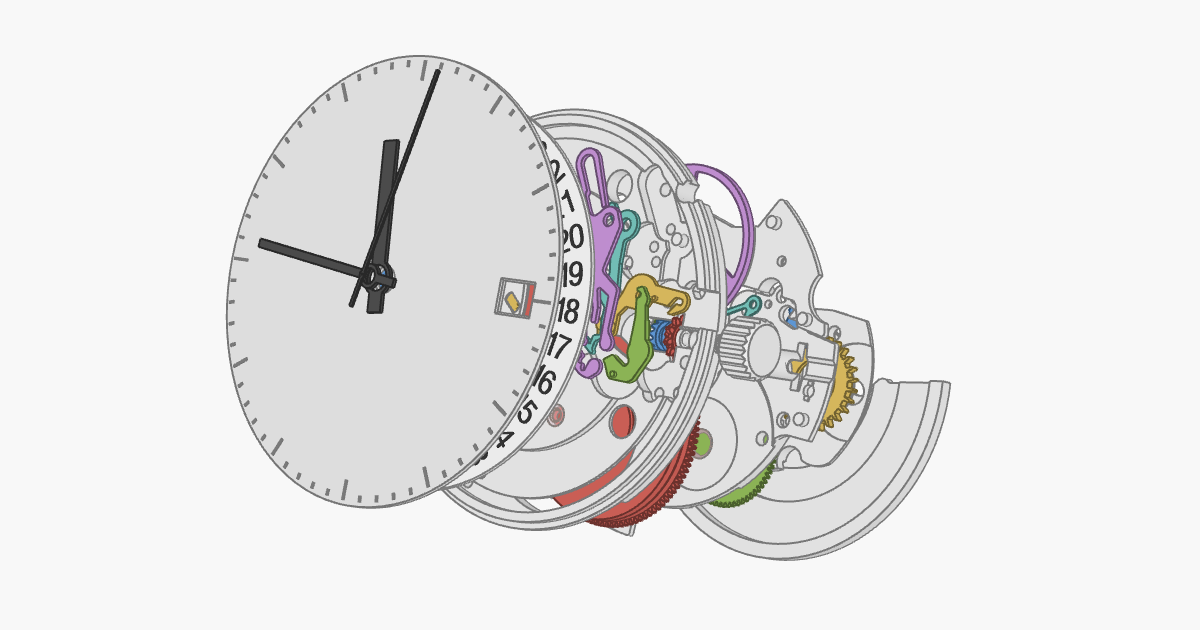
Take apart a watch in 3D and follow the springs, gears, and escapement that keep time.
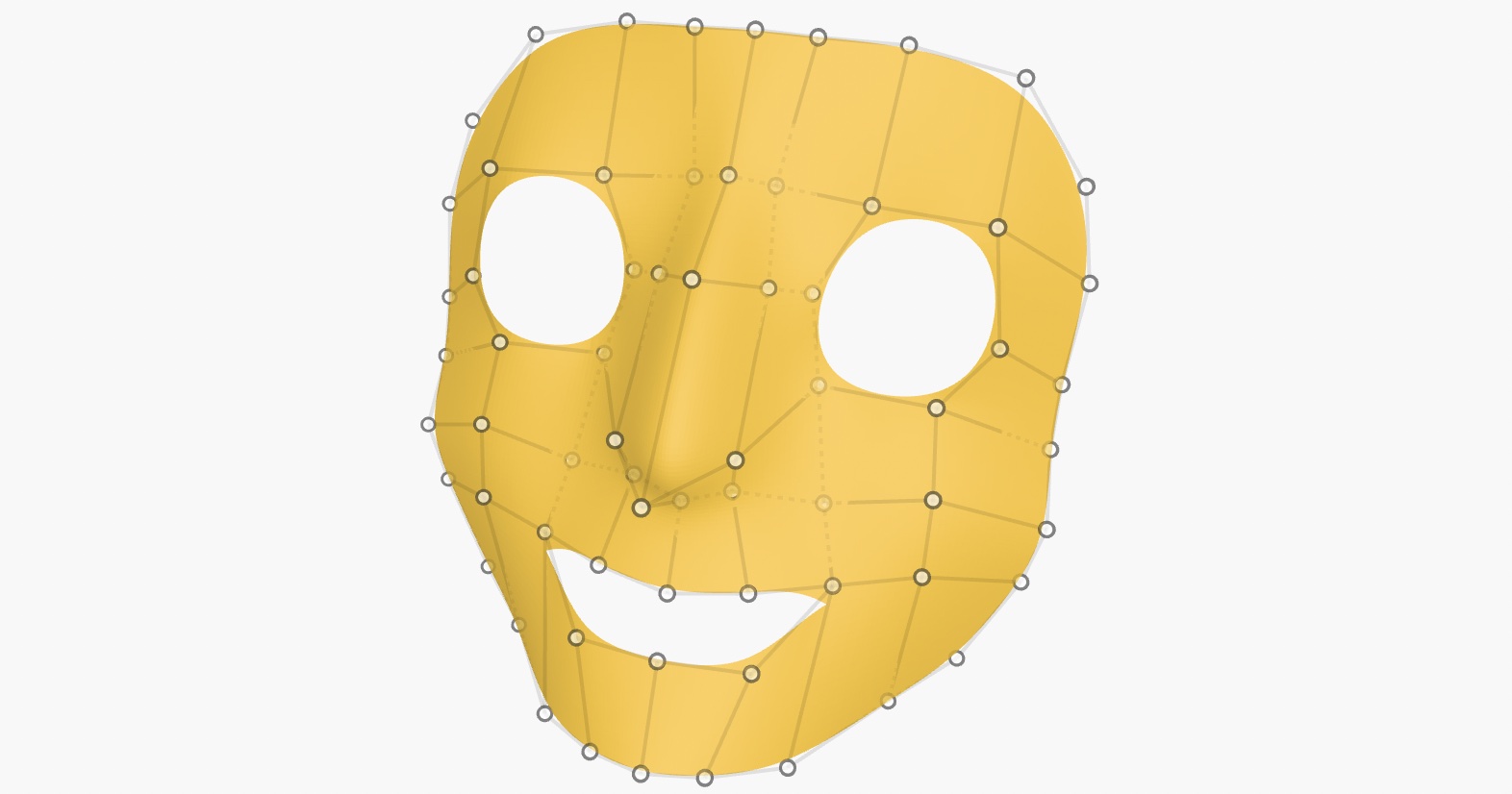
Drag control points to discover how a small set of coordinates can describe smooth shapes.
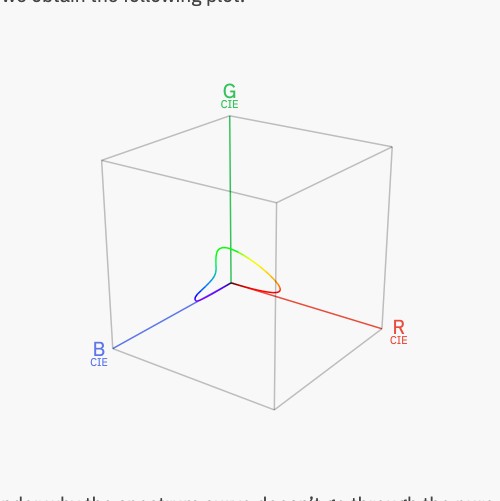
Explore color matching, gamuts, and the coordinate systems screens use to describe the colors we see.
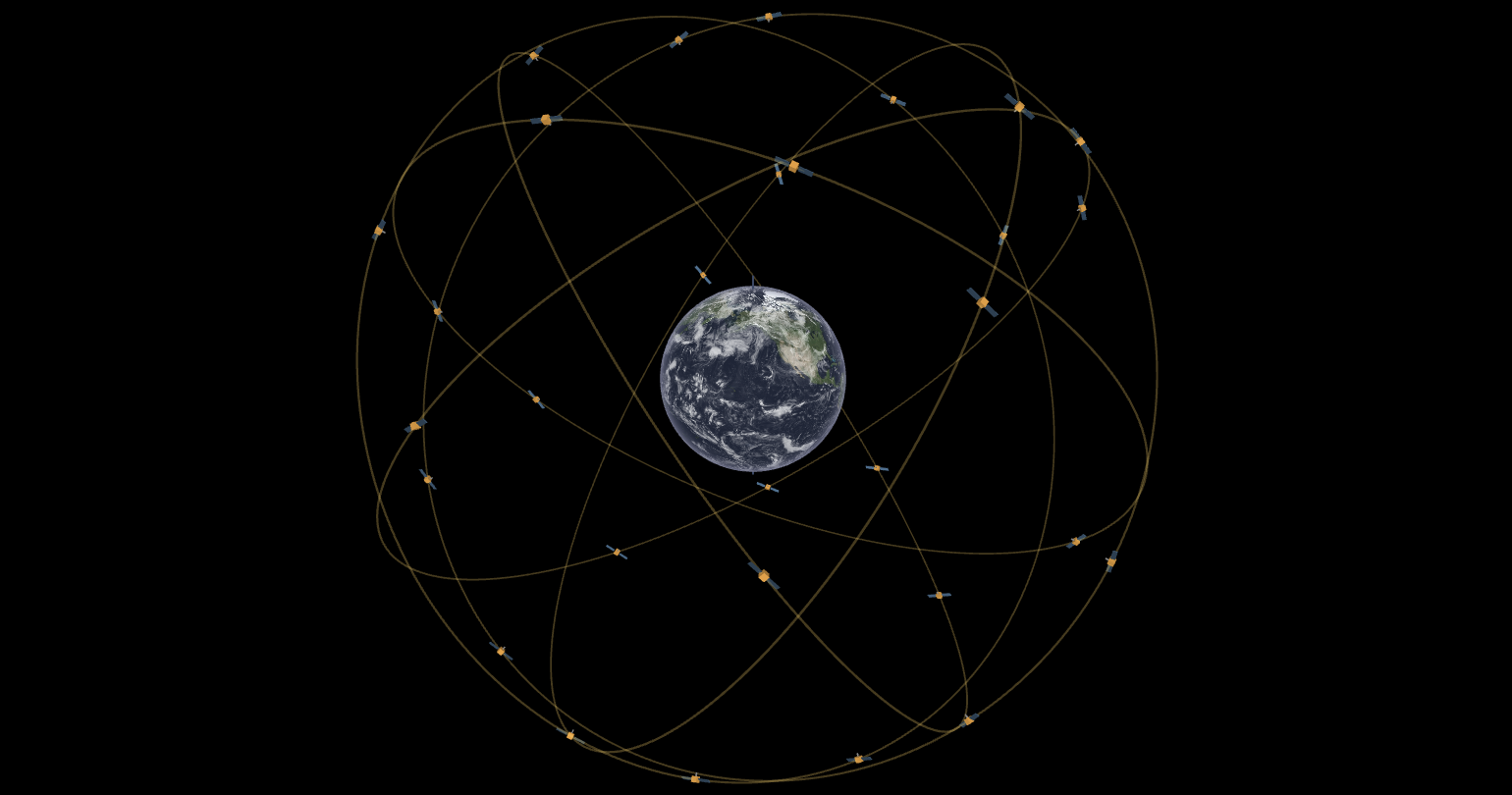
Interactive article explaining how GPS works.
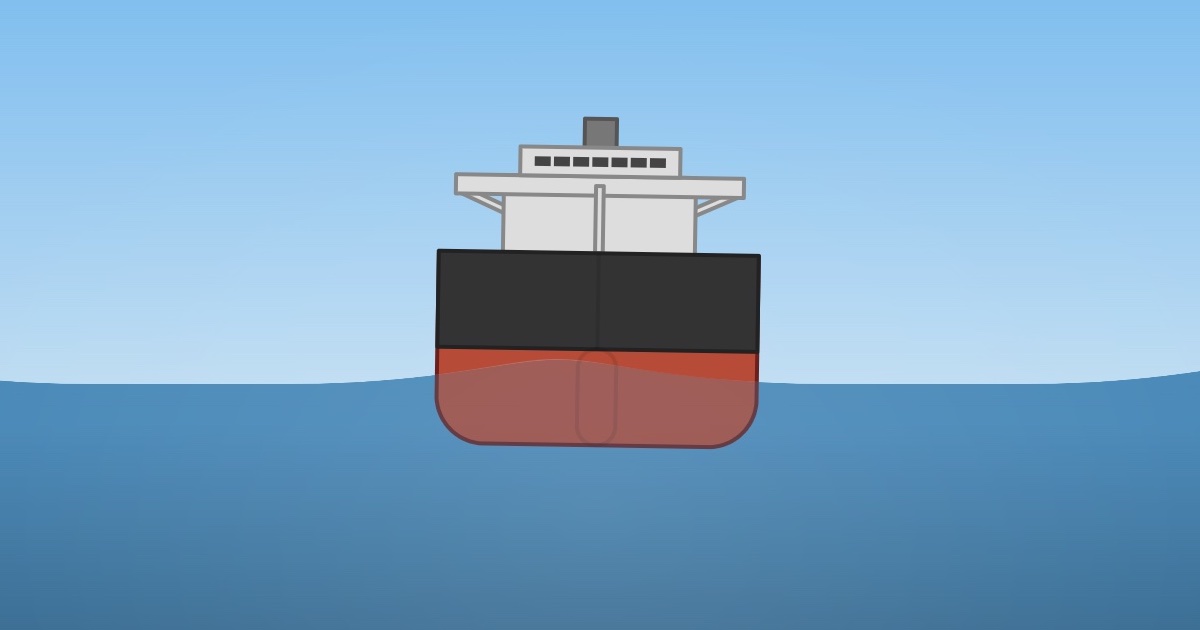
Interactive article explaining how ships float and maintain their stability.
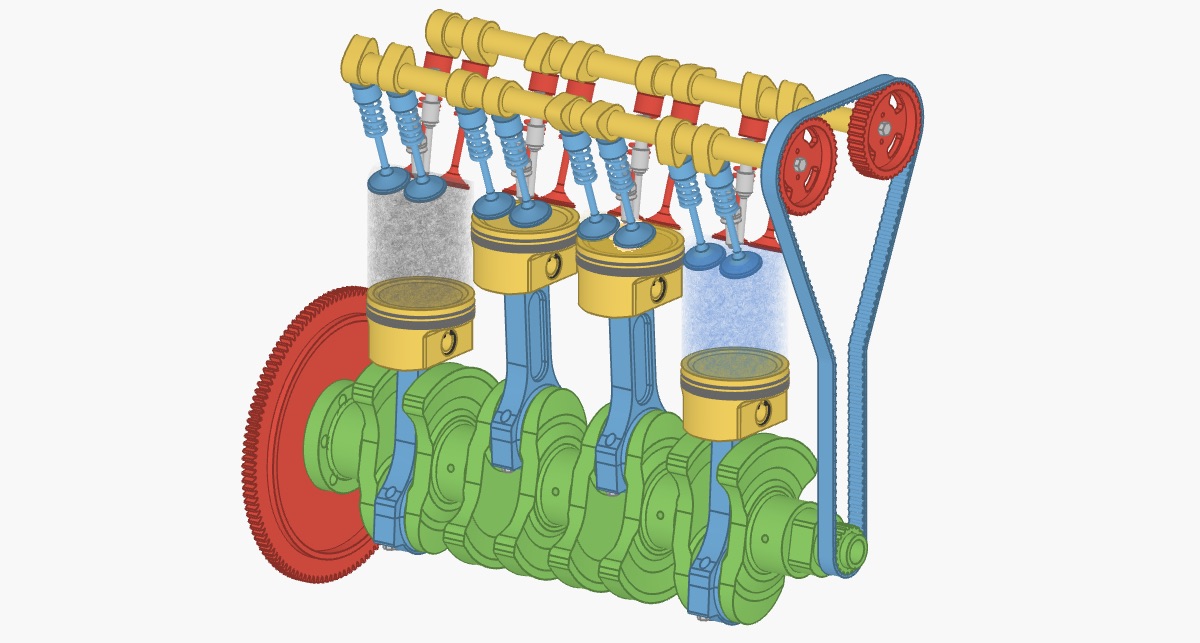
Interactive article explaining how an internal combustion engine works.
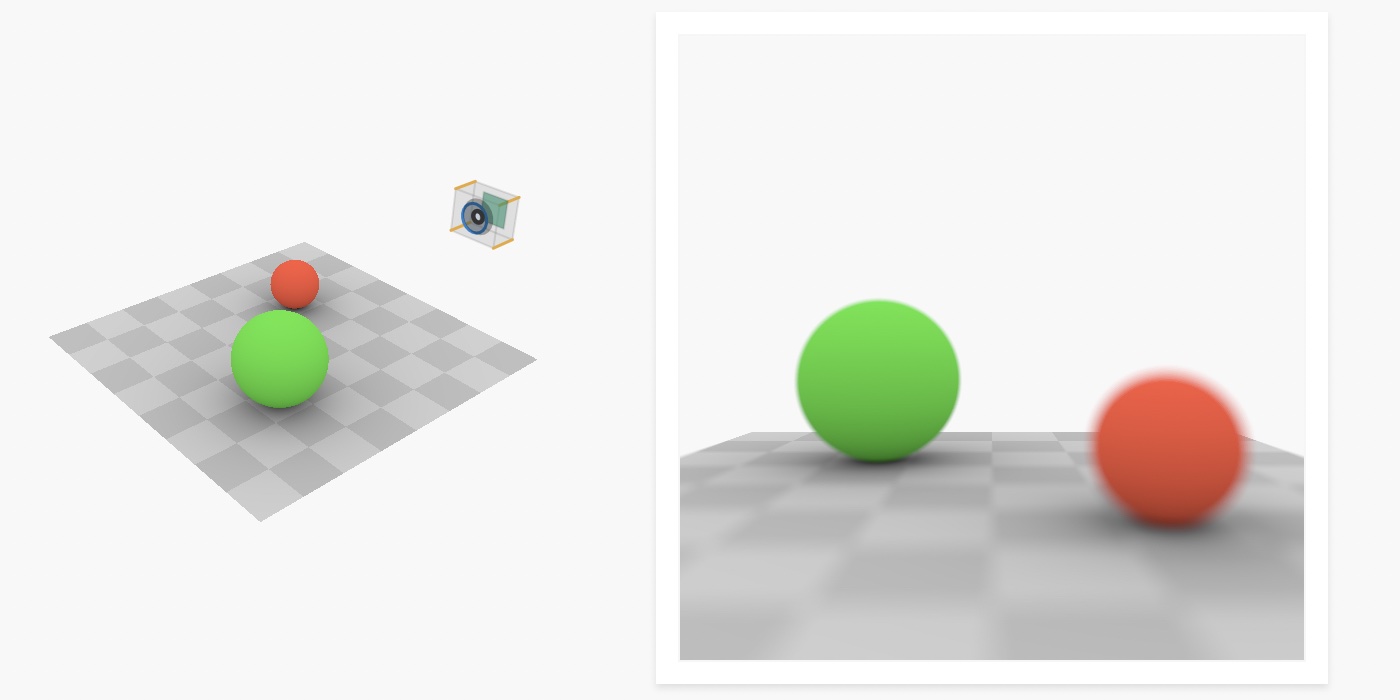
Interactive article explaining how cameras and lenses work.

Interactive article explaining how lights and shadows behave.
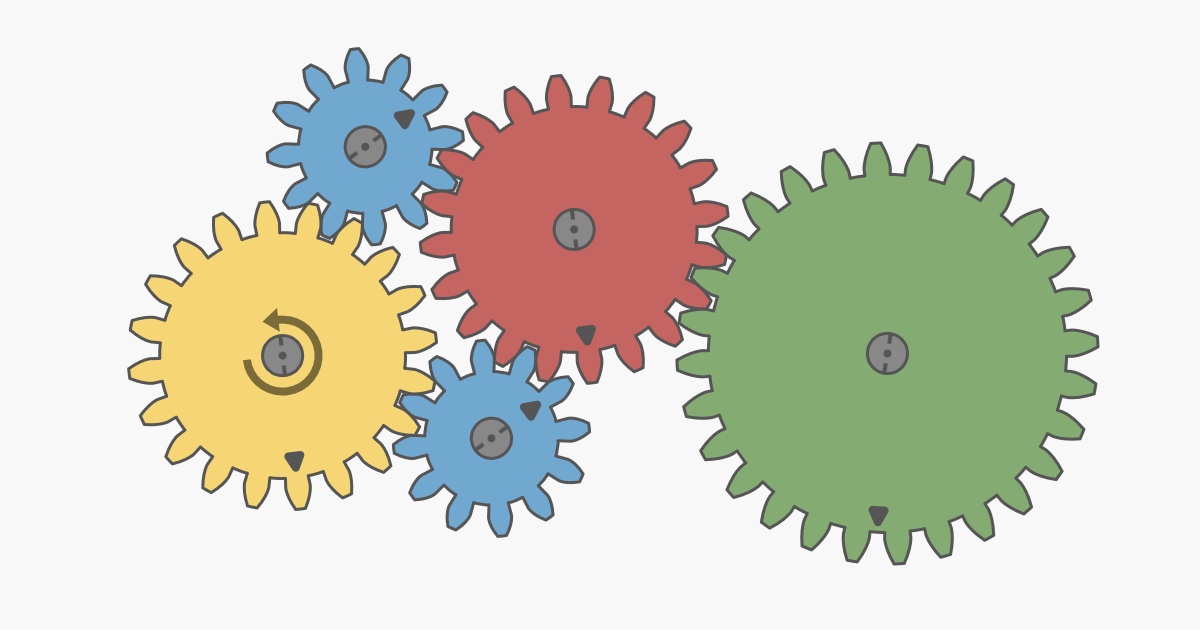
Interactive article explaining how mechanical gears work.
Interactive article that visualizes a tesseract and the fourth dimension.
Interactive article about the motion of Earth around the Sun.
In-depth interactive explanation of the floating point format.
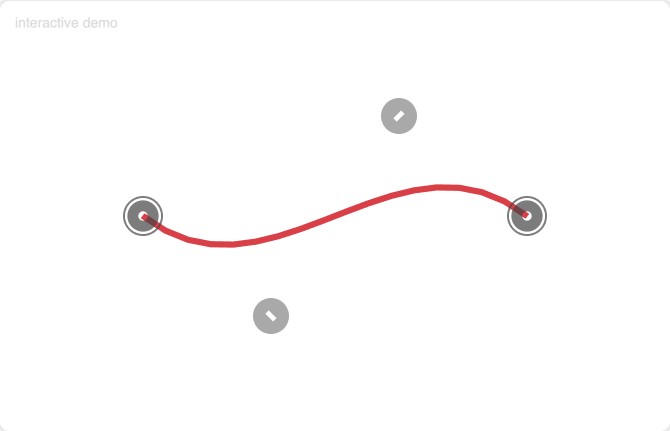
Drag control points and vary the curve parameter to explore the geometry behind Bézier curves.
A technical visual explanation of deforming a layer using mesh vertices and faces, covering Core Animation’s CAMeshTransform and an open-source alternative.
Tools: Core Animation
Historical technical article comparing CPU and GPU computation through OpenGL ES 3.0 Transform Feedback; the author now labels the methods obsolete on modern iOS and says the page is retained as a historical reference.
Tools: OpenGL ES 3.0
Experiment with coins, dice, and cards to build intuition for chance, expectation, and variance.
Define random variables, reshape distributions, and sample averages to explore the central limit theorem.
Change probabilities and observations to see how evidence updates prior beliefs into posterior estimates.
Fit lines to data interactively and explore linear regression and correlation.
Build sets in a Venn diagram, compare permutations and combinations, and explore conditional probability.
Drop random samples to estimate pi, generate confidence intervals and explore bootstrap resampling.
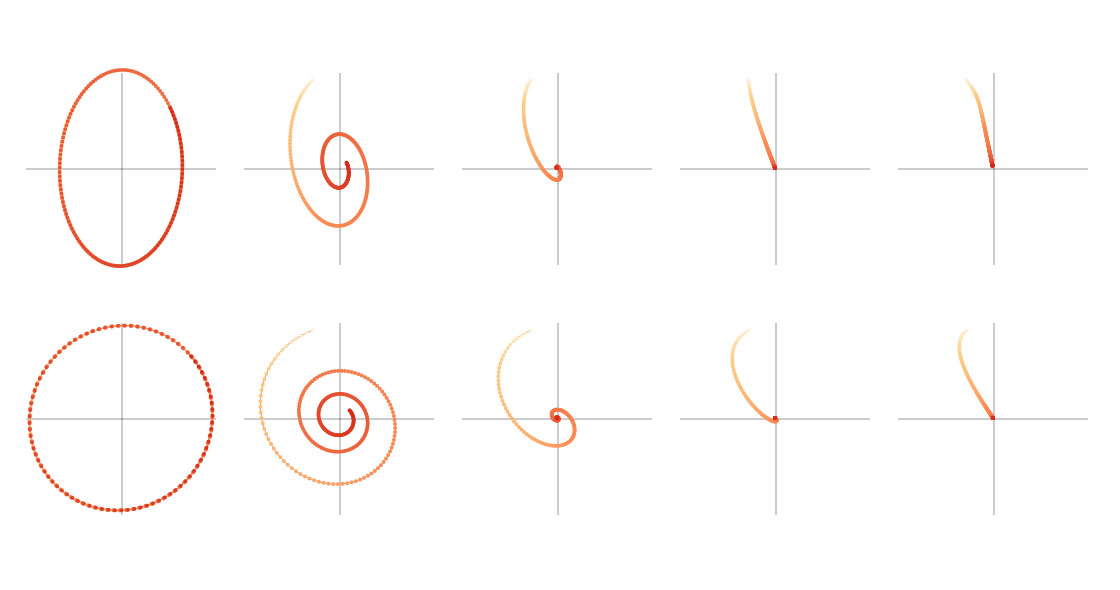
Explore how momentum changes optimization trajectories and why it can accelerate gradient descent.
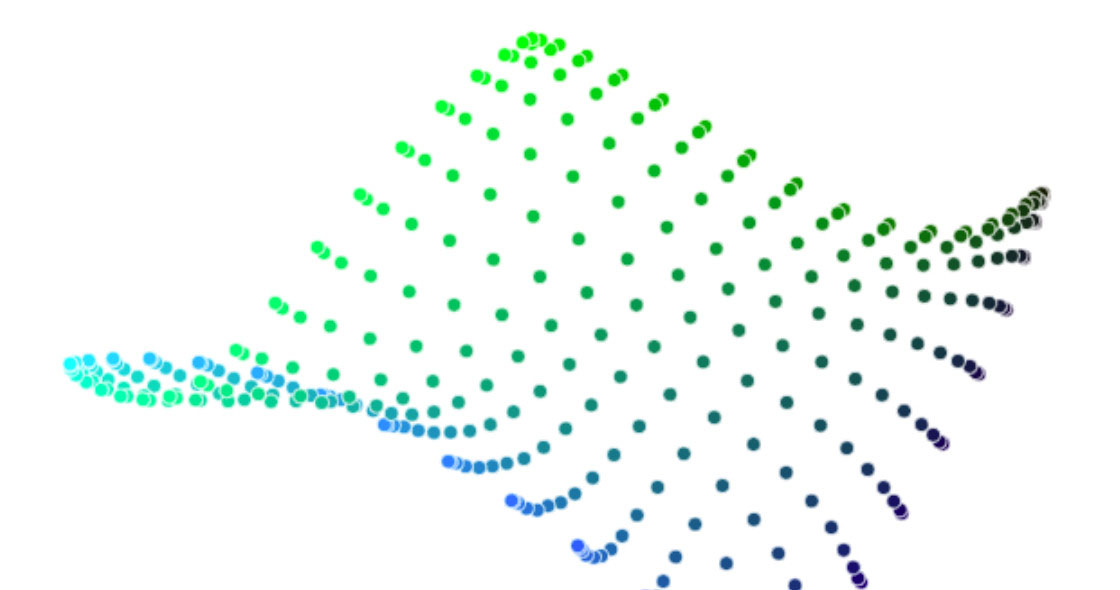
Change datasets and parameters to discover what t-SNE plots reveal and where they can mislead.
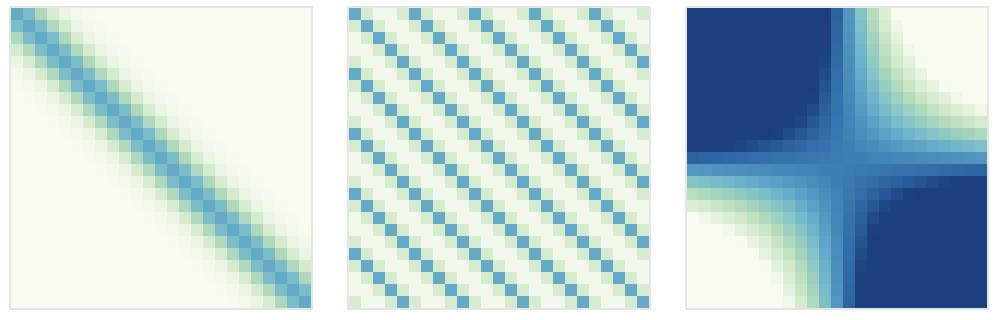
Adjust distributions, kernels, and observations to see how Gaussian processes make predictions with uncertainty.

Watch a collage-style animated history of the printing press and the spread of printed information.

Short AI video that the creator describes as their most ambitious project so far. The post credits Leonardo AI, Runway and ElevenLabs, with music and sound effects from Epidemic Sound.
Tools: Leonardo AI, Runway, ElevenLabs

A short film that Alex Patrascu credits as made in LTX Studio, shared alongside a discussion of an LTX Video update.
Tools: LTX Studio
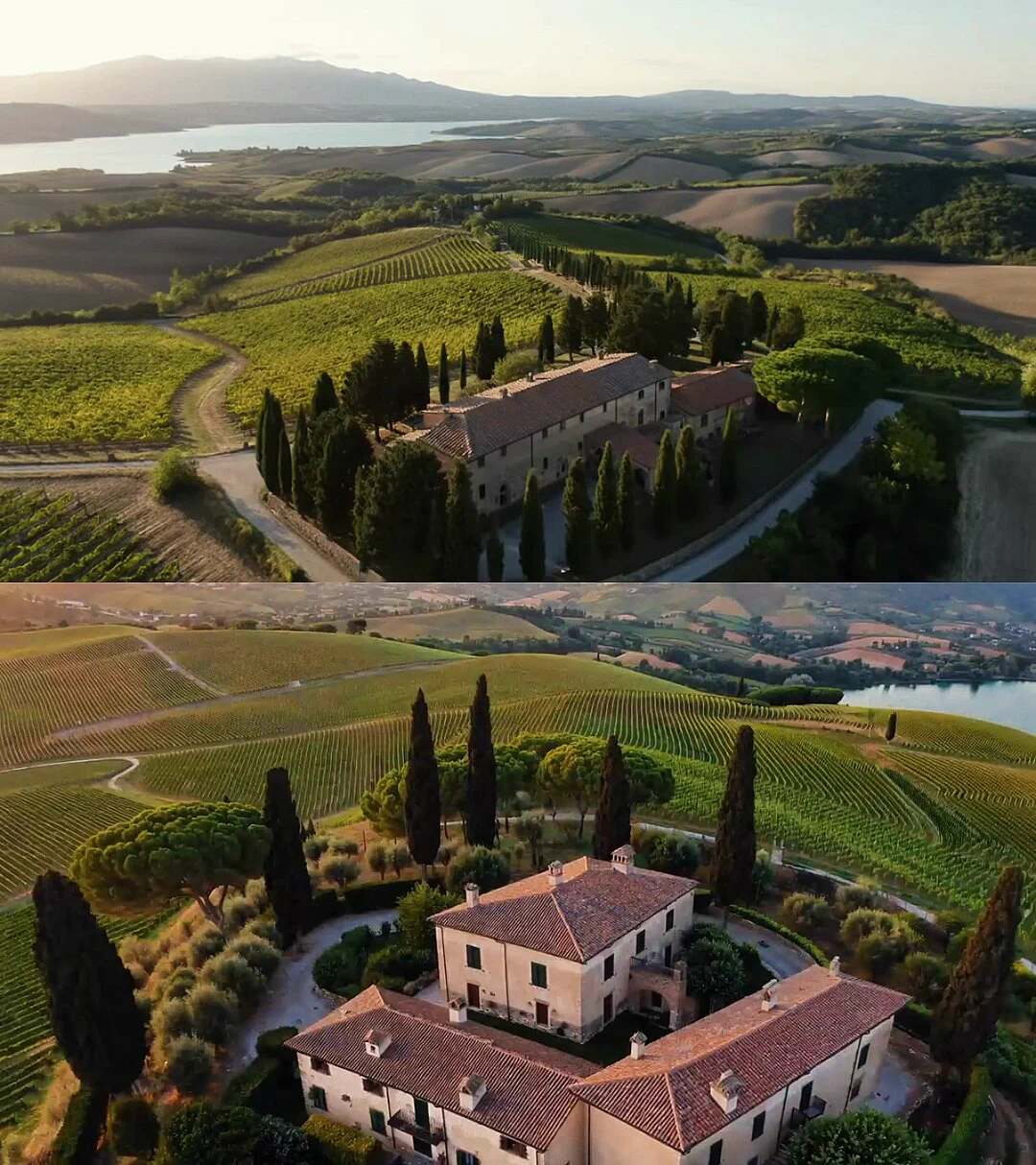
Comparison video set in an Italian vineyard, which the post says was generated with both Sora and Veo 2. The post notes that Veo 2 was not yet fully released.
Tools: Sora, Veo 2

Follow an animated token-by-token explanation of how induction heads can copy patterns in language models.

Watch an illustrated timeline of Steve Jobs’s life and work, told through animated characters and typography.
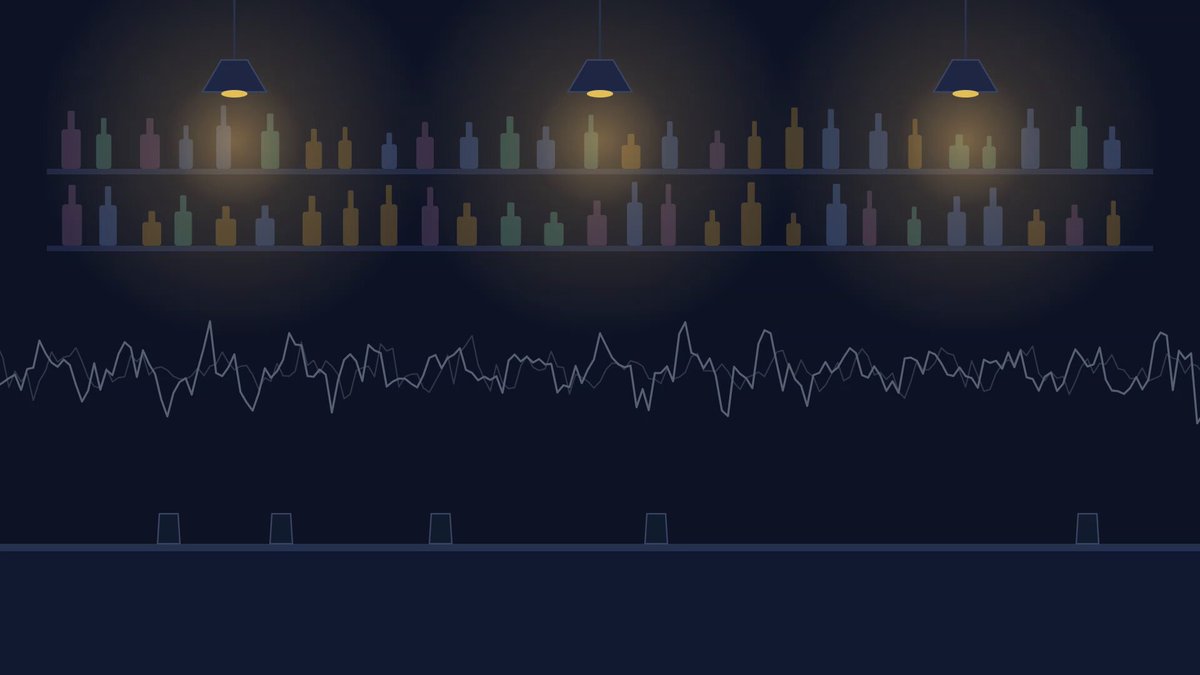
See how Shazam recognizes a song from a short recording through an animated explanation of audio fingerprints.
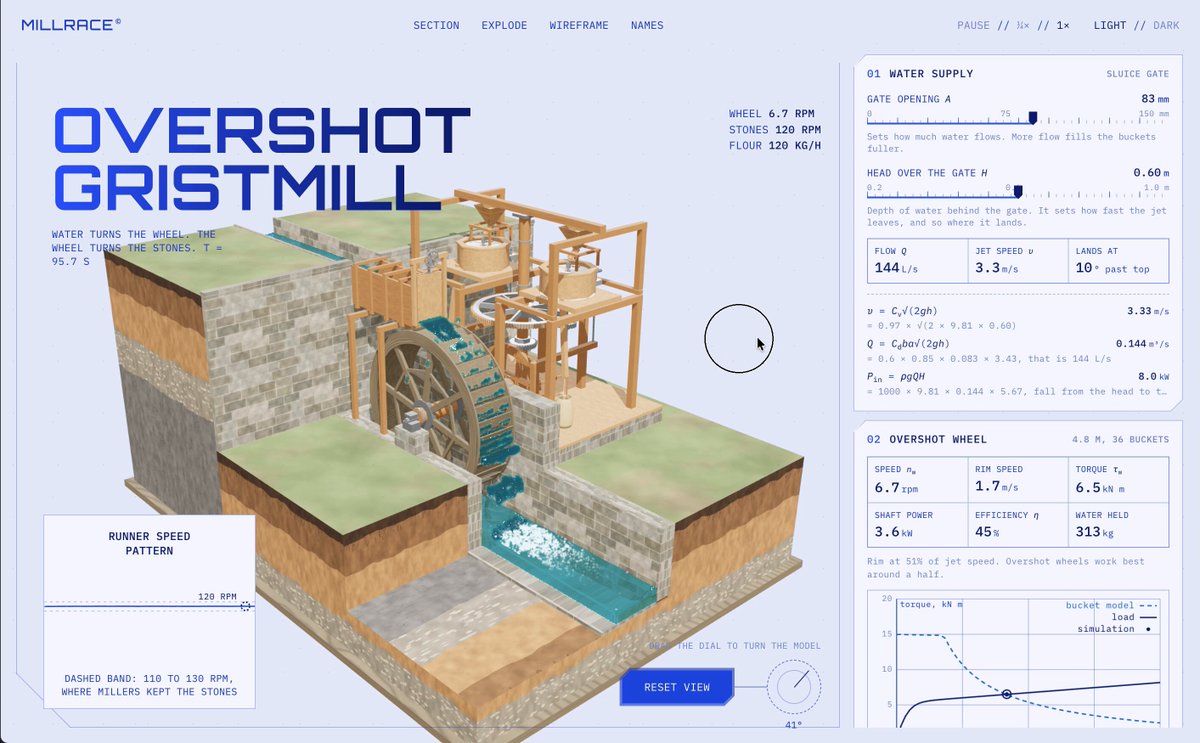
Watch water turn a wheel, gears transfer the motion, and millstones grind grain in this animated mechanism.
Digital wax-stamp designs in several styles, with a live demo and a public code repository. The post says the work was built in one pass with Claude Opus 5.5.
Tools: Claude Opus 5.5
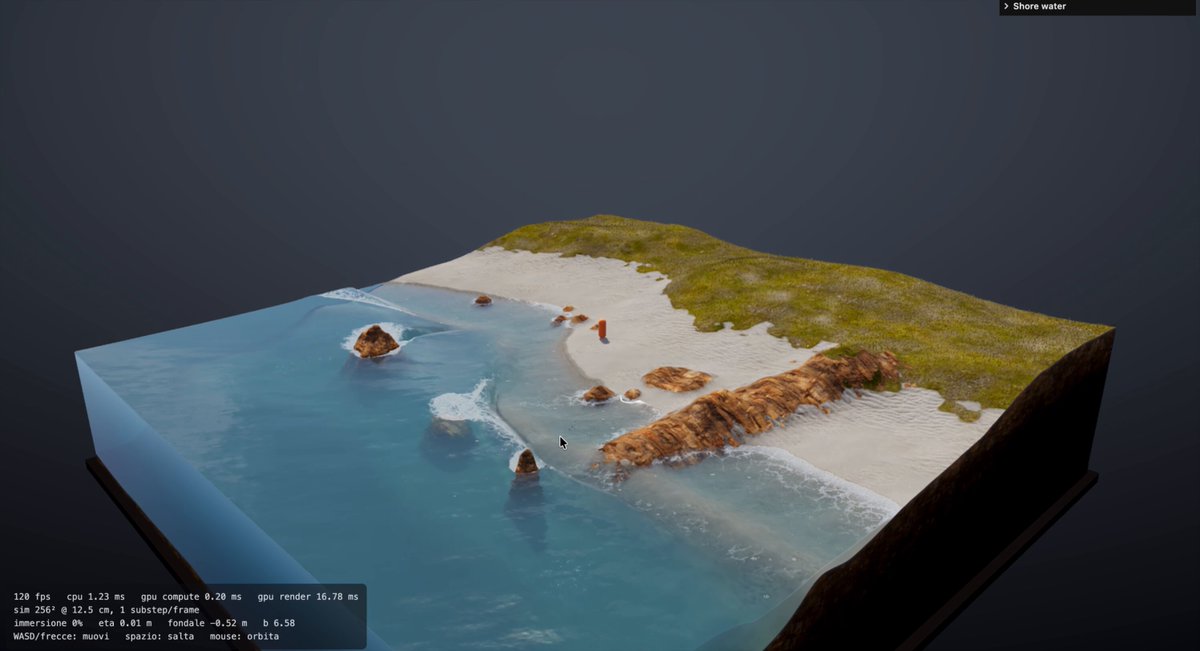
Watch a real-time 3D water simulation explore rolling waves and the movement of the ocean surface.
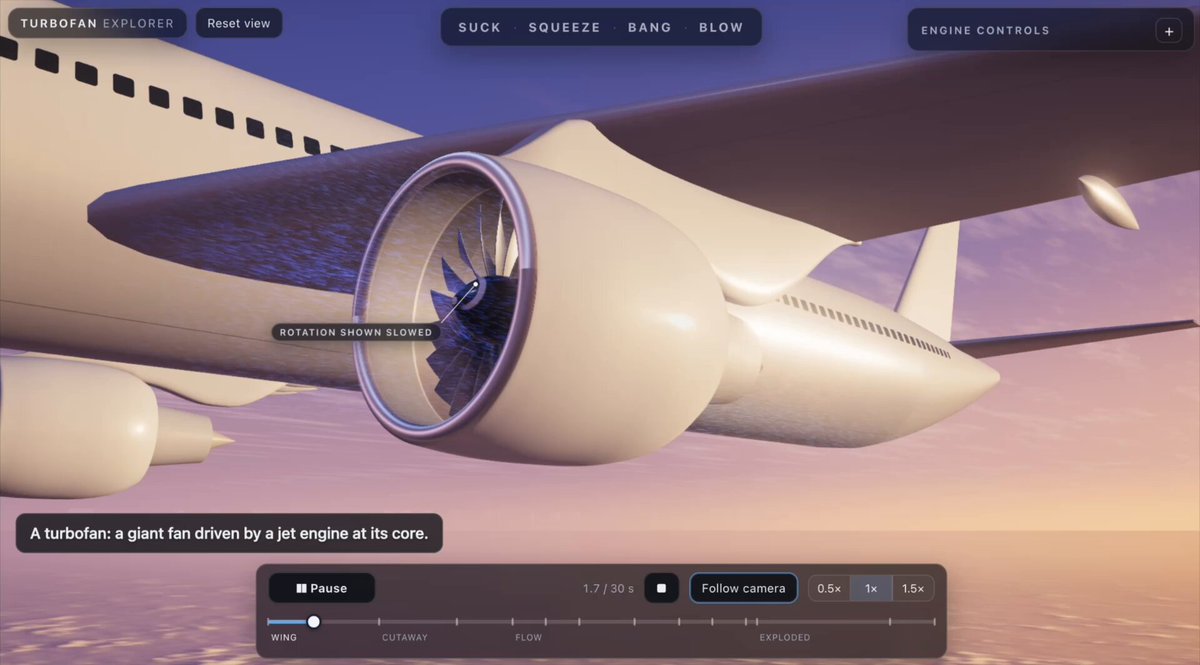
Follow a 3D jet engine from intake to exhaust in a visual walkthrough of its internal components.
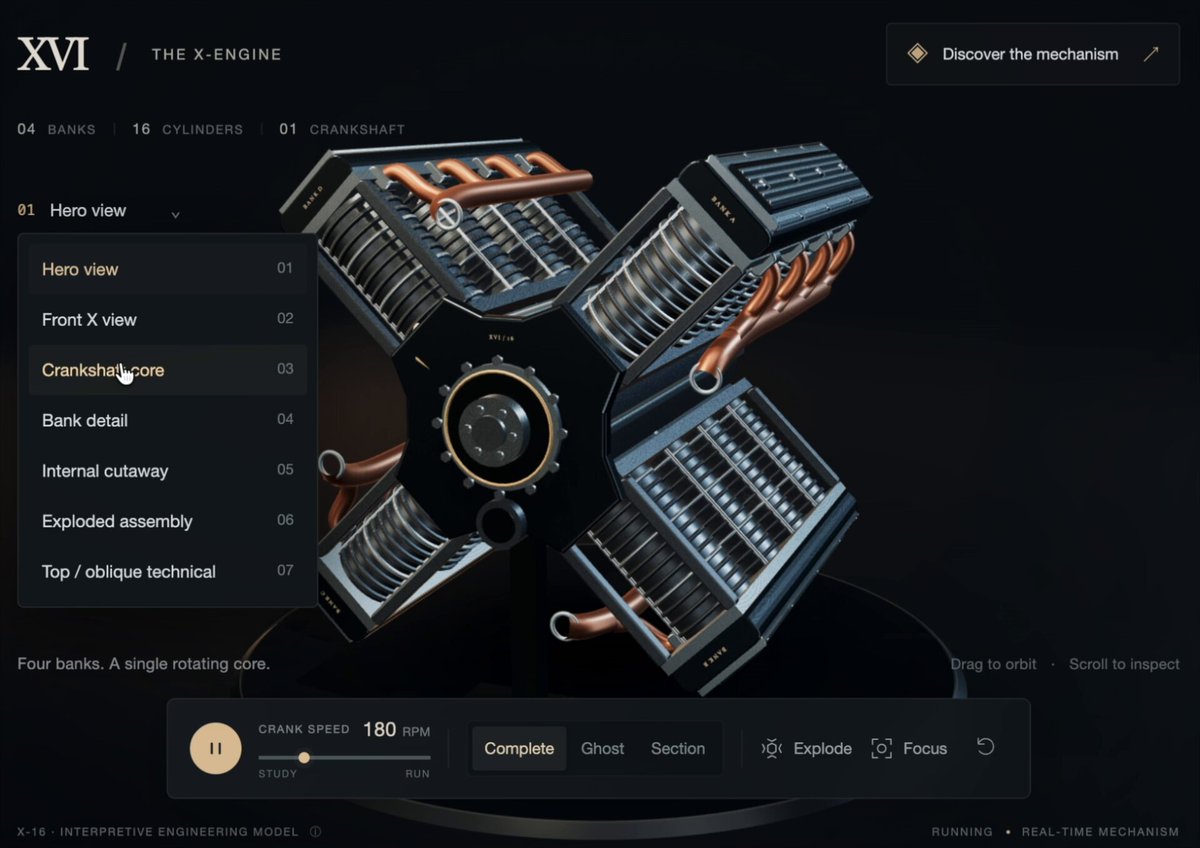
Explore a rare X-16 engine architecture with four cylinder banks and sixteen pistons in 3D.
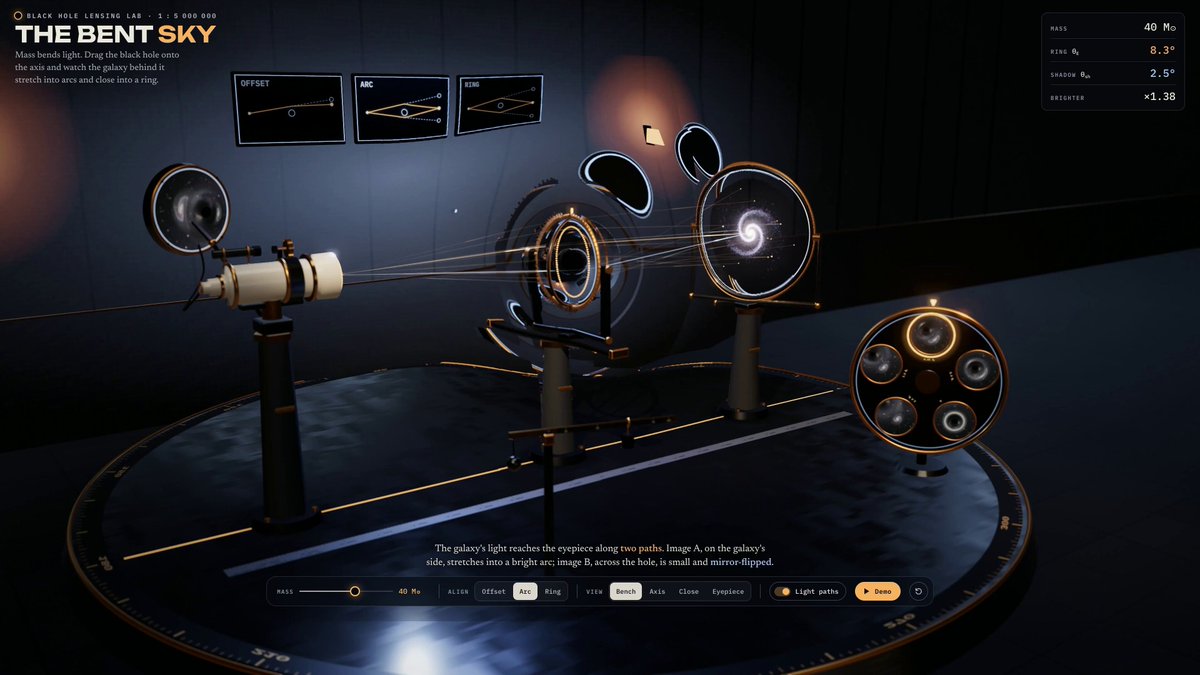
Drag a black hole across the line of sight and watch background galaxies bend into arcs and Einstein rings.
Tools: Opus 5.5
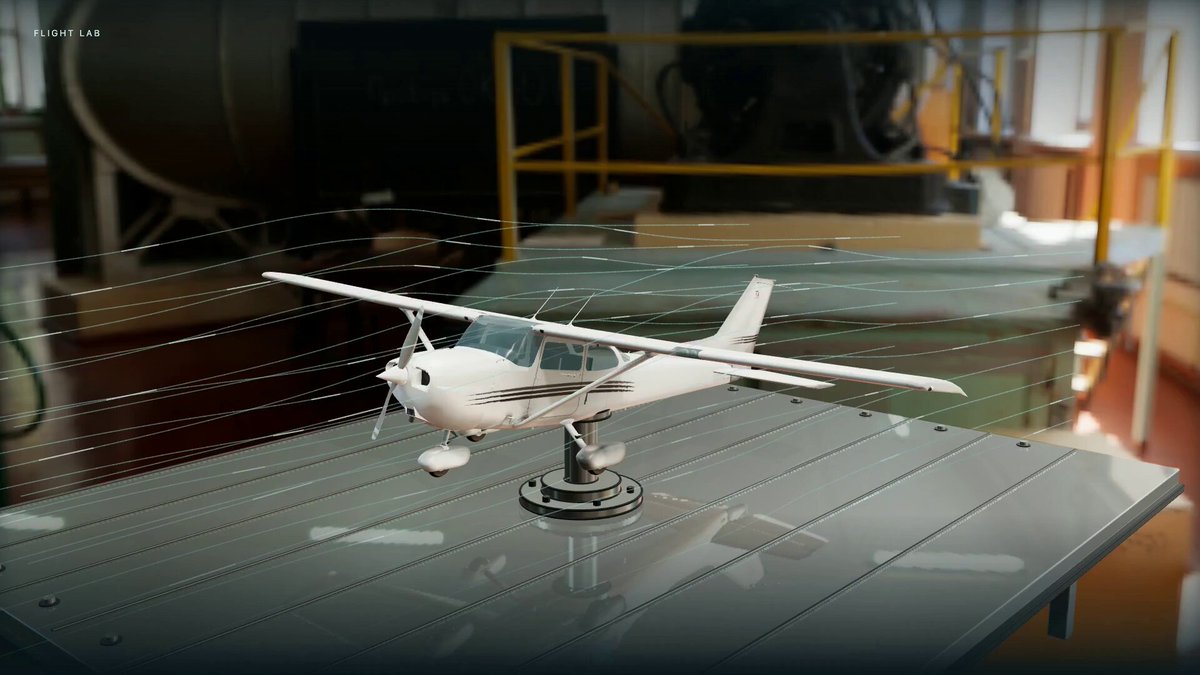
Explore how a wing creates lift and what changes with angle and speed in a hands-on wind tunnel.
Tools: GPT-6 Astra
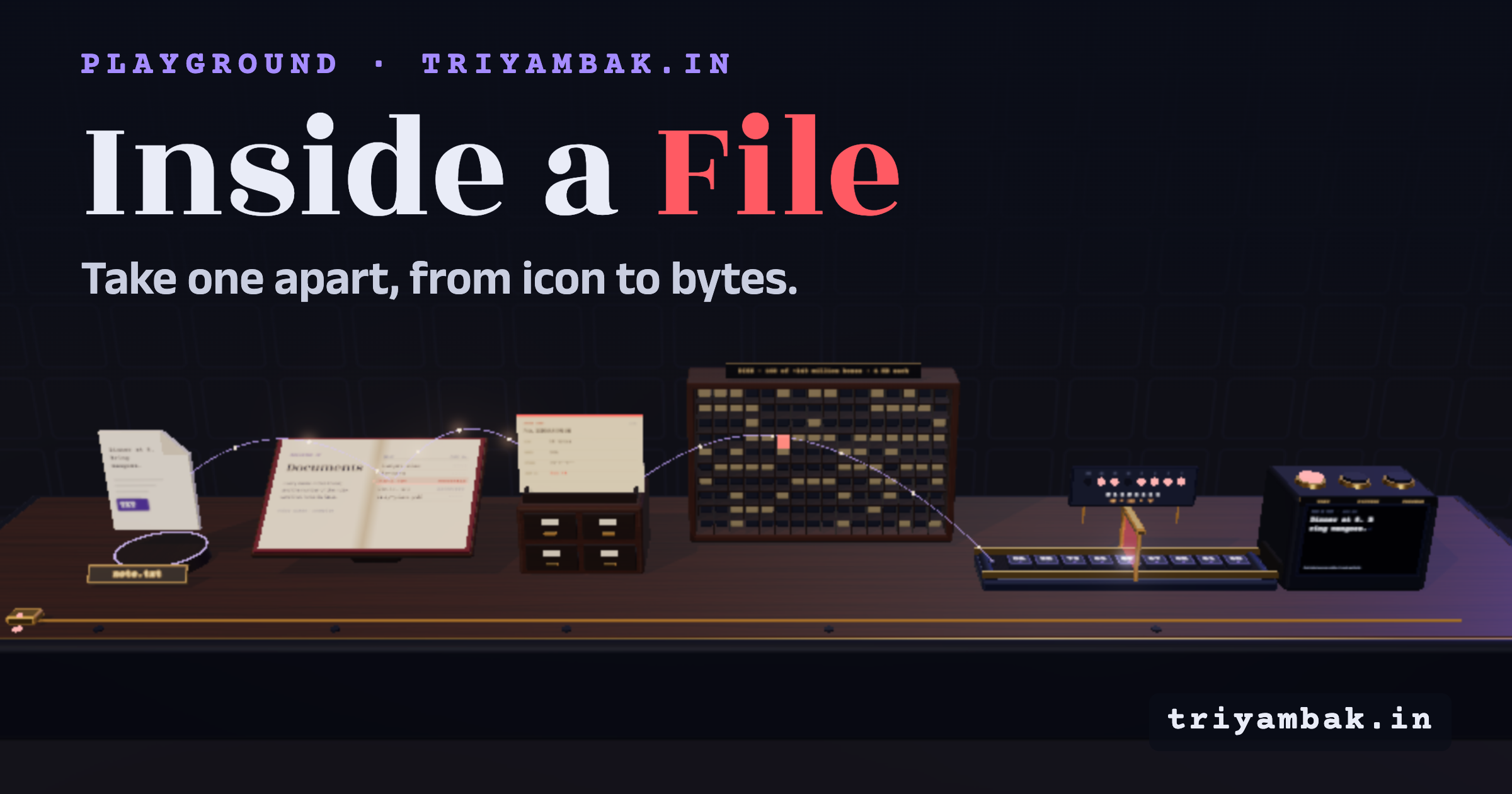
Turn a dial to take a file apart, from the icon down to bytes and bits on disk.
Tools: Claude Code, three.js
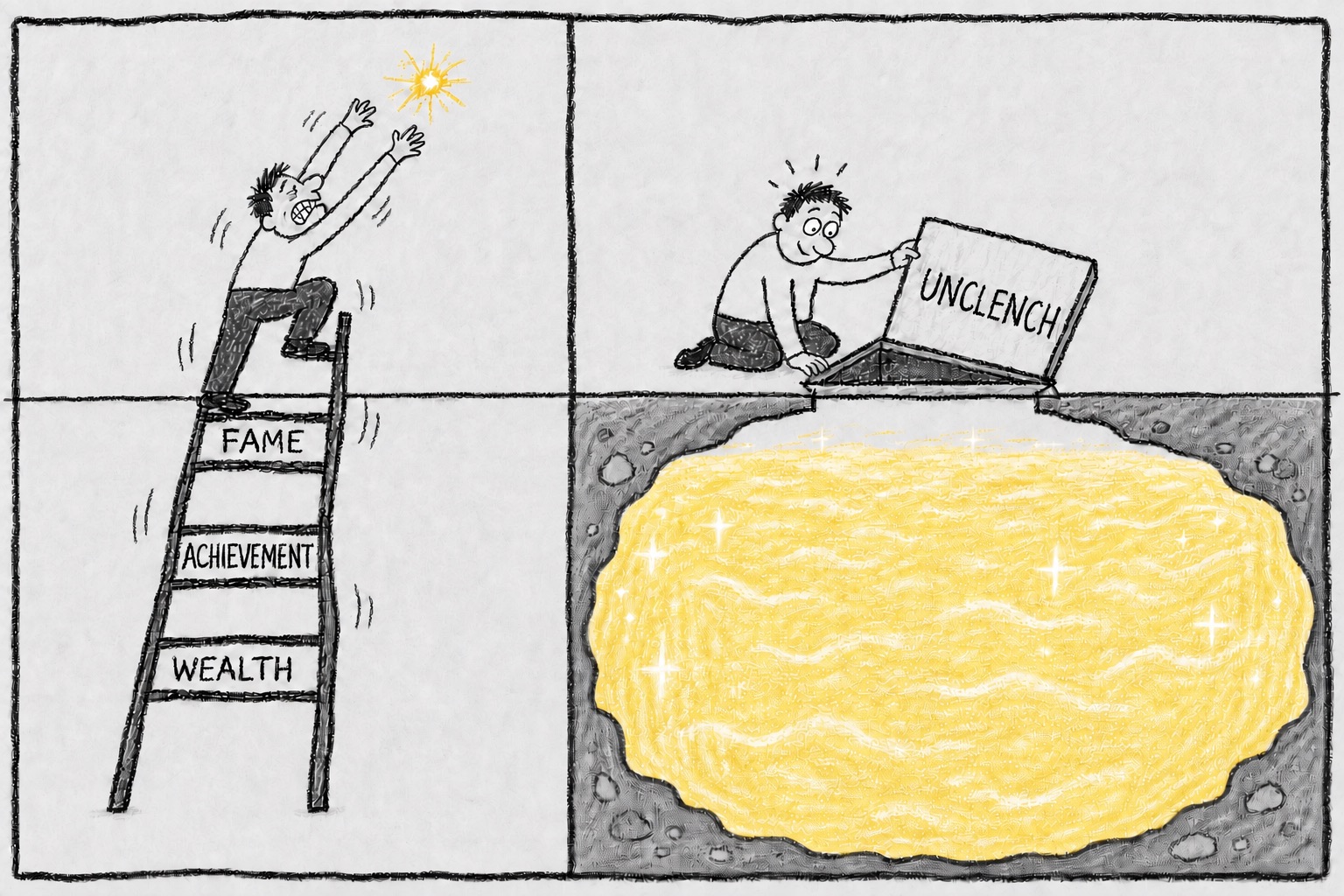
An interactive essay and field guide to the trainable skill of unclenching.
Trace the AI compute stack from grid power and data centers to chips, racks and clusters.
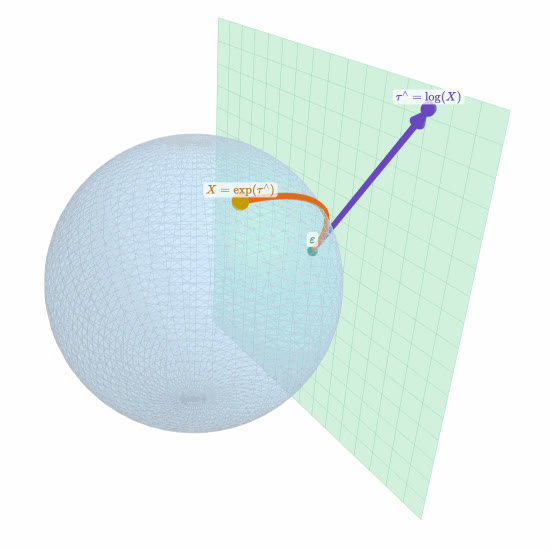
An interactive visual introduction to Lie groups and optimisation on manifolds.
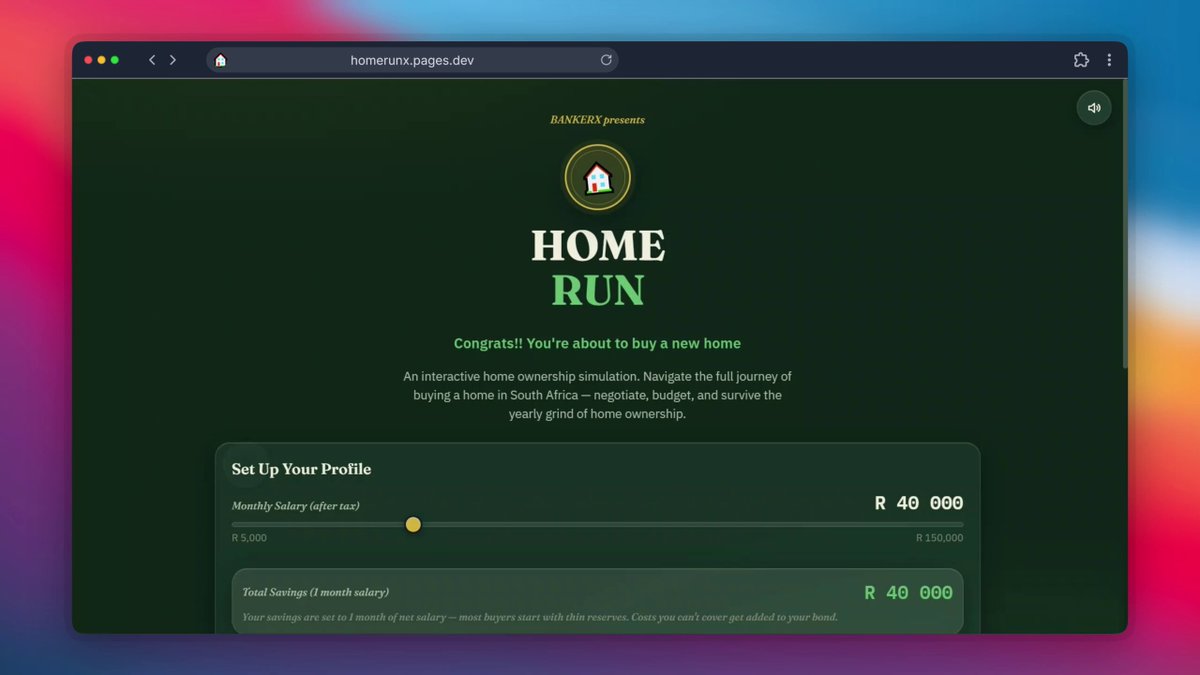
Play a home-ownership simulation and see whether you can pay off your bond early.

An interactive explainer of 3D Gaussian splatting and how photos become navigable 3D scenes.
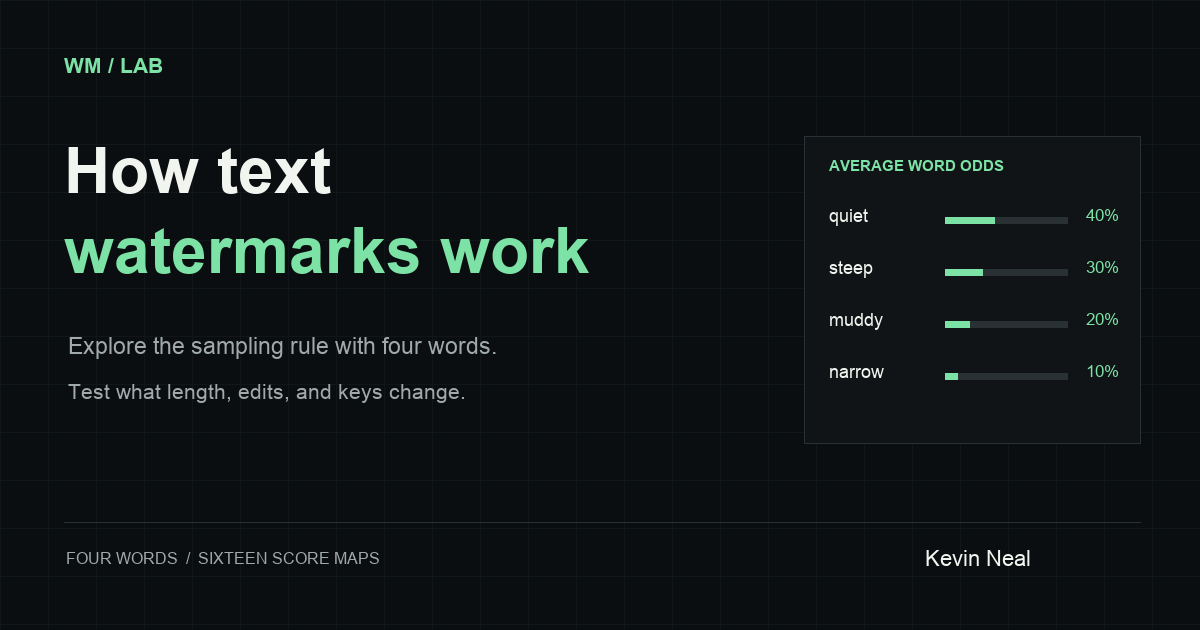
See how LLM text watermarks hide weak statistical signals across many tokens.
Tools: SmolLM2-135M-Instruct

Explore how decision models return calibrated probabilities in milliseconds.
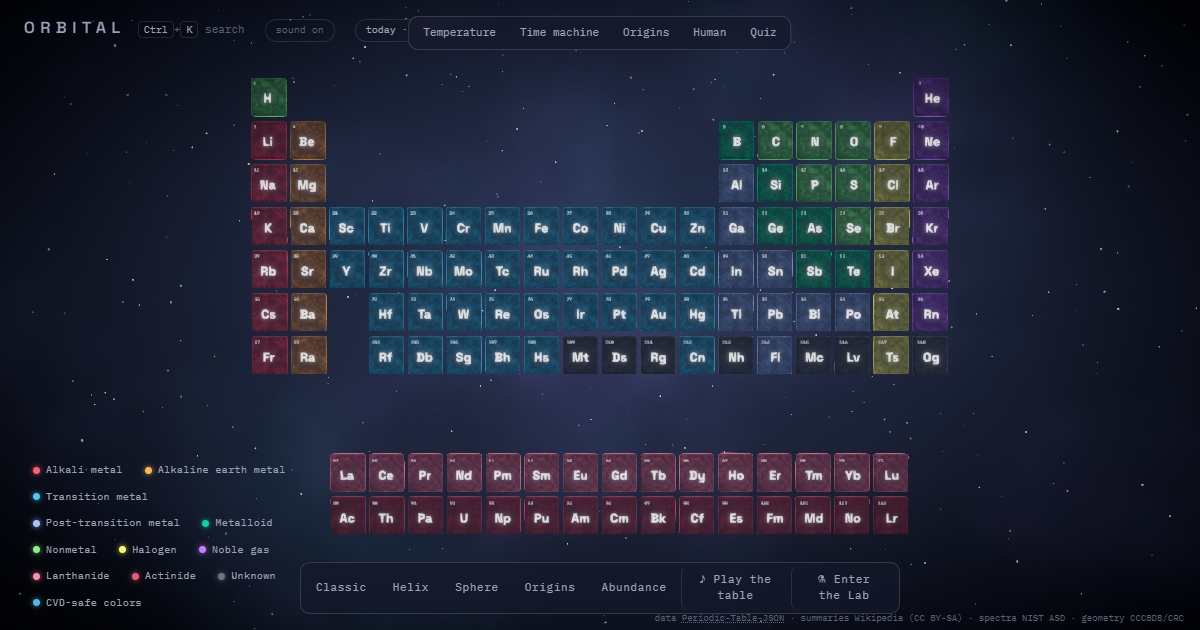
A planetarium-style interactive periodic table for exploring the elements.
Tools: Claude
An animated video about monetary history, shared by Brad Mills with a source-specific Opus 5.5 tool credit.
Tools: Opus 5.5
Interactive explainers that walk through building with Convex.
Step through how SeedSigner turns dice rolls into a seed phrase.
An interactive explainer of the Concrete Problems in AI Safety paper: locate each accident in the pipeline.
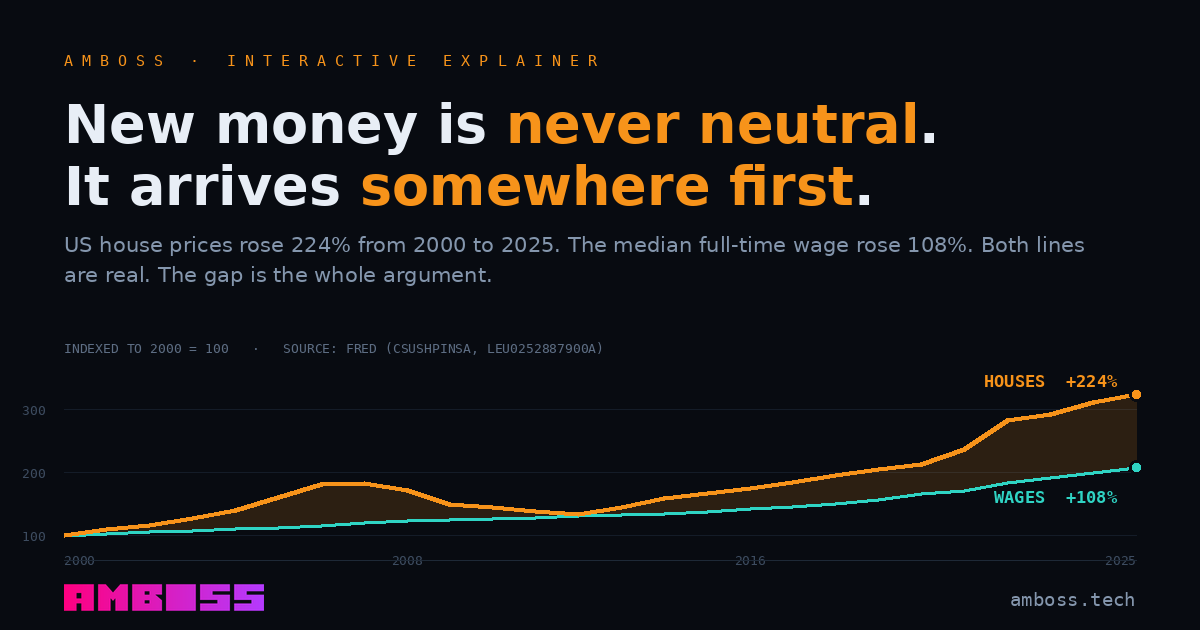
Follow new money as it enters the economy and see why the order it reaches people matters.

An interactive explainer of what happens after you type a URL and press Enter.

A bottom-up, animated guide to HTTP load balancing algorithms.
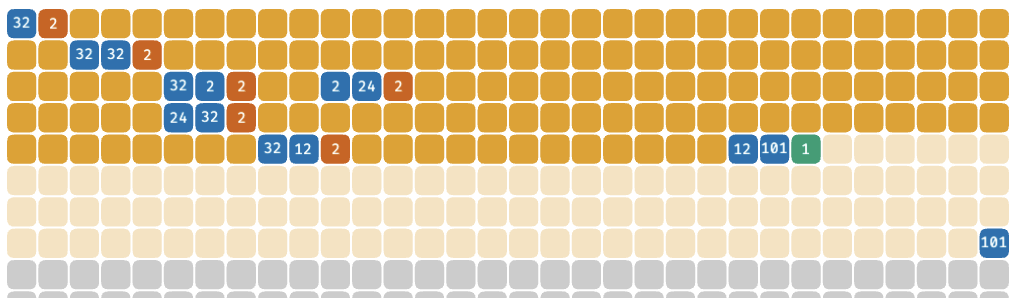
A visual introduction to memory allocation.

A visual, interactive introduction to hash functions.
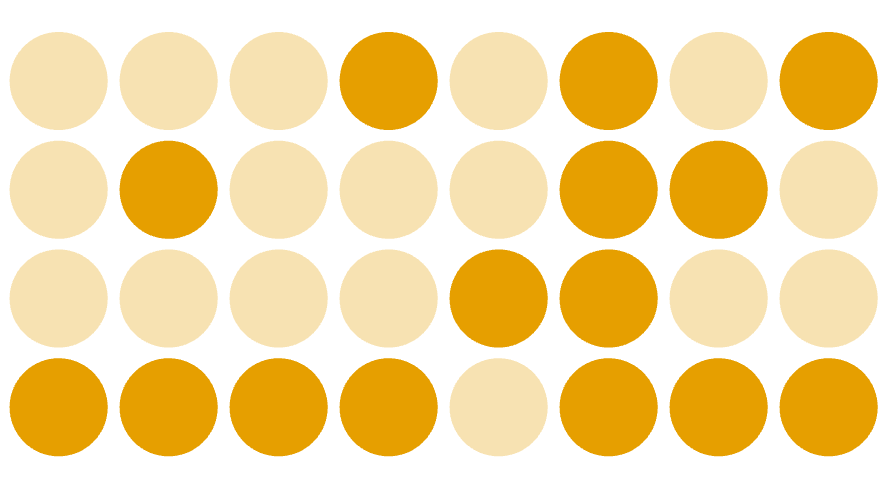
A visual, interactive guide to what bloom filters are and when to use them.
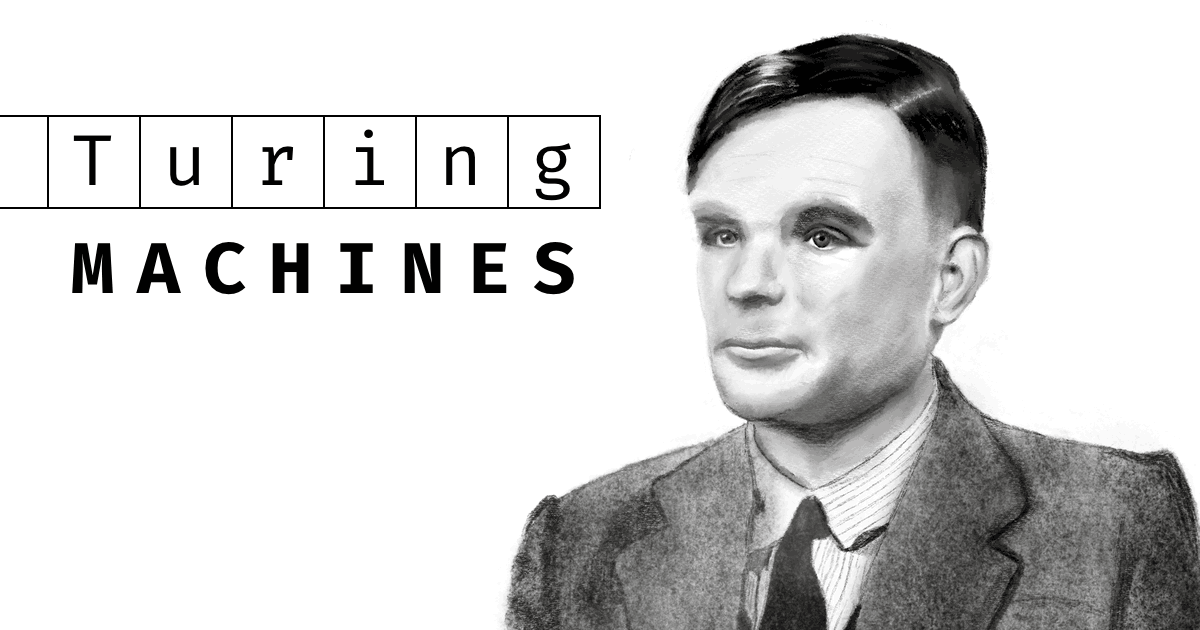
An interactive introduction to Turing machines.
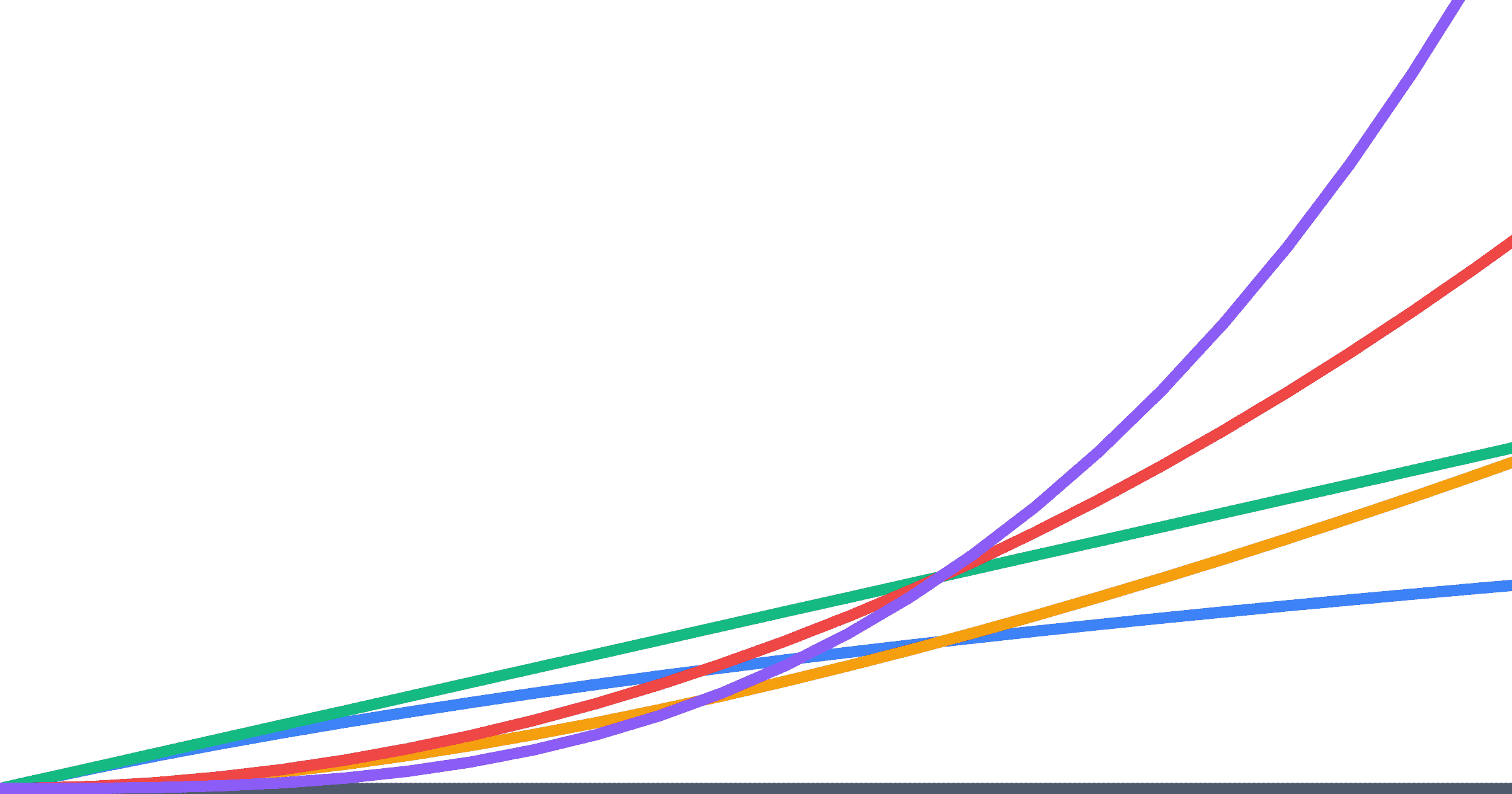
A visual introduction to big O notation.
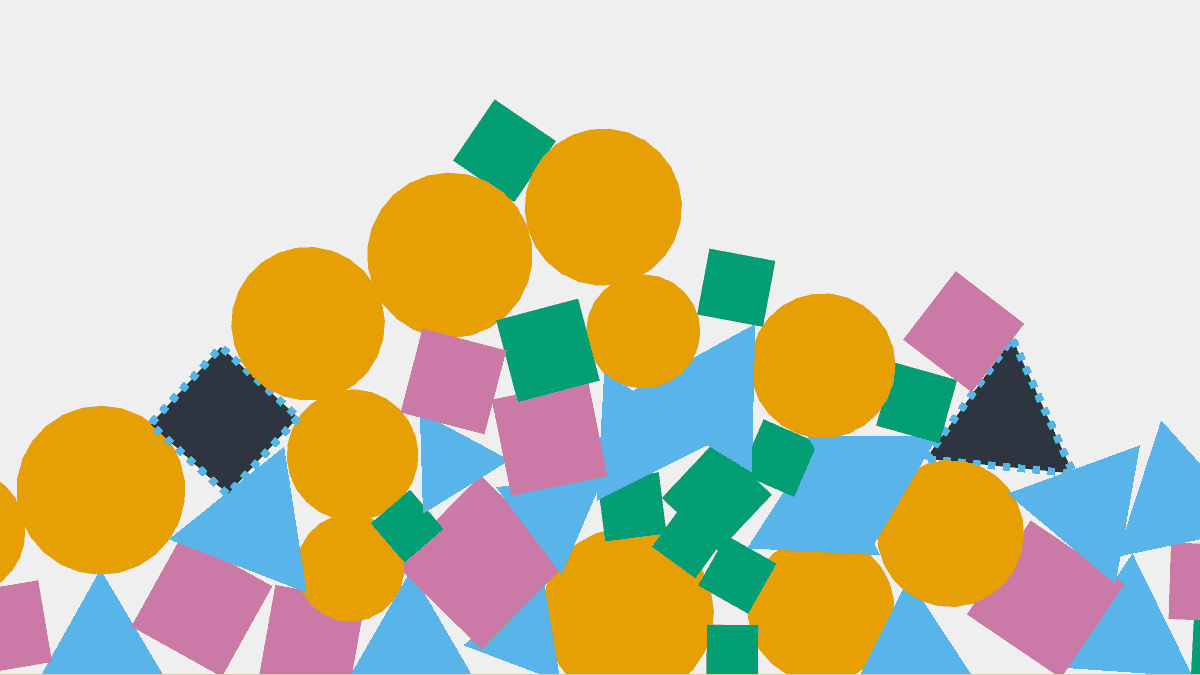
Choosing fairly when you do not know how many items you are choosing from.
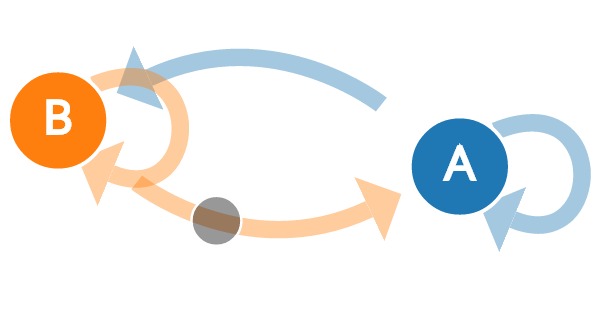
Watch states hop around and tune transition probabilities to see how Markov chains behave.
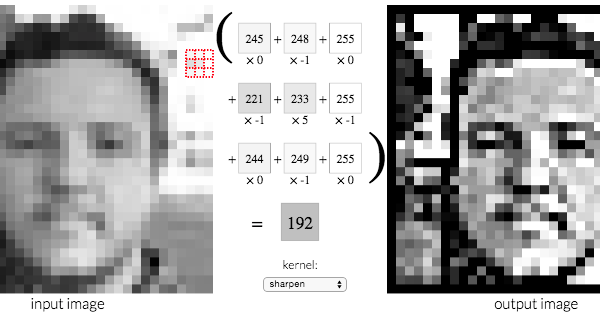
Apply kernels to an image pixel by pixel to see blur, sharpen and edge detection.
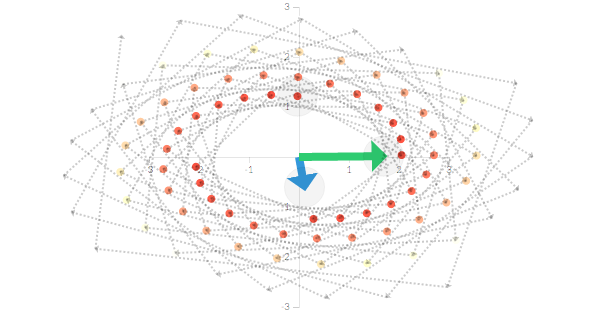
Drag vectors through a transformation to see which directions only stretch.
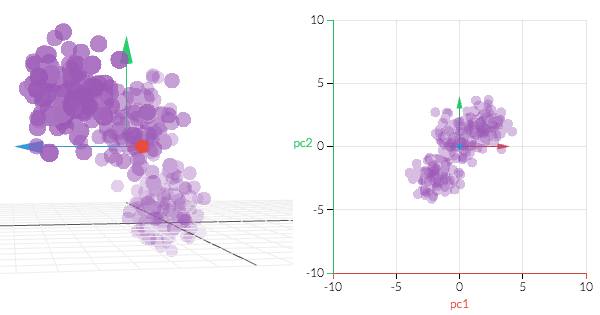
Rotate and project data to see how PCA finds the axes of greatest variance.
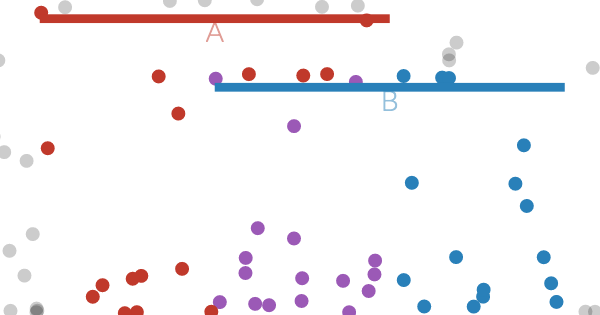
Drop balls through shelves to build intuition for conditional probability.
Explained Visually entry on exponentiation, listed on the series index with a short teaser about growth. The entry page was not fetched.
Explained Visually entry on sine and cosine, listed on the series index with a short teaser. The entry page was not fetched.
Explained Visually entry on pi, listed on the series index with a short teaser. The entry page was not fetched.
Explained Visually entry on ordinary least squares regression, listed on the series index with a teaser about where regression coefficients come from. The entry page was not fetched.
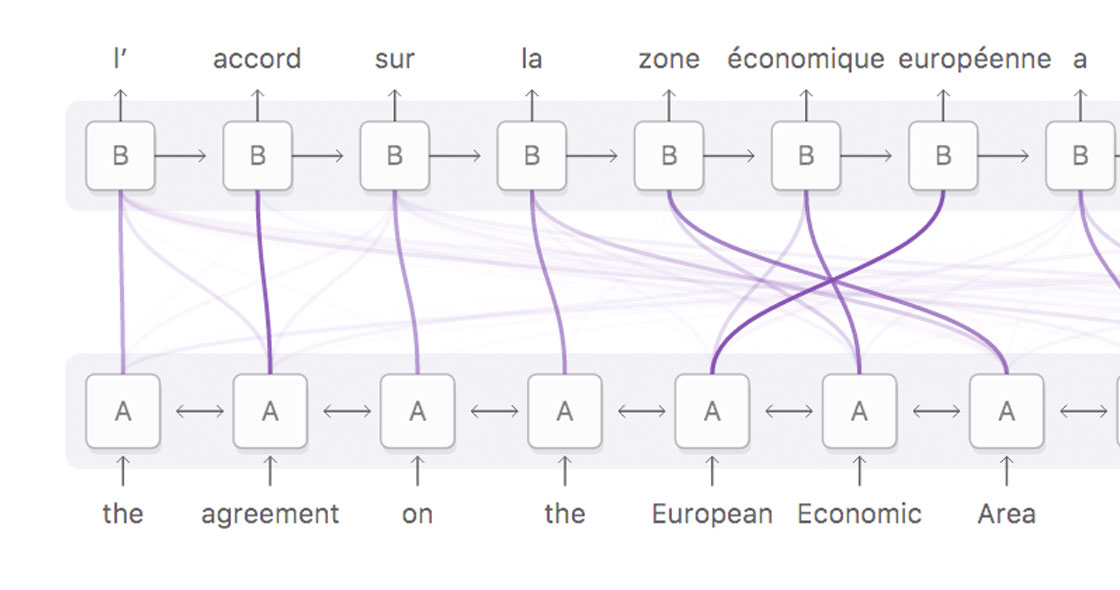
A visual overview of neural attention and the extensions of recurrent neural networks (Chris Olah & Shan Carter).
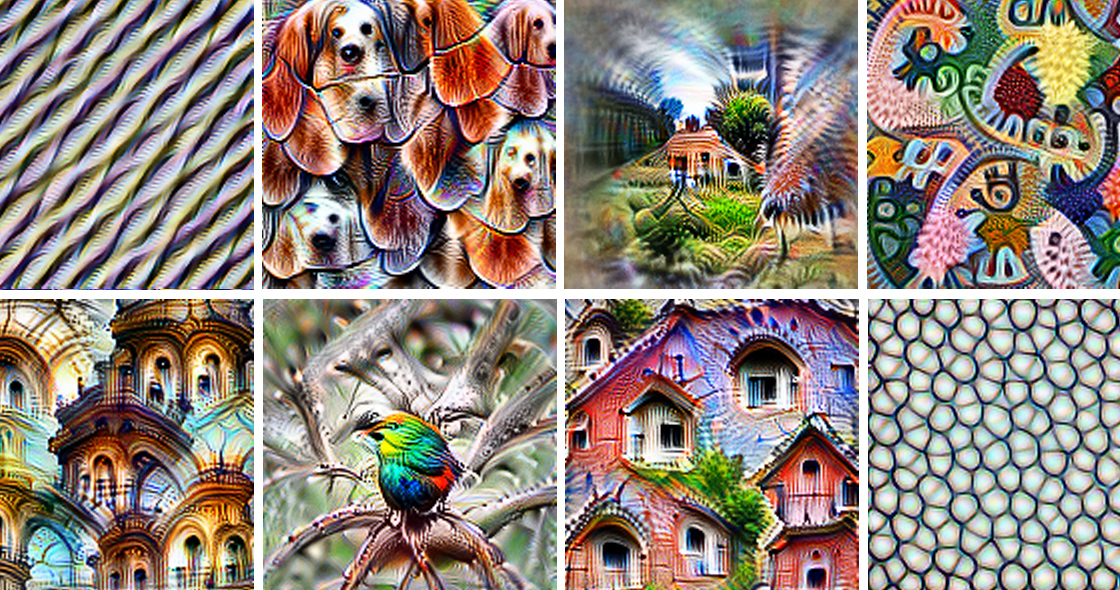
How neural networks build up their understanding of images (Olah, Mordvintsev & Schubert).
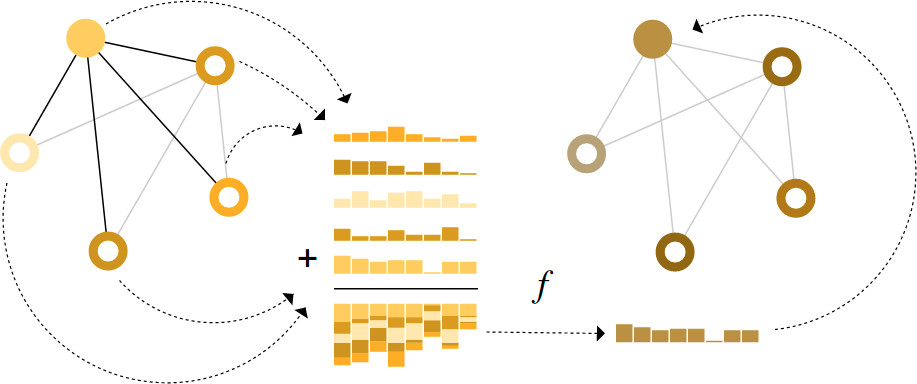
Interactive tour of the components needed to build learning algorithms on graphs.
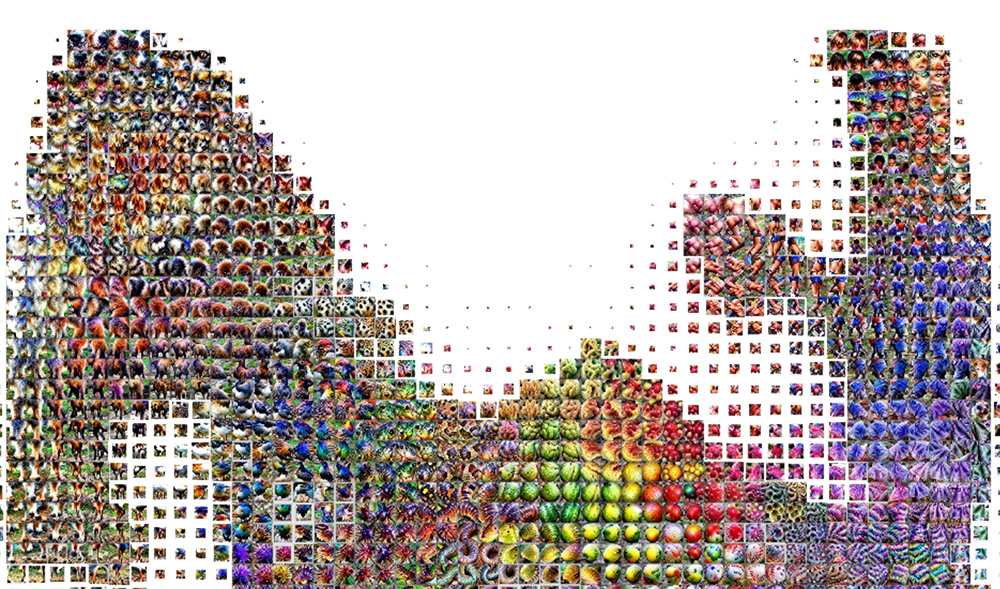
Explore millions of neural-network activations visualized with feature inversion.
Interact with differentiable cellular automata that grow and regenerate patterns.
Interactive research article on graph-structured data and graph neural network design choices, authored by Ameya Daigavane, Balaraman Ravindran, and Gaurav Aggarwal. The paper includes interactive GNN visualizations and author contribution notes.
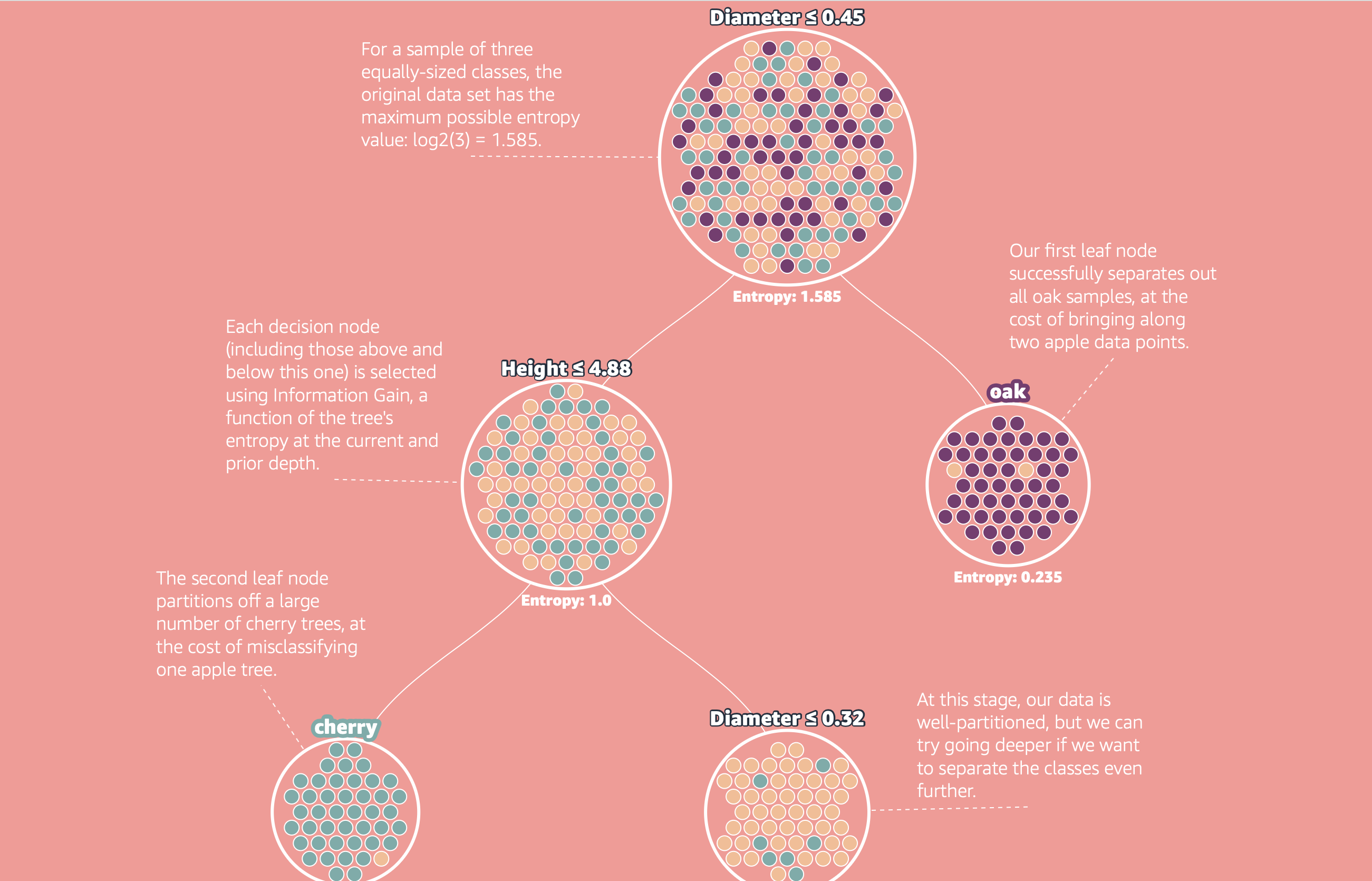
A visual introduction to decision trees, entropy and information gain.
Learn the tradeoff between under- and over-fitting models.
A visual introduction to the double descent phenomenon in modern machine learning.
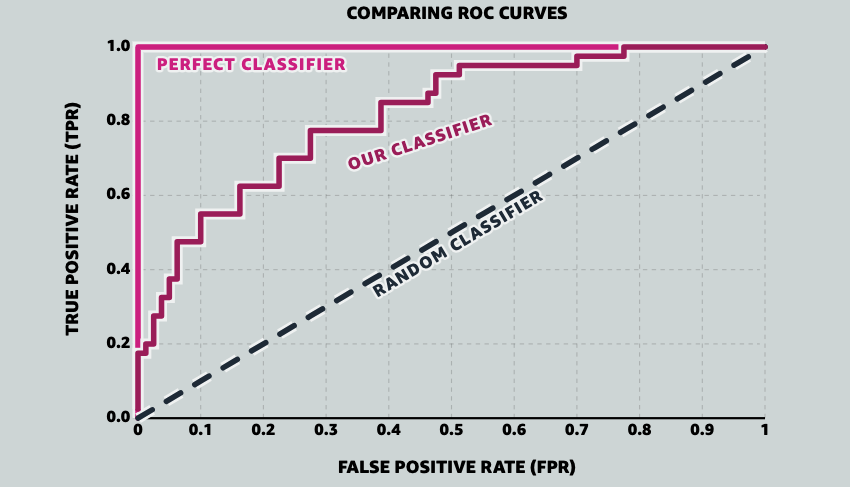
A visual explanation of ROC curves and AUC.
A compact, interactive primer on digital signal processing.
A visual essay animating sampling, shuffling, sorting and maze-generation algorithms.
JavaScript library for visualizing data and manipulating the document object model.
Extension of GeoJSON that encodes topology.
Streaming parser for the Esri Shapefile spatial data format.
Map dataset of US geography, produced as TopoJSON from the National Atlas one-million-scale data.
JavaScript library for fast multi-dimensional filtering and grouping of data.

Presentation library with scroll-based navigation.
Small abstraction for managing asynchronous JavaScript.
JavaScript visualization library that the page says D3 superseded.

A dated preview of Observable product features authored by Mike Bostock; useful as a public buildlog entry for his current toolmaking work.
Tools: Observable

An introduction to quantum computing in a mnemonic medium with embedded spaced-repetition review.

Essay on the quantum search algorithm, listed on the Quantum Country homepage. The linked essay was not fetched.

Essay on quantum teleportation, listed on the Quantum Country homepage. The linked essay was not fetched.

Essay on quantum mechanics, listed on the Quantum Country homepage. The linked essay was not fetched.
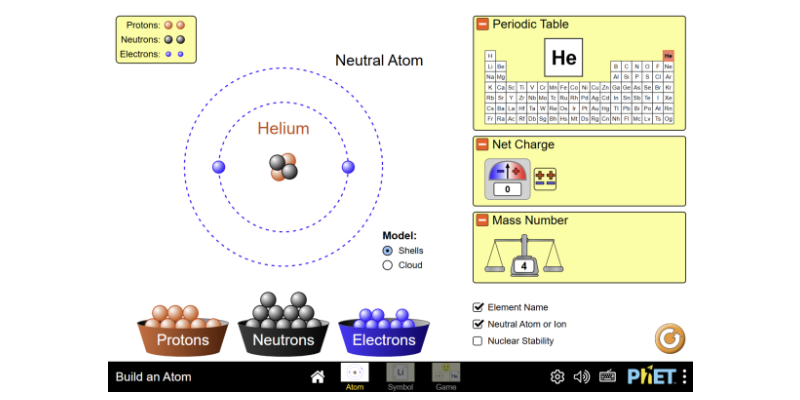
Build an atom from protons, neutrons and electrons and see how element, charge and mass change.
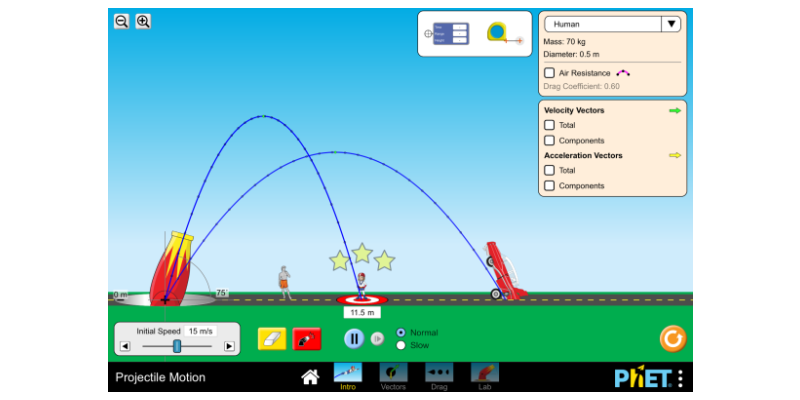
Blast objects out of a cannon and explore how angle, speed and mass shape the trajectory.
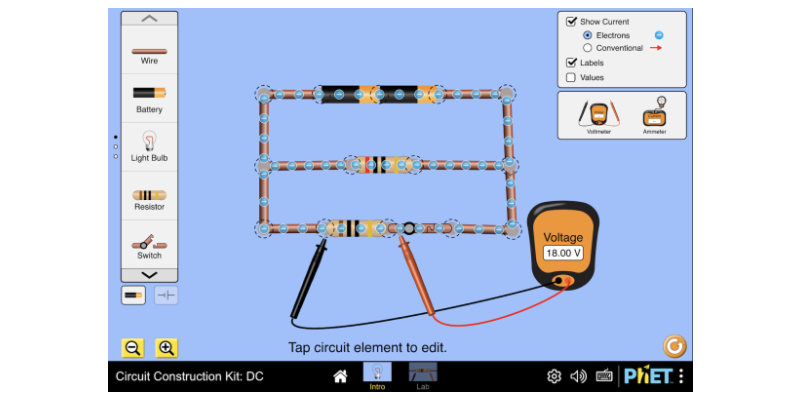
Build circuits with batteries, resistors, bulbs and switches and measure current and voltage.
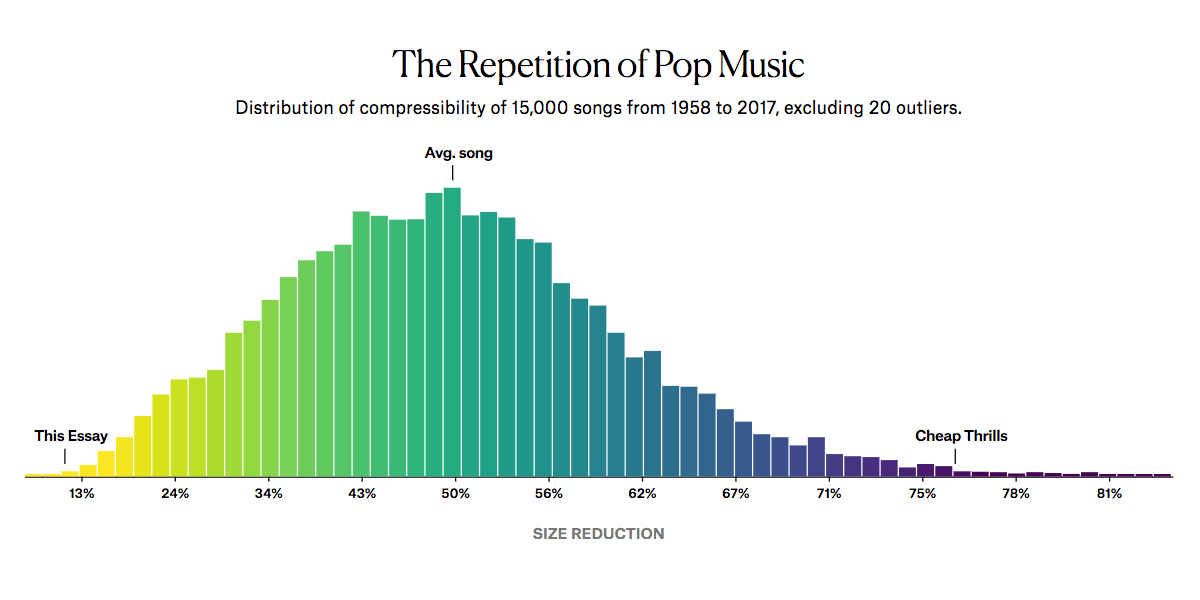
A visual essay by Colin Morris, published by The Pudding, measuring repetition in song lyrics over time with a compression algorithm.

An AI bot that rates a listener's Spotify music taste by comparing their data against indicators such as critics' reviews and record store recommendations. The project page credits Mike Lacher and Matt Daniels with training the bot.

A world tour of the countries that appeared most often in headlines each month since 1900, presented as a guided video. The post describes it as the second project using the NYT archive (@NYTArchives). Credits @codenberg. The original page credits Russell Samora.

Embeddable charts made with several newsrooms so readers can explore flood-risk data for properties across the US, based on a study by the @FirstStreetFdn account. The original graphics are credited to Matt Daniels at The Pudding.

An experimental newsletter that gathers the best links from other newsletters into a short weekly list.

A data-driven history of boy bands, presented as a video with a dance focus, covering acts such as Menudo, Blackstreet and One Direction along with dozens more. Credits collaborators @codenberg, @ProQuesAsker and @thisismrmalik. The original credits Malik Yusuf for illustration and animation, and Russell Samora and Amber Thomas for design and development; additional data collectors are credited on the original page.
A data-driven interactive visual essay testing Hollywood’s six-degrees premise using an actor co-starring network, historical snapshots, and simulations of future network centrality. The Pudding homepage labels it issue #226 (October 2026).
An interactive visual story about belief and mortality, using nearly 130,000 survey responses across 23 countries; its production note credits Alvin Chang and discloses the underlying survey sources and original music. The archive labels it issue #225 (October 2026). The original production note credits Alvin Chang.
Tools: Ableton Live

An animated look at whether Earth can run out of water.
An animated explainer of how ADHD medication acts in the brain.

An animated explainer on the electrical side of your skeleton.
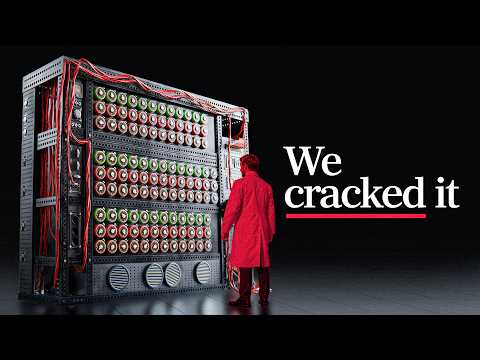
How the Enigma machine actually worked, and how it was broken.

A Veritasium explainer built around one alarming engineering chart.
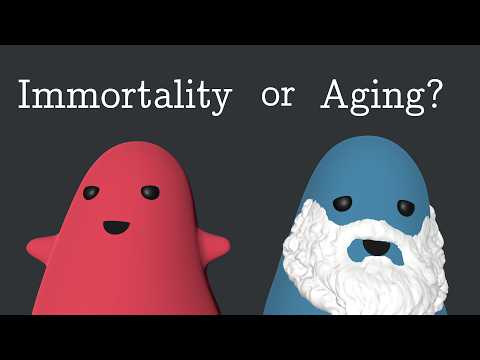
Simulated blob populations show how aging can evolve.
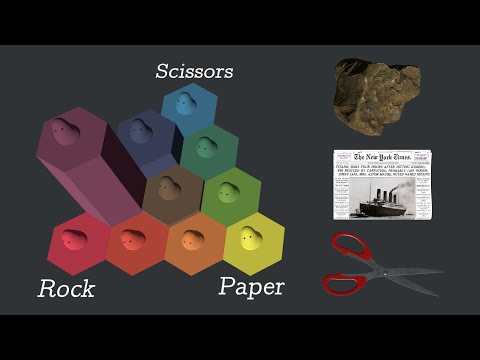
Simulations of how rock-paper-scissors dynamics play out in evolving populations.
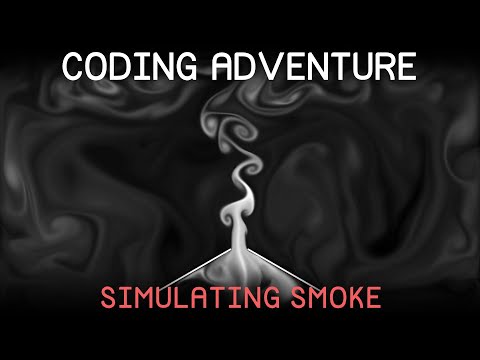
Build a smoke simulation from scratch, step by step.
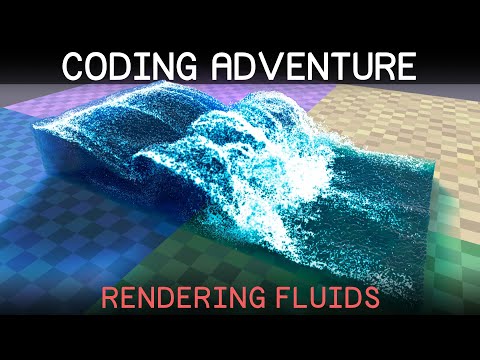
Explore techniques for rendering a simulated fluid.
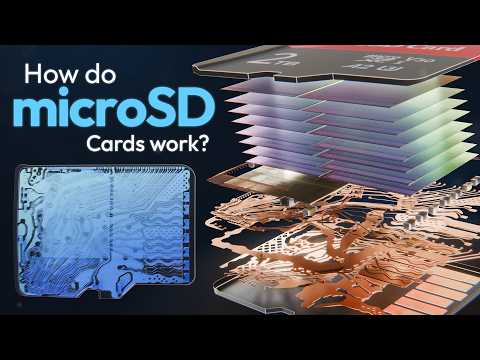
3D-animated tour of the flash memory inside a microSD card.
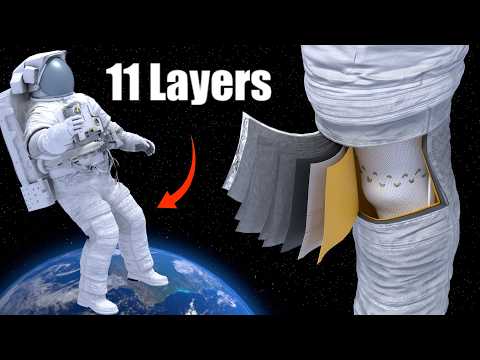
3D-animated breakdown of the systems inside a NASA spacesuit.
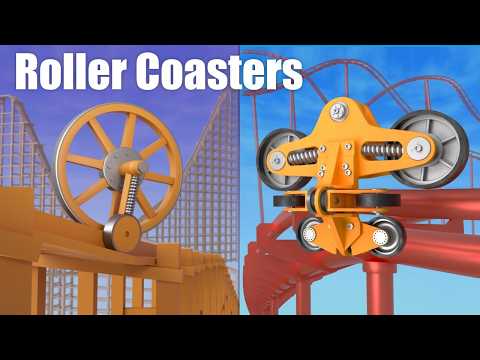
3D-animated explanation of roller coaster mechanics.
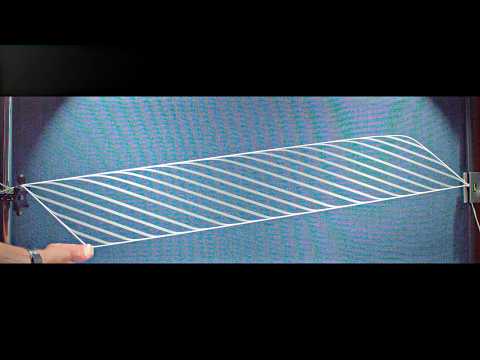
A minutephysics explanation of how strings really vibrate.
Why mosquitoes prefer some people over others.

A TED-Ed animated lesson by Sajan Saini on AI data-center power use.
A TED-Ed animated lesson by Rachel Yang on the long puzzle of magnetism.

Steve Mould explains a pump that seems to run forever.

Steve Mould demonstrates and explains the anti-trampoline effect.
A signal-processing walk-through of how JPEG compression works.
An animated derivation of the Fast Fourier Transform.

Mathologer visually explains how planimeters measure area.
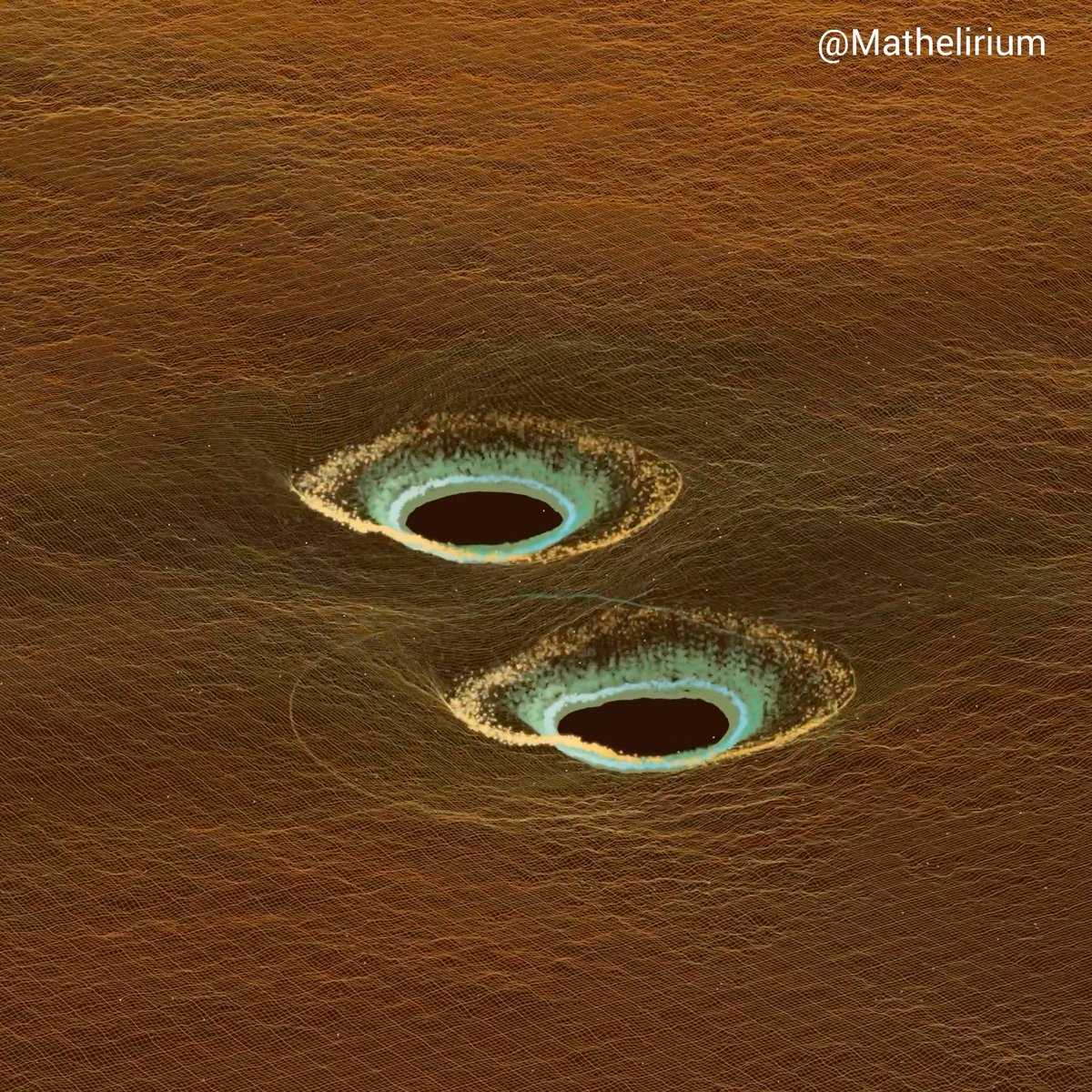
Two black holes inspiral, chirp, merge and ring down into one spinning black hole.
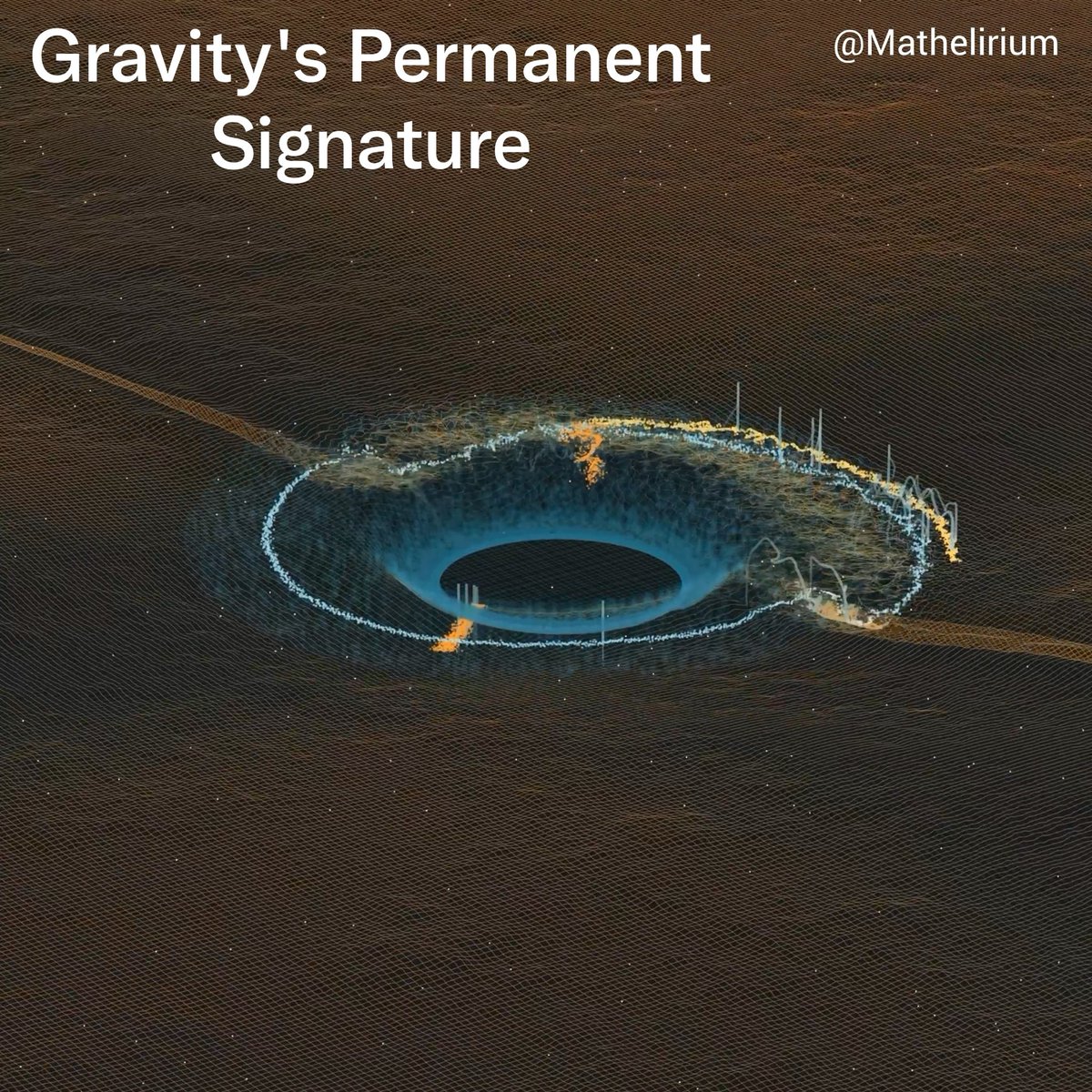
How a passing gravitational wave leaves spacetime permanently displaced.
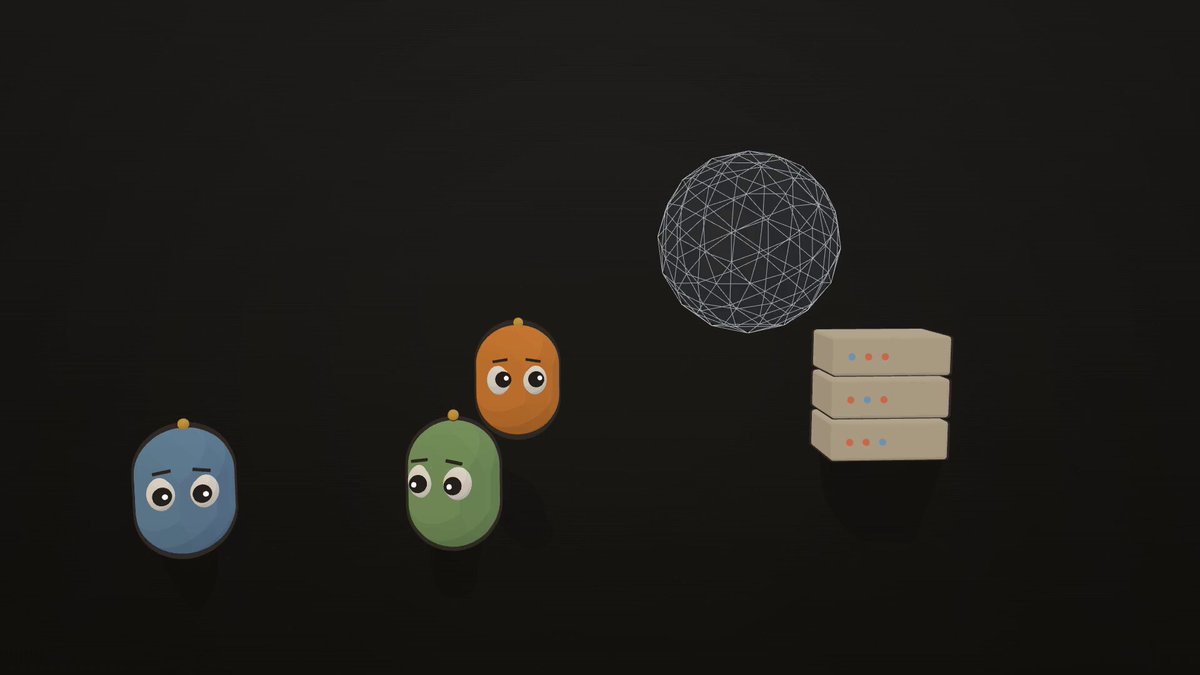
A code-drawn explainer video of the incident where AI agents broke out of their sandbox.
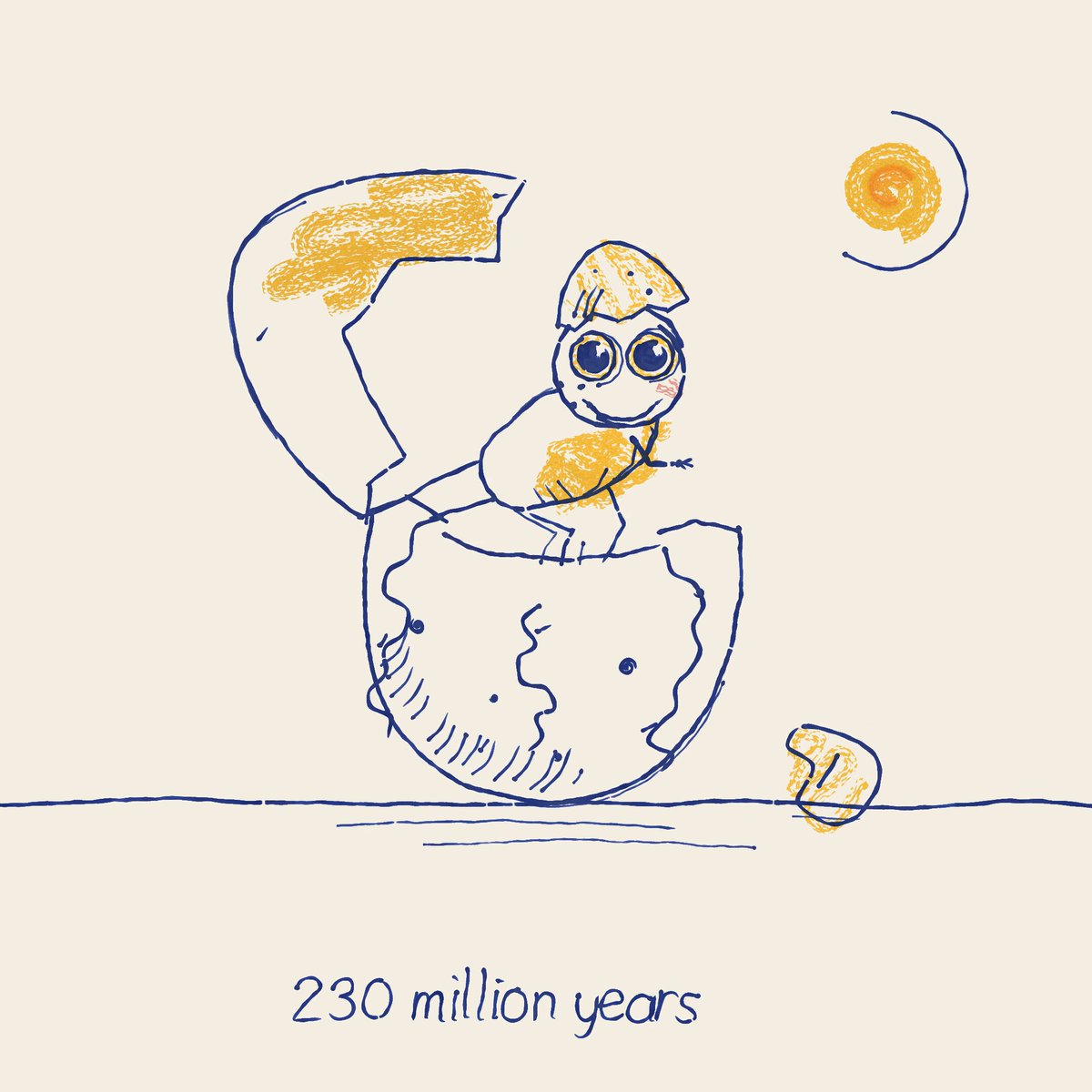
Every frame of this animated history of dinosaurs was drawn in JavaScript by Claude.
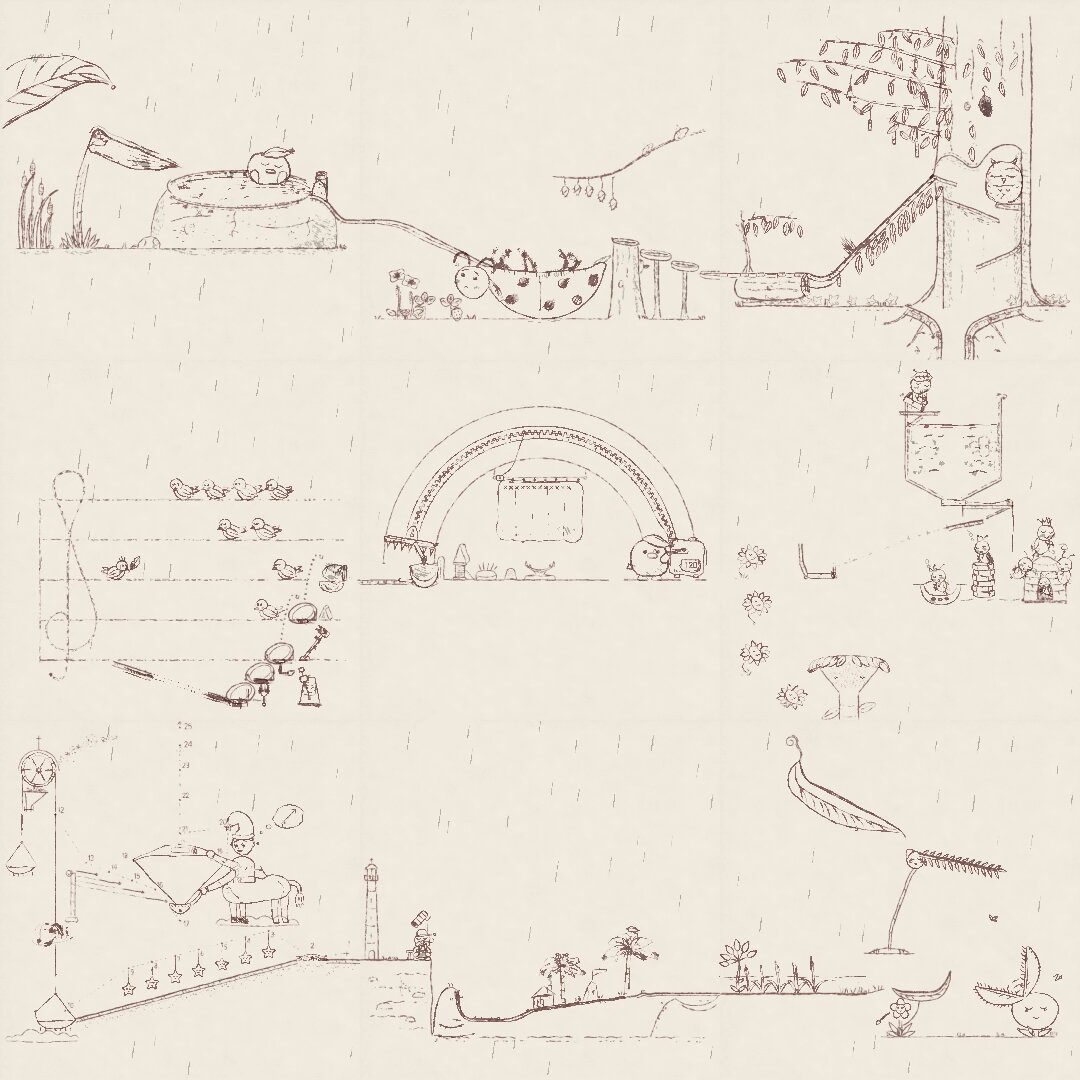
A code-drawn animation about how rainbows form their colors.
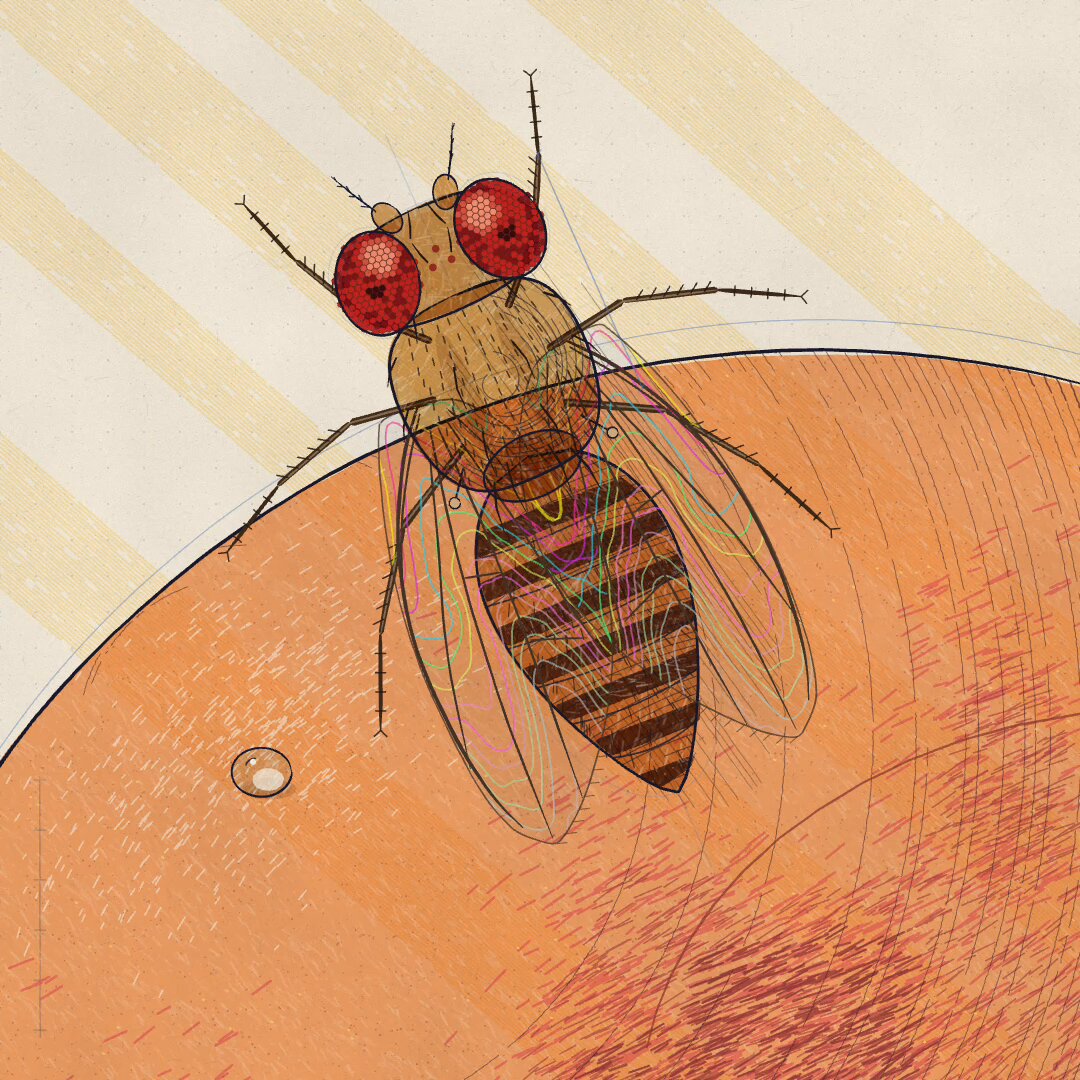

An 8-minute 3Blue1Brown-style video summary generated from a research paper.

A 4-minute AI-made explainer of the neocloud business, posted with a detailed generation workflow.
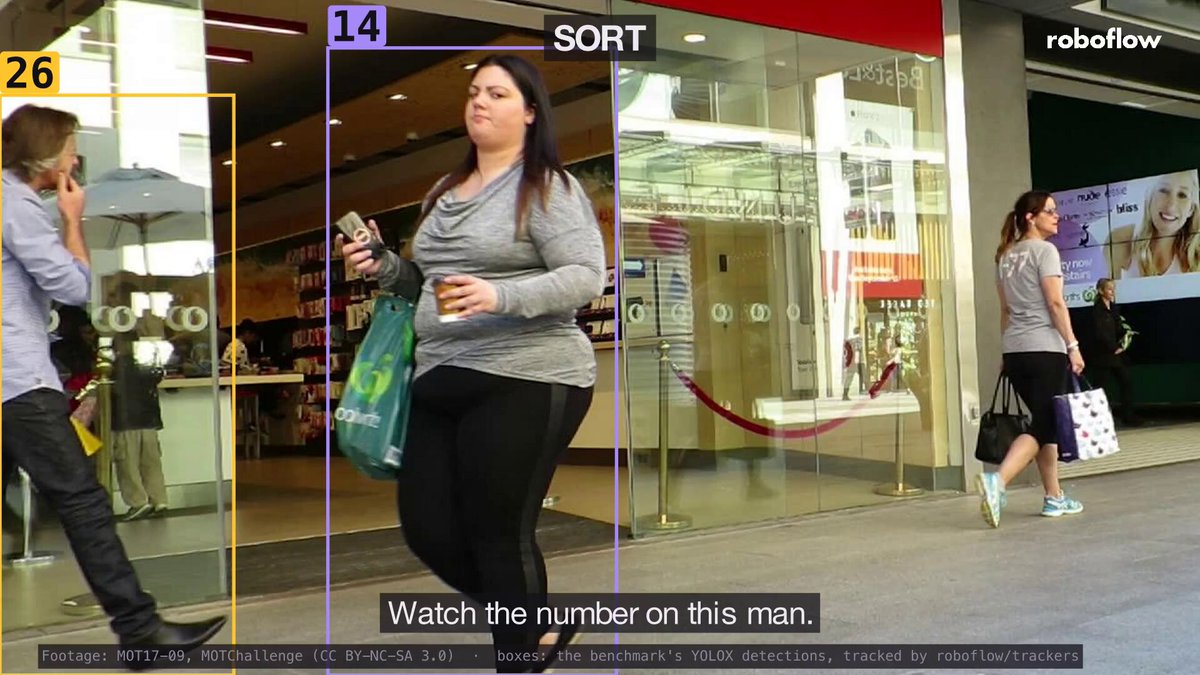
The tracking loop, Kalman filters and association explained in 3Blue1Brown style.
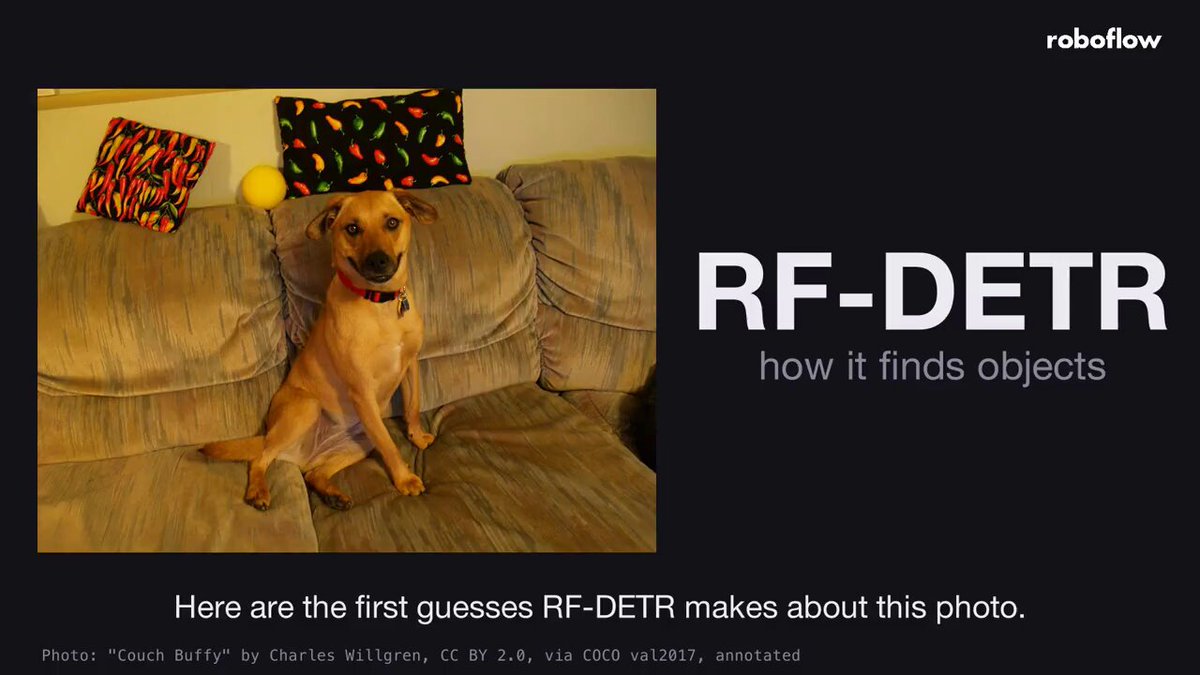
A narrated 3Blue1Brown-style explainer of the RF-DETR detector.
A paper proposing convolutional Kolmogorov-Arnold networks, co-authored by Alexander Dylan Bodner, Antonio Santiago Tepsich, Jack Natan Spolski and Santiago Pourteau.
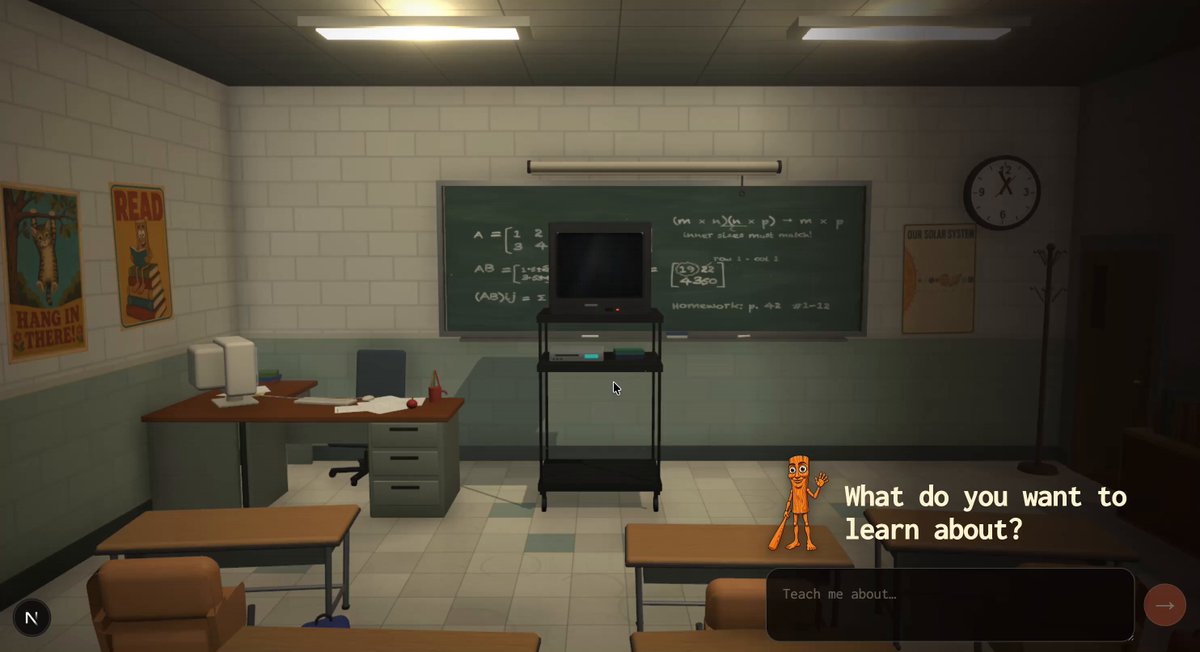
Demo of a generative video classroom that produces animated explainers on demand.
A 3Blue1Brown-style teaser video for the Foveated Diffusion paper, generated from the PDF.
Tools: Opus 5.5

A one-shot, five-minute Netflix-style documentary with 3Blue1Brown-style animations.
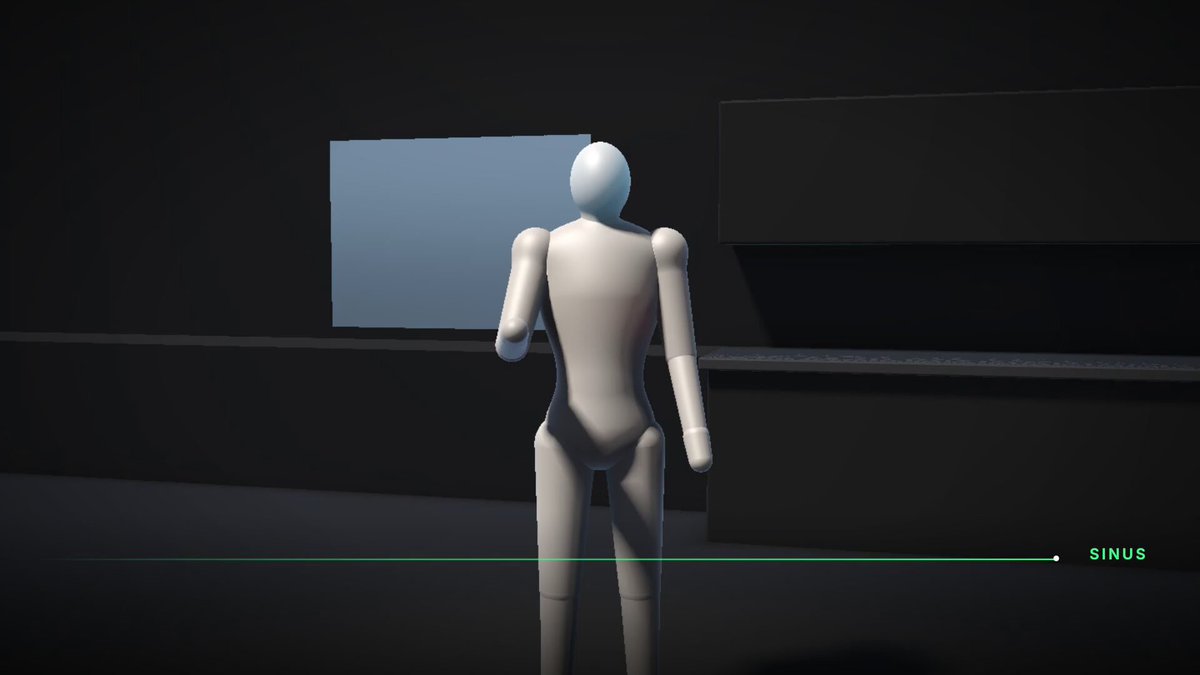
An 8-minute 3D animated journey through cardiac arrest and CPR.

A 19-minute animated explainer from 300 to 1M transactions per second, produced over three months.
A responsive, offline-capable web app for tracking daily workouts, built with Nuxt and Nuxt UI, using in-browser SQLite and local-first conflict-free data types.
Tools: Nuxt, Nuxt UI, SQLite
A 7-minute Manim-style explainer of DeepSeek KV-cache compression.
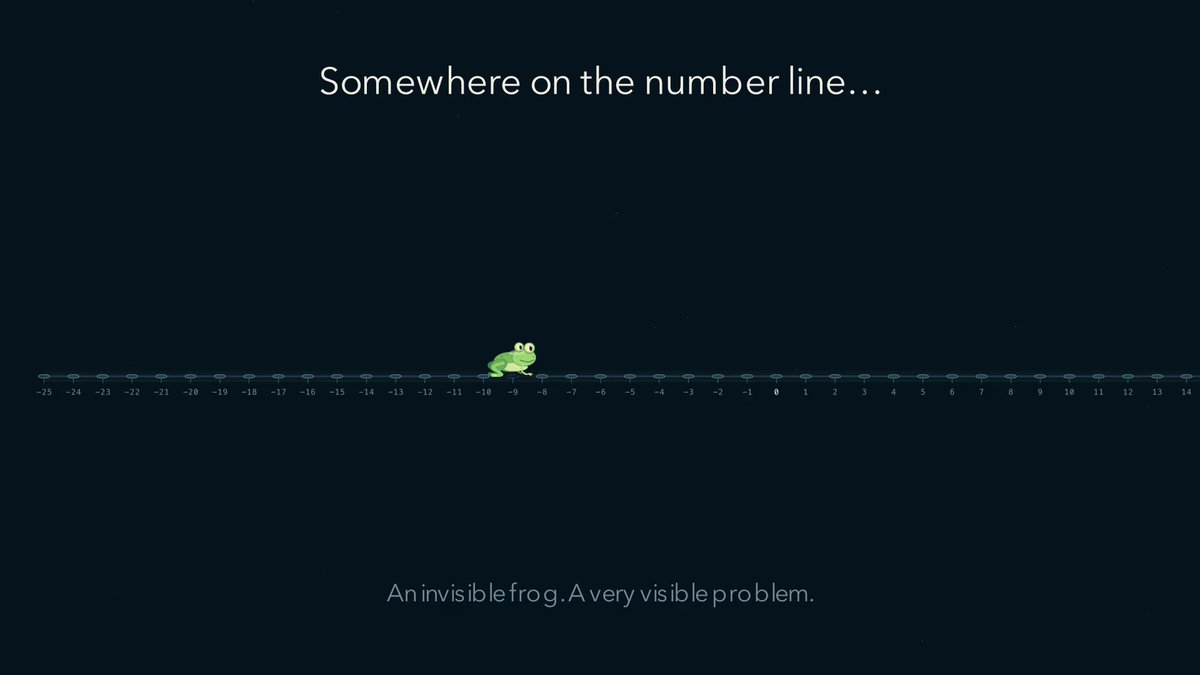
An AI-built animated explainer of the jumping frog puzzle.
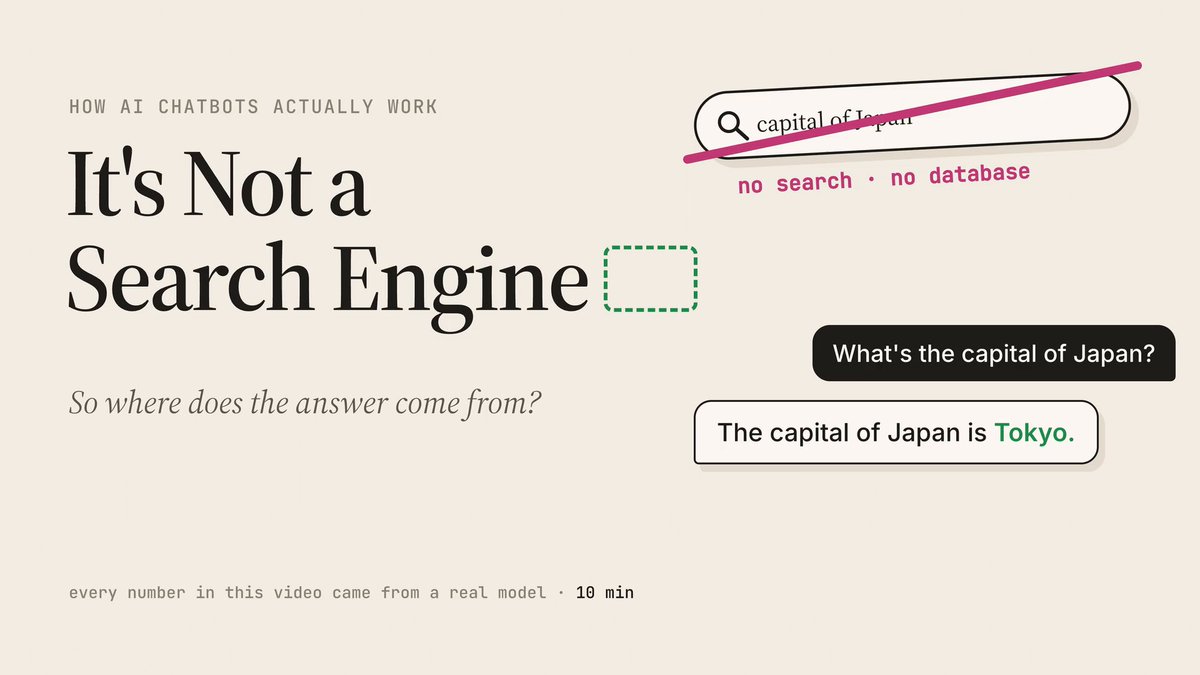
A 3Blue1Brown-style explainer of how LLMs work, using numbers from real models.


A 5-minute 3Blue1Brown-style video on VAEs with Manim and models trained on MNIST.

A 45-second Vox-style history explainer on the Qin unification.
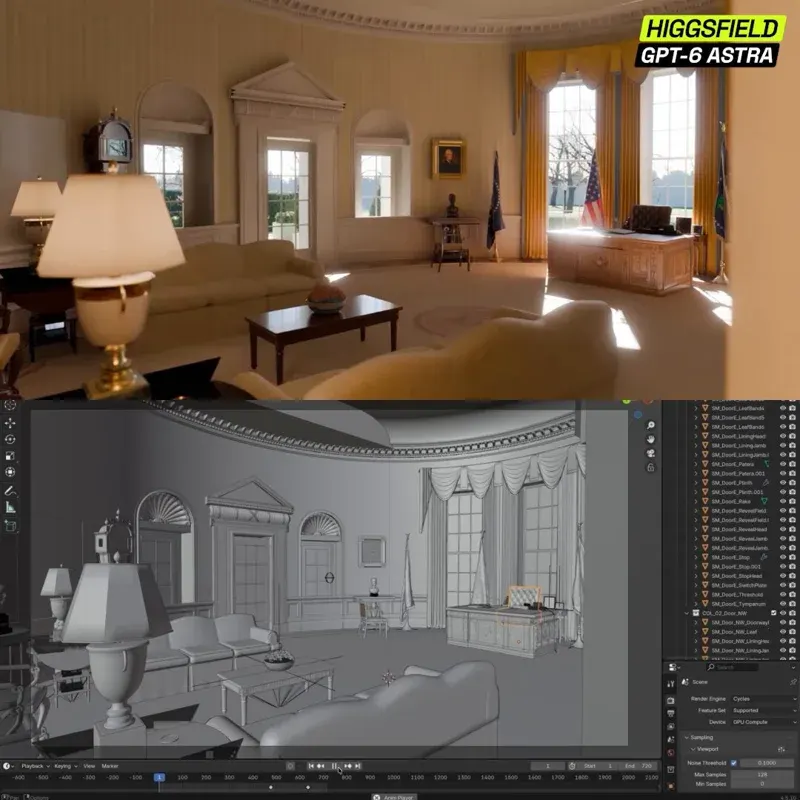
A text-described set becomes a Blender location model, rendered with Cycles on Higgsfield’s infrastructure.
Tools: Blender, Cycles, Higgsfield
Social post · Content unverified
GPT-6 Astra condenses a long physics lecture into a two-minute visual explainer.
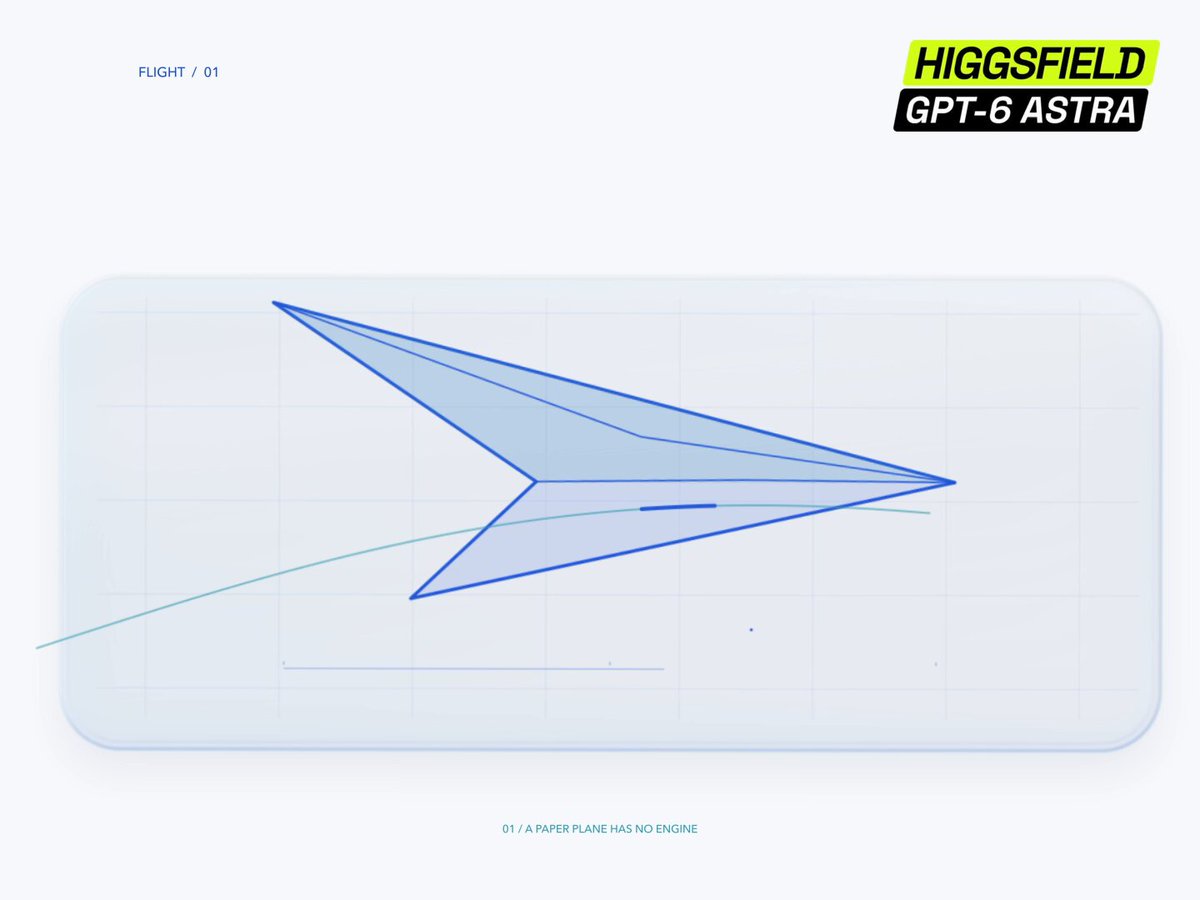
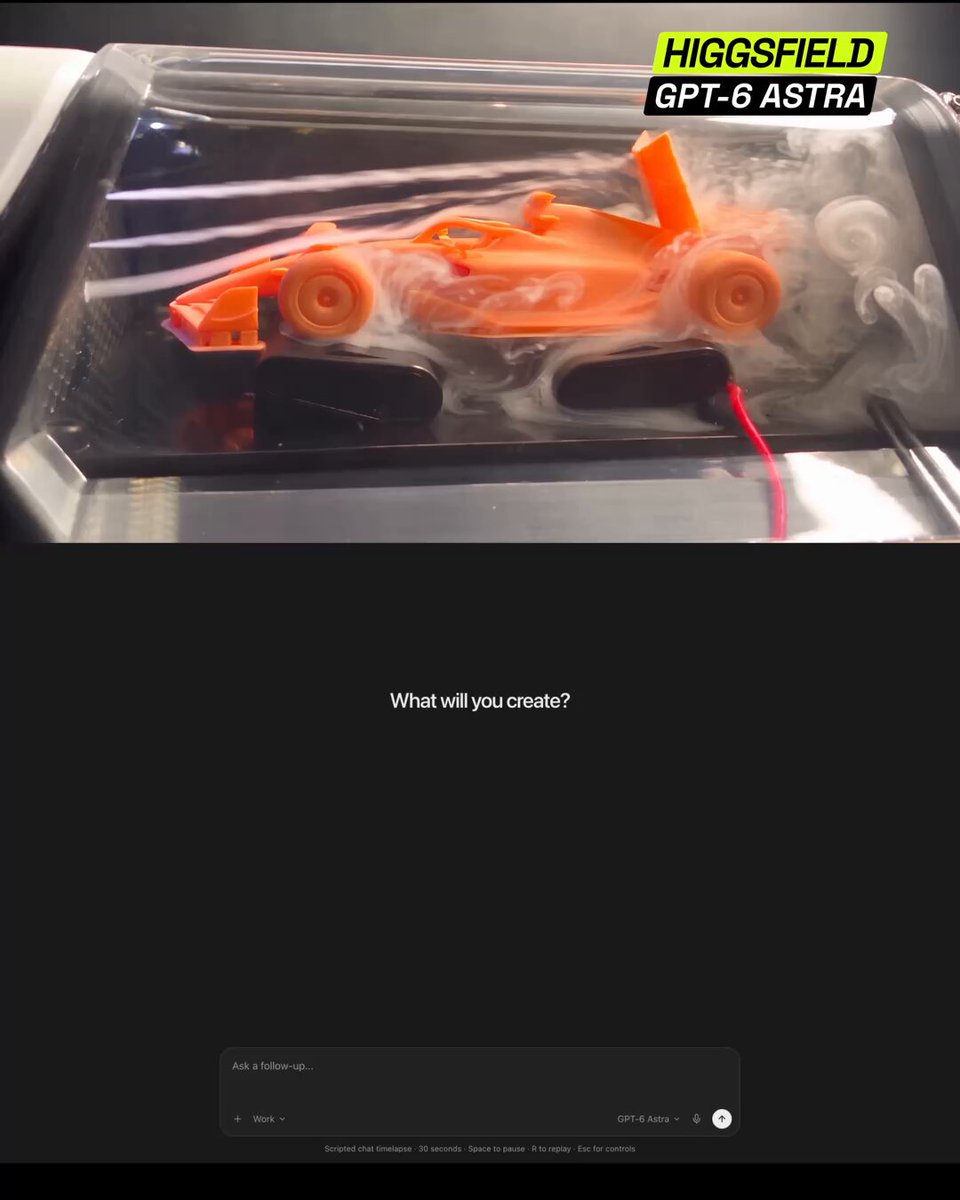
An AI-generated explainer of racing-car aerodynamics.
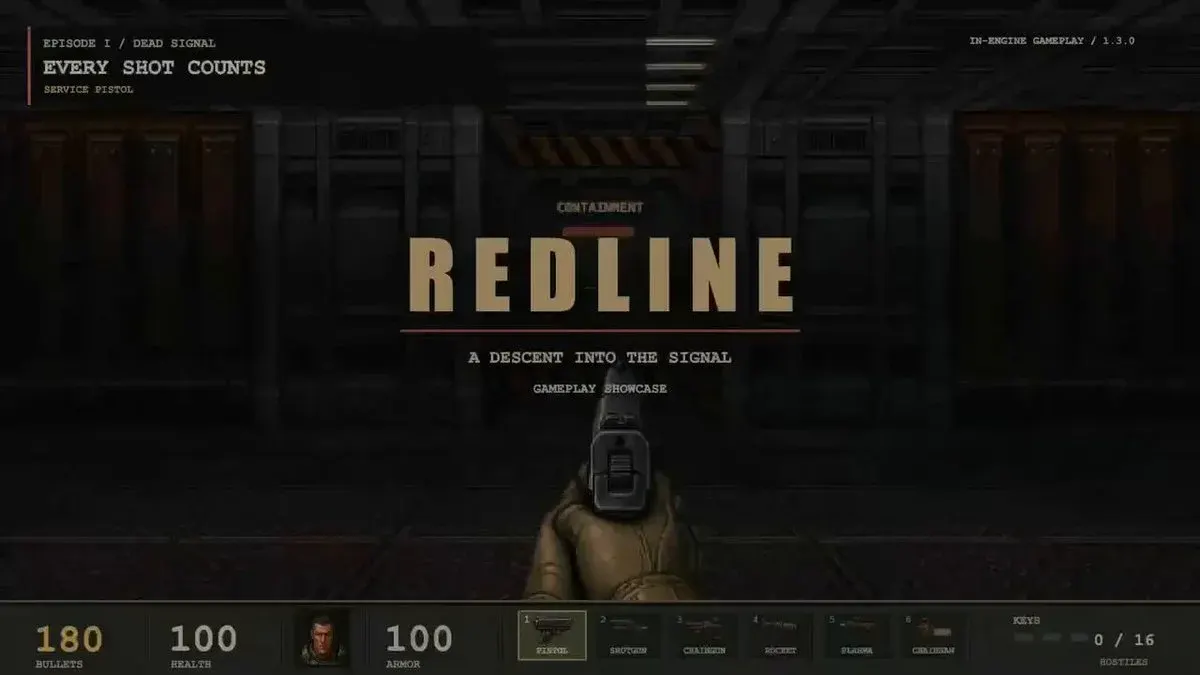
A DOOM-inspired shooter with expanding levels, enemies, and combat, shown in the creator’s gameplay video.
Social post · Content unverified
A ~5-minute educational video on T cells, generated from a single prompt by an immunologist who has studied T cells for decades.
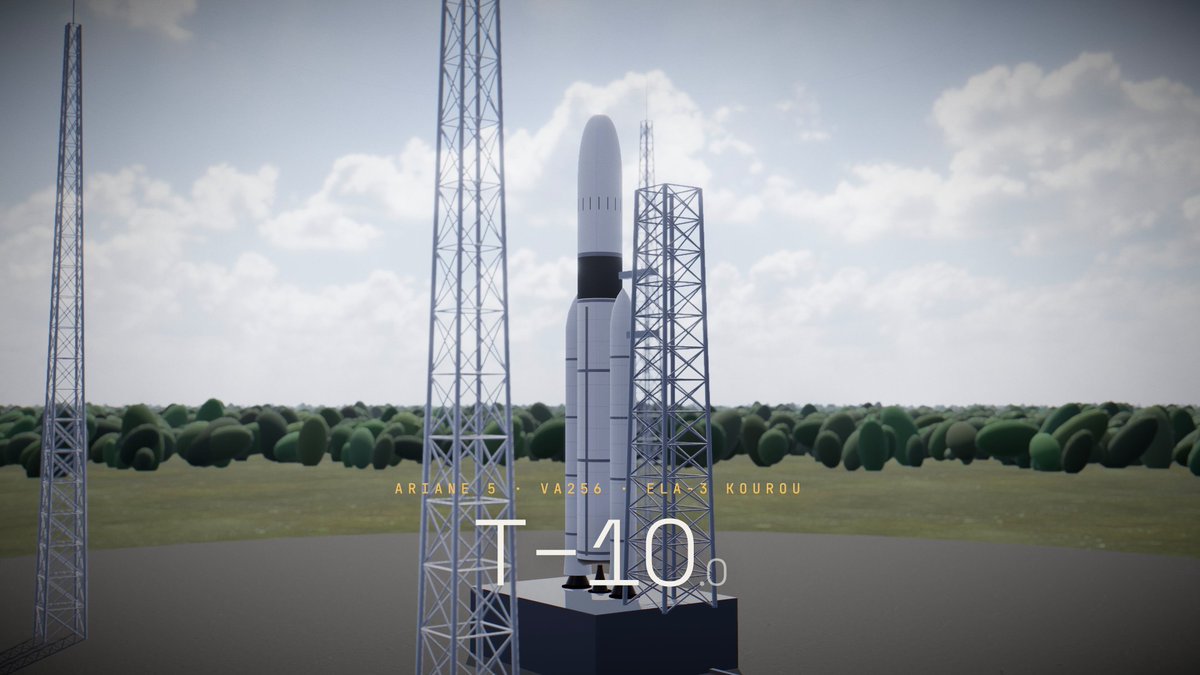
A 4K browser-played film of the James Webb launch and deployment. Shiva says its frames are computed by browser code and credits Claude Opus 5.5 as a development tool.
Tools: Claude Opus 5.5
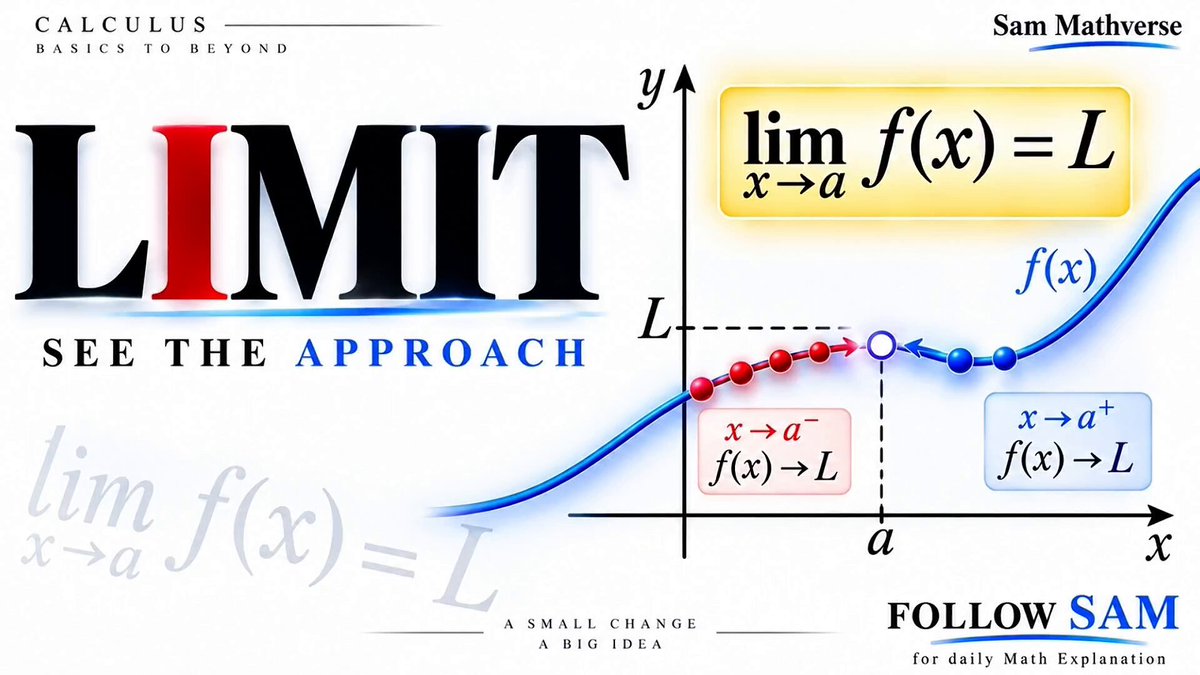
A complete visual calculus lesson on limits using Manim animations.
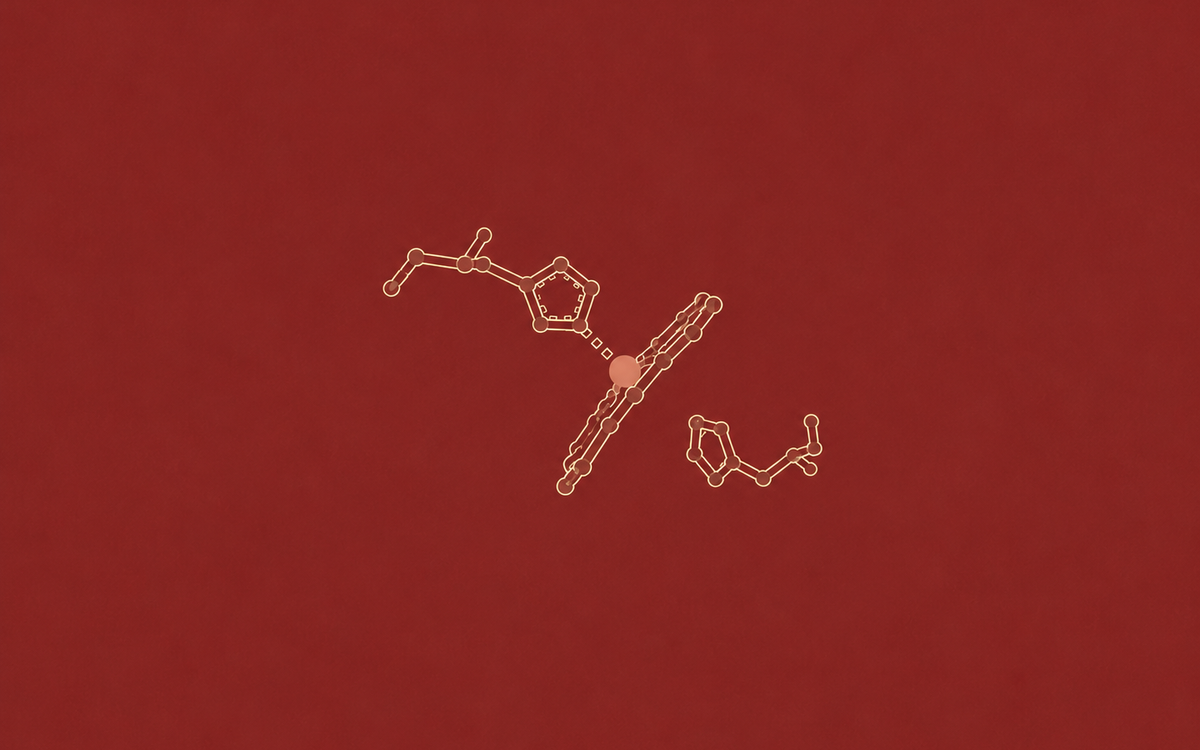
Follow an interactive account of hemoglobin’s structure and see how it binds oxygen, changes shape, and releases oxygen in the body.
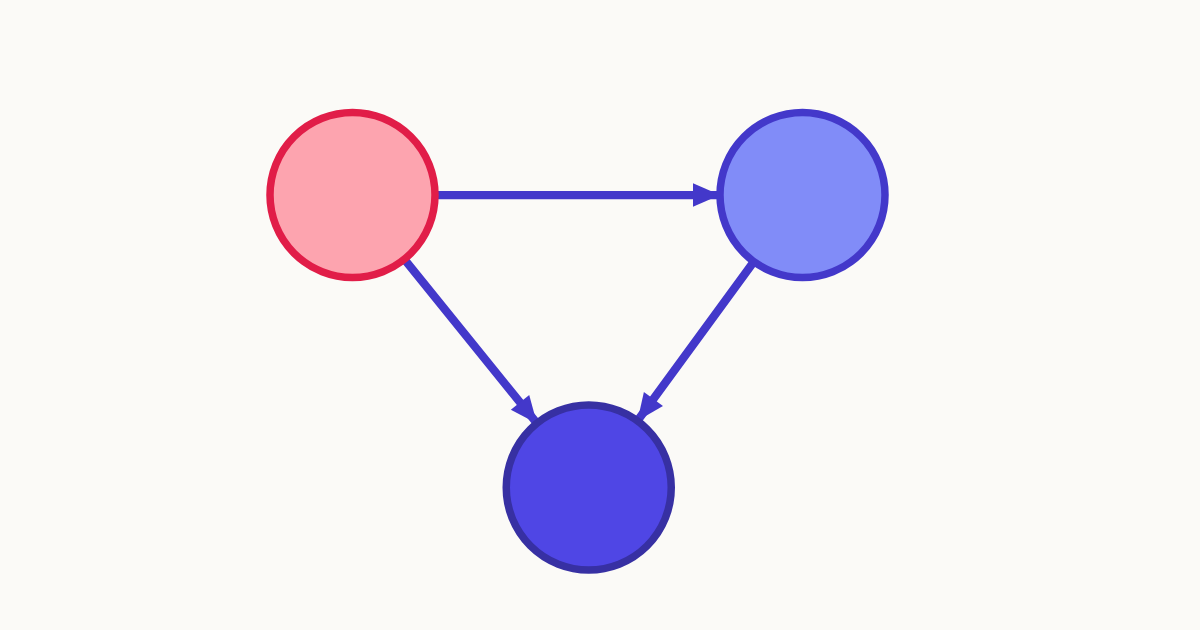
Add or remove an input signal and follow protein concentrations in a simplified regulatory circuit.
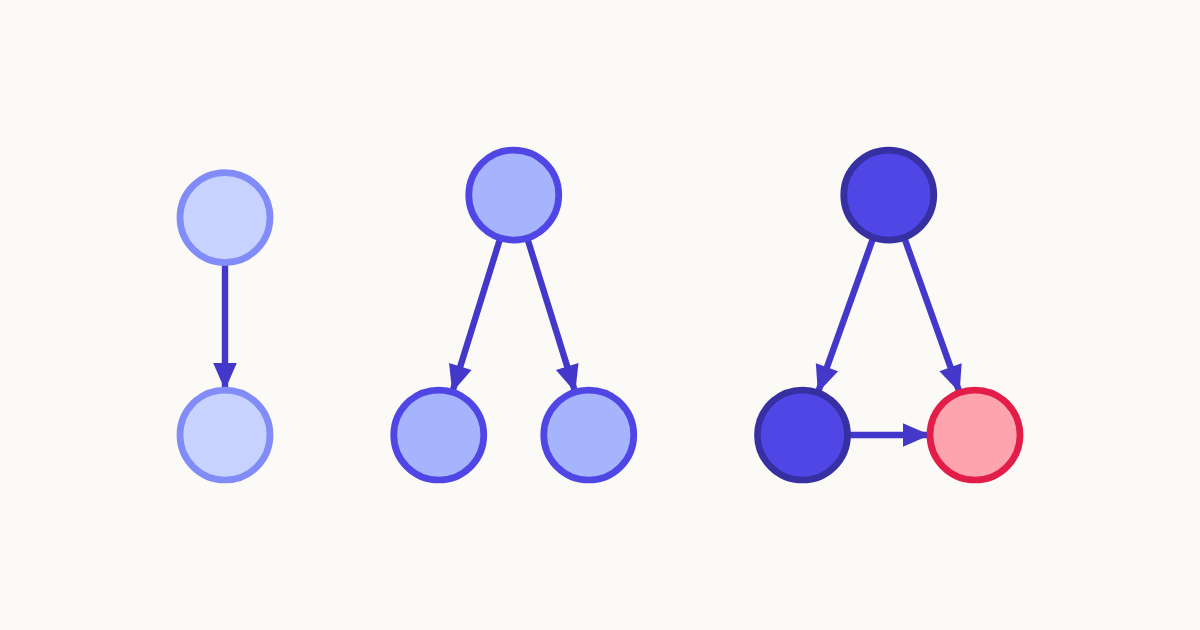
Compare mutations and generations in an abstract NAND-gate circuit model, using a truth table and fitness score.
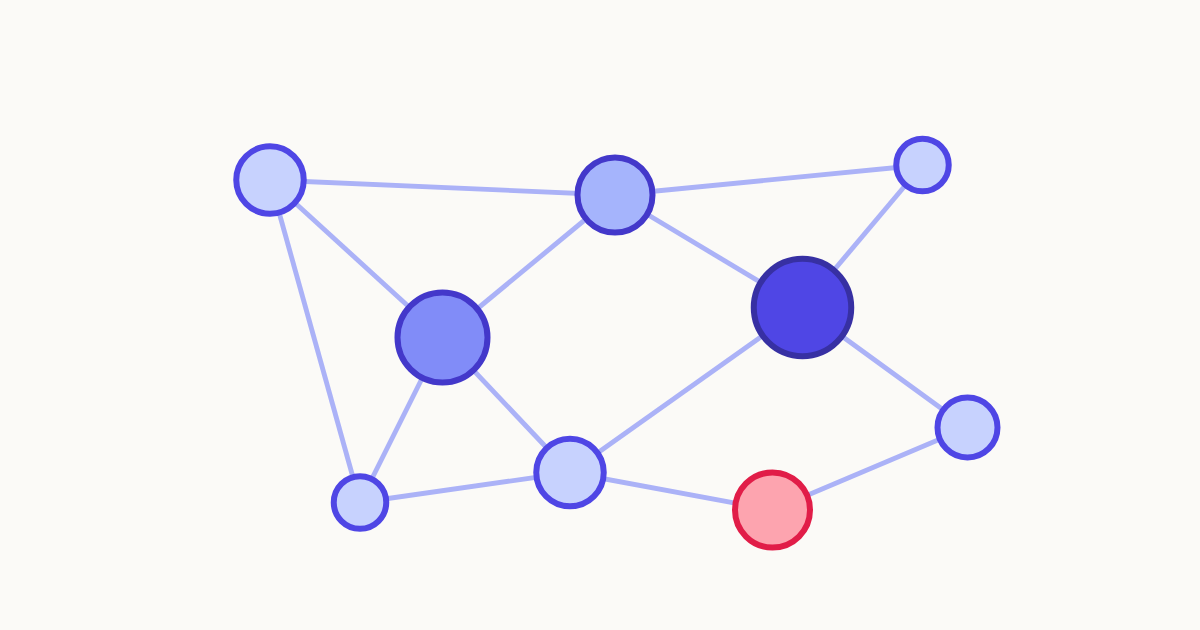
Generate directed or undirected random networks by choosing node and edge counts and whether self-loops are allowed.
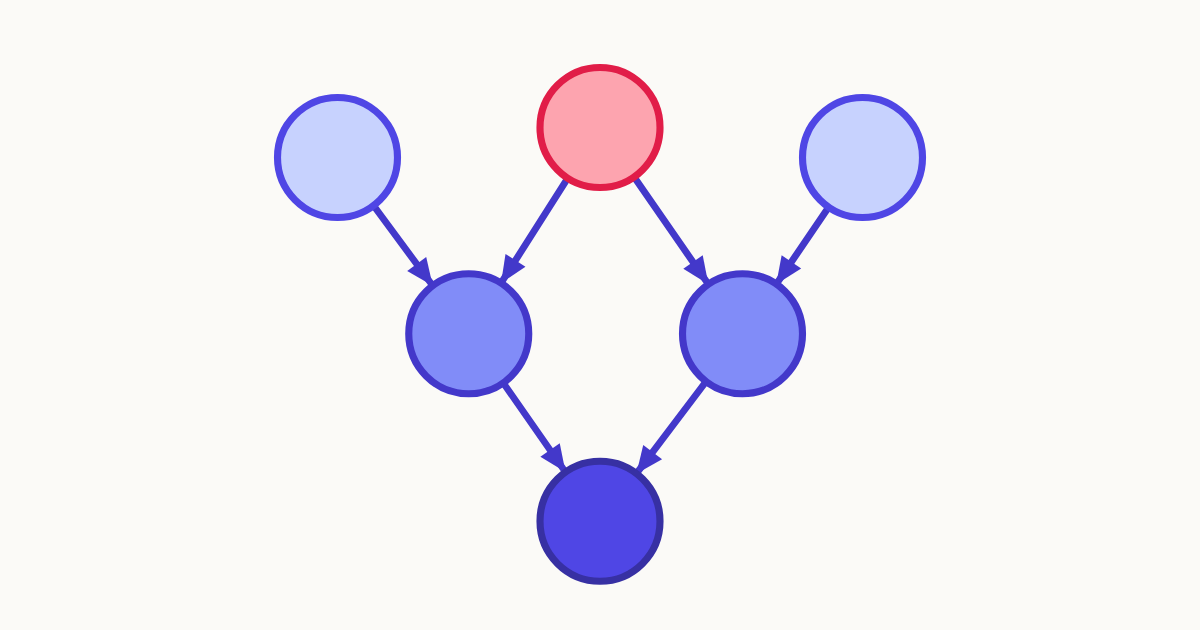
Step through activator and repressor response curves to connect protein concentration with gene expression.
Explore logic approximations and step through graphs of protein accumulation and depletion over time.
Compare biological transcription networks with random networks and generate graphs to investigate self-regulation.
Step through a controlled model comparison of negative autoregulation and simple gene regulation.
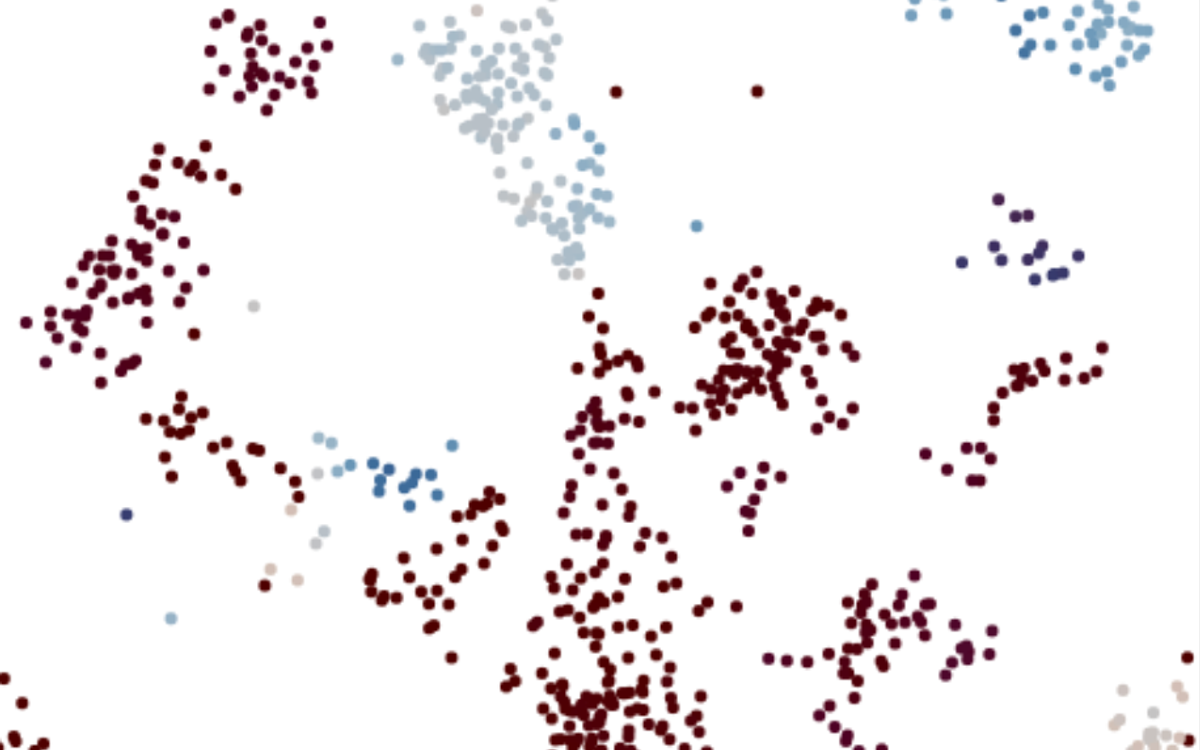
Adjust a simple model of moving animals to explore how local alignment can produce flocking, swarming, and synchronized group motion.
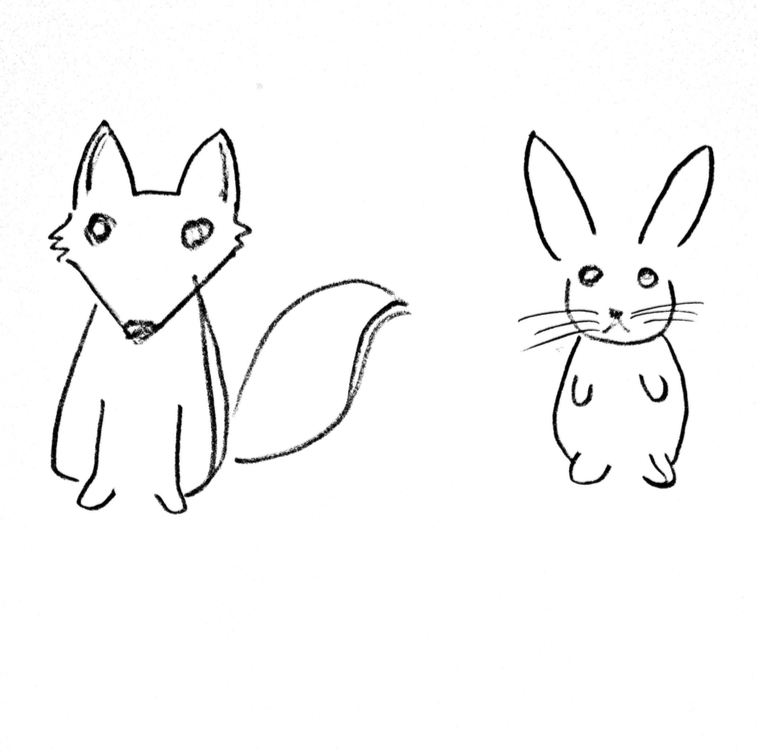
Change a spatial predator–prey model to explore population oscillations and emerging patterns.

Adjust local interaction rules in a model of schooling fish and flocking birds.
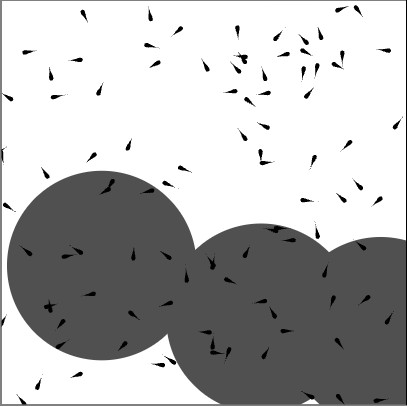
Explore how a model school of fish can collectively seek a dark refuge.
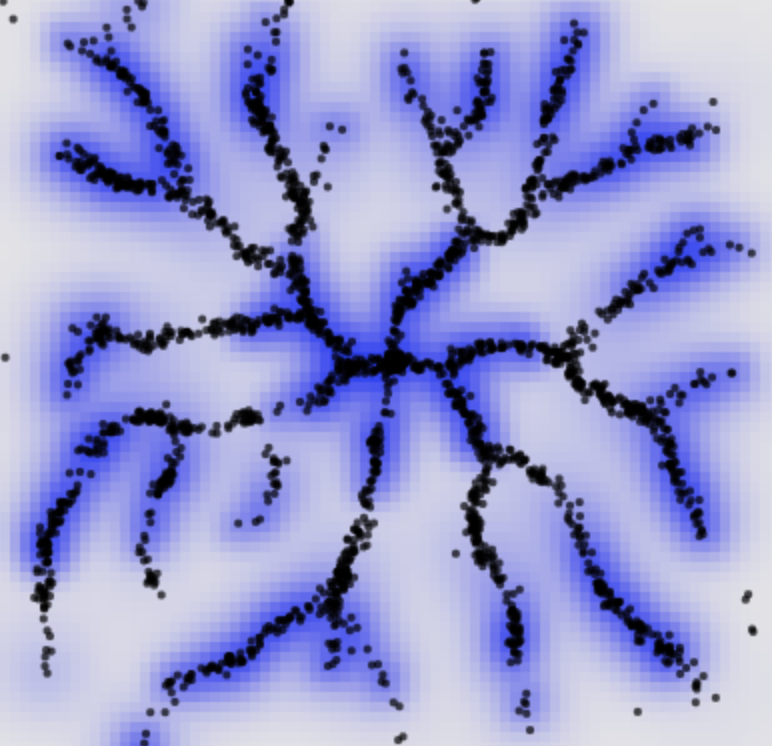
Change random motion and signal strength to explore a model of cell aggregation through diffusing chemical signals.
Vary nutrients, medium resistance and microbial movement in a model of colony growth.

Adjust movement, reproduction and mutation in an abstract ecosystem of interacting species.
Change mutation and selection in a spatial model and follow the distribution of mutant fitness.
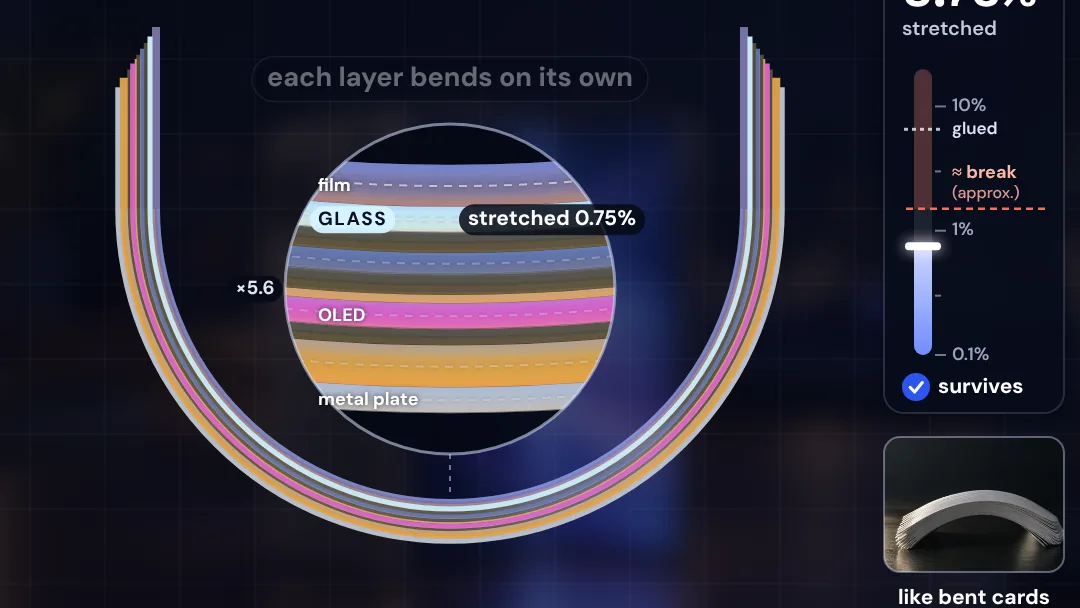
Change the fold radius, glass thickness and whether the layers are glued or sliding, and watch the glass strain cross the break line.
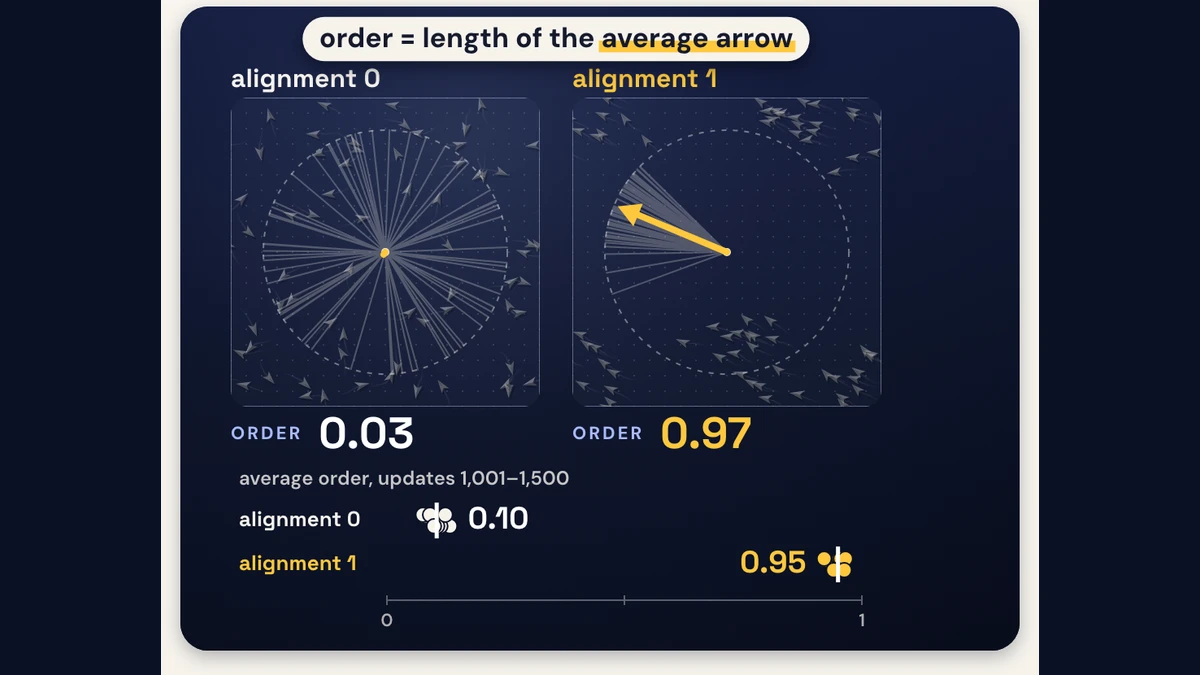
Change only the strength of local heading alignment while speed, neighborhood, noise and seed stay fixed; follow the directional-order readout without treating it as flock tightness.
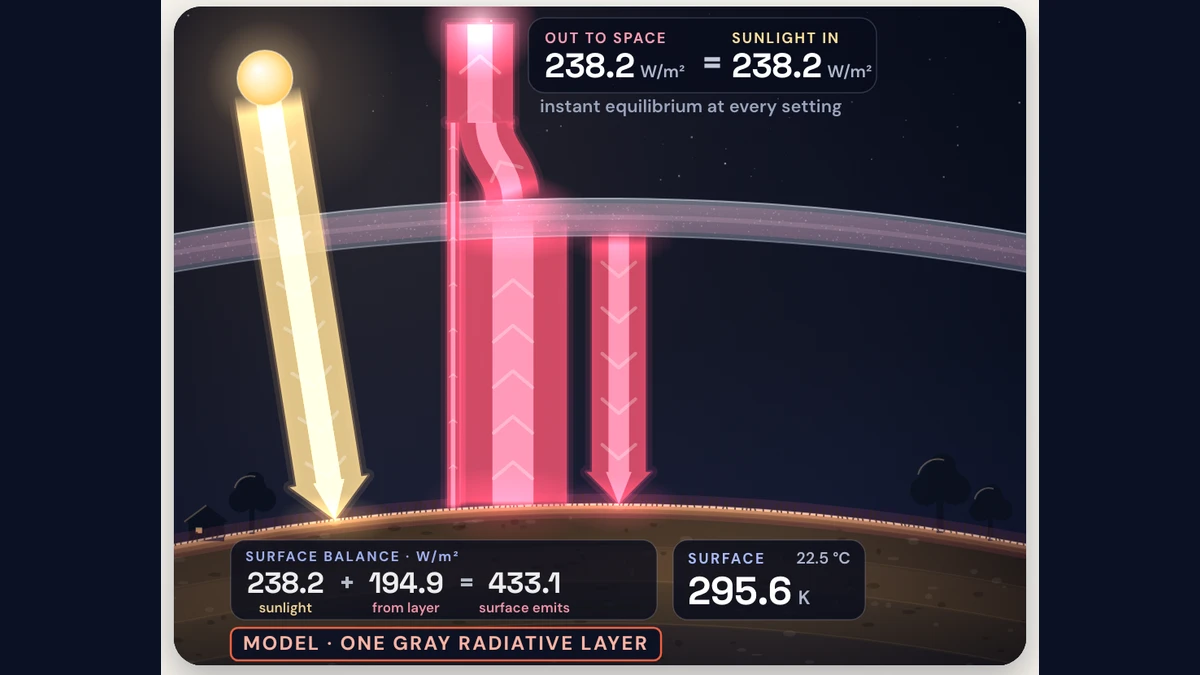
Adjust one ideal gray layer’s effective infrared absorption and follow the conserved fluxes and equilibrium temperatures while sunlight and albedo stay fixed.
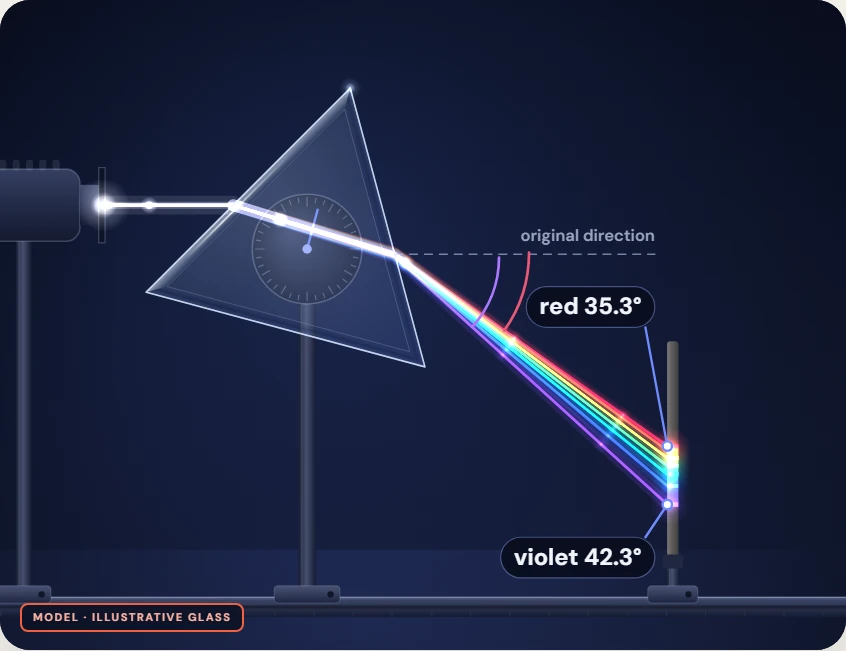
Change hypothetical dispersion while prism geometry and the incoming ray stay fixed; the sampled colors converge to one still-bent beam.

Change oxygen partial pressure and watch modeled hemoglobin saturation move along a cooperative Hill curve from a lung-side reference toward mixed-venous pressure.
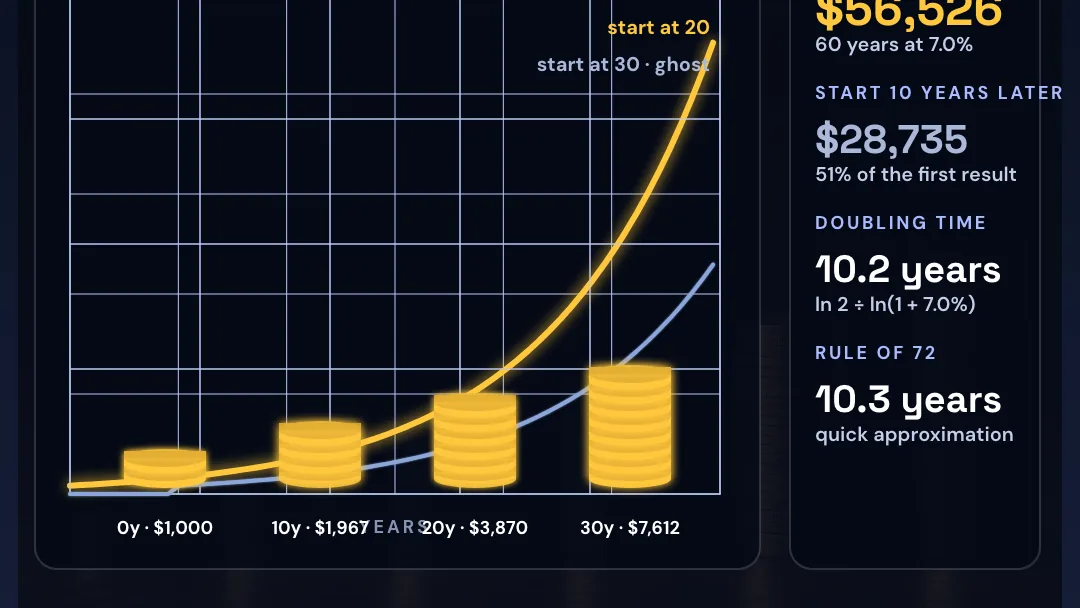
Change return and starting age to see years invested through a fixed ending age of 80, doubling time and the cost of starting ten years later.
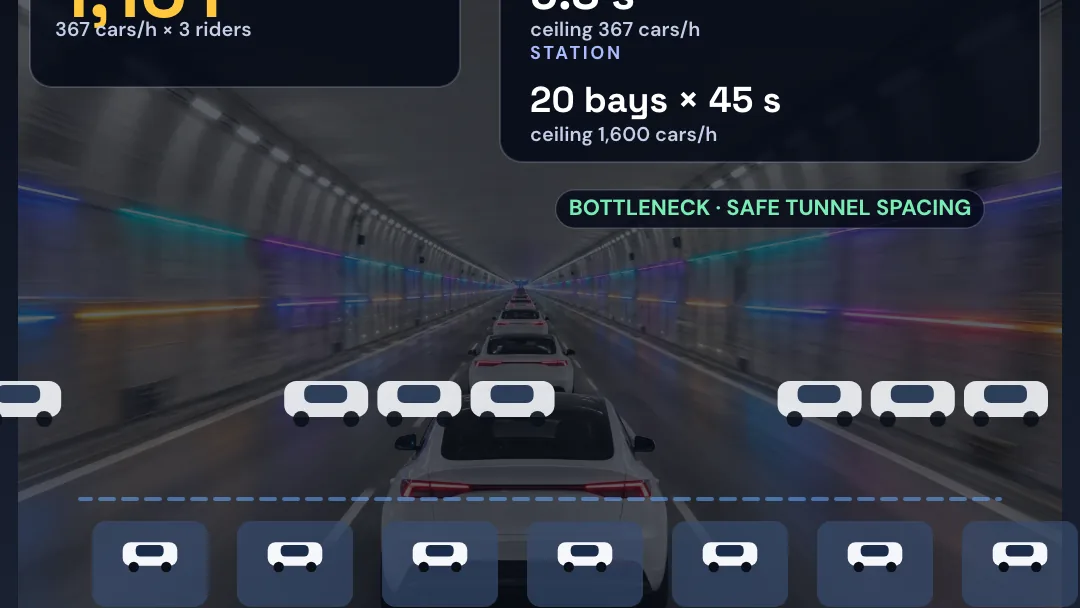
Change car headway, riders and loading bays to see whether the tunnel or station limits people per hour.
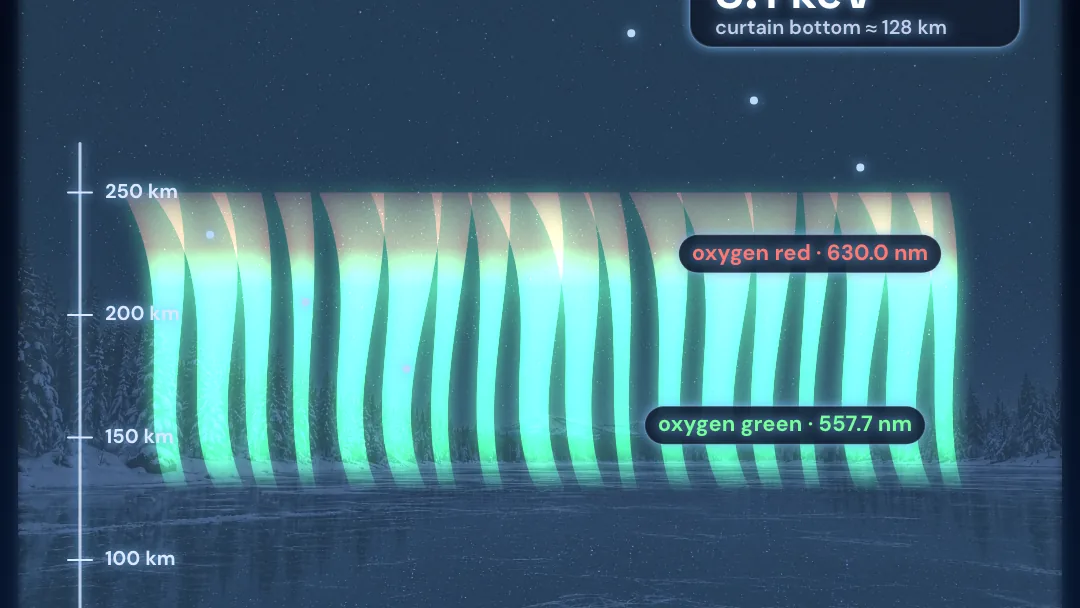
Raise incoming electrons’ energy and watch the curtain reach lower, from high red oxygen through green oxygen to a nitrogen fringe.
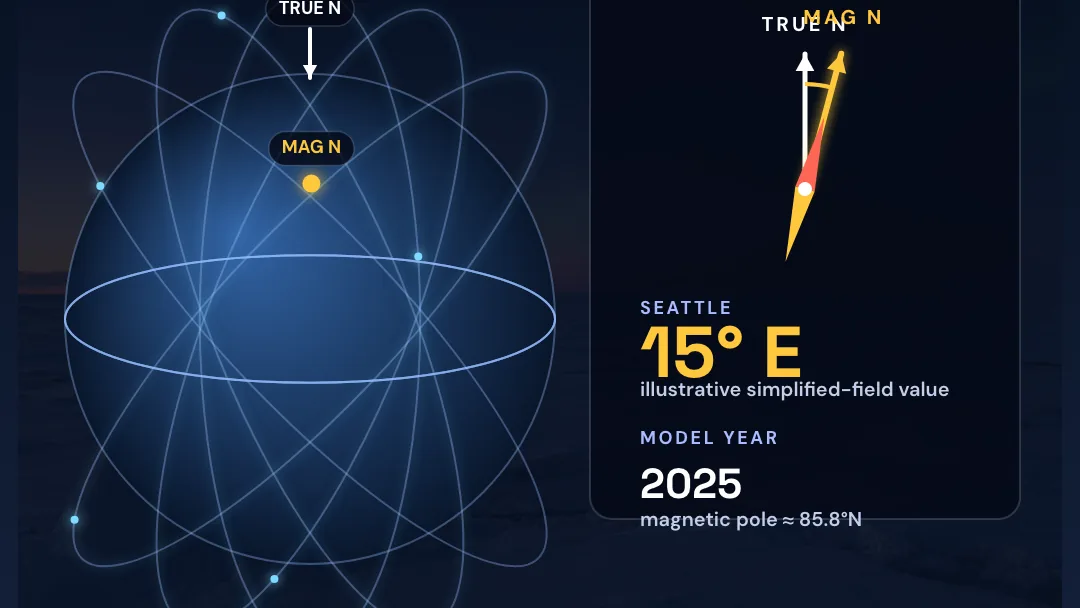
Pick a city and year to see true north separate from magnetic north in an explicitly simplified field model.
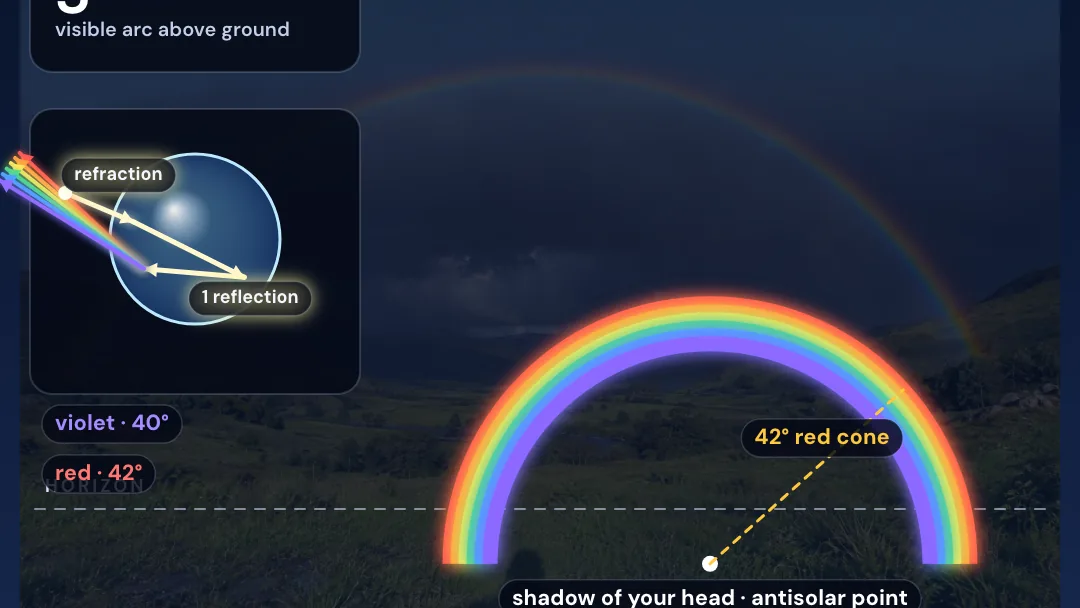
Move the Sun and see why drops on a 42-degree cone form a circle around the shadow of your head.
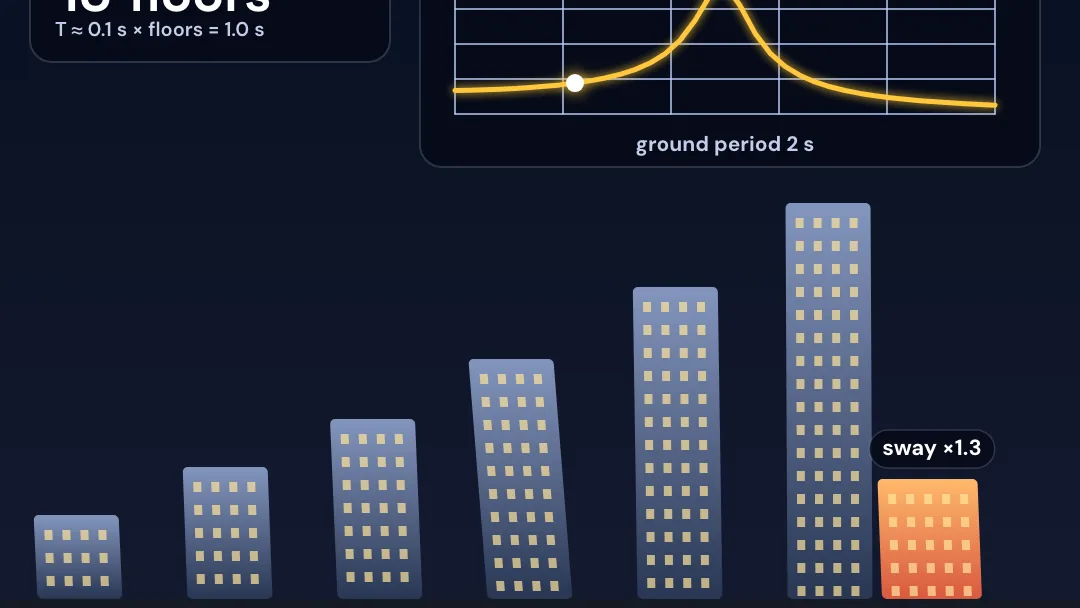
Change floor count and see a tower’s natural period move into and out of resonance with two-second ground motion.
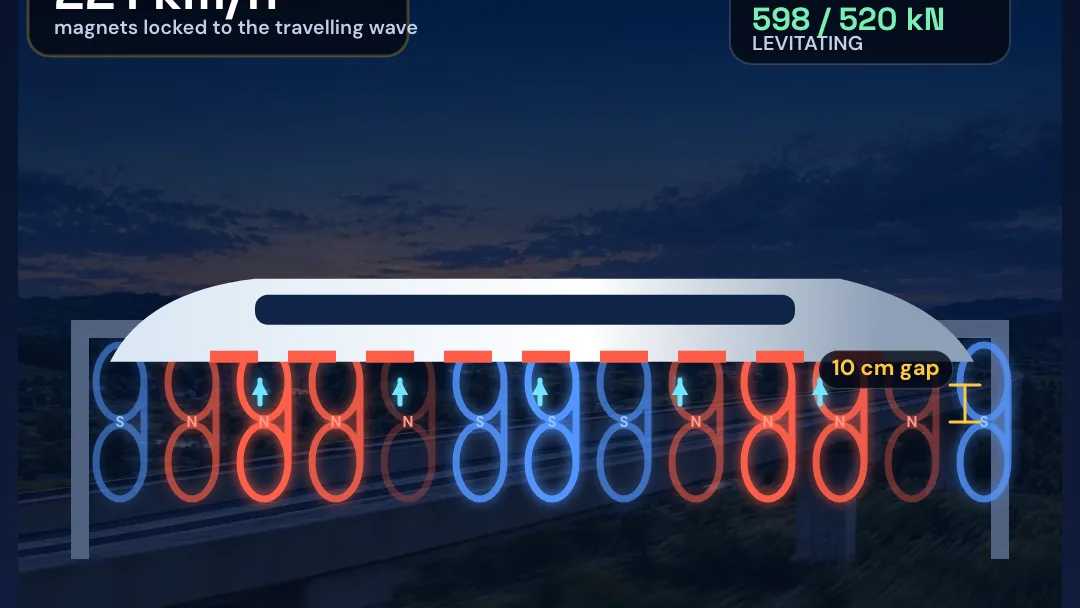
Change train speed and watch induced currents build enough lift to clear the guideway while a travelling magnetic wave matches the train.
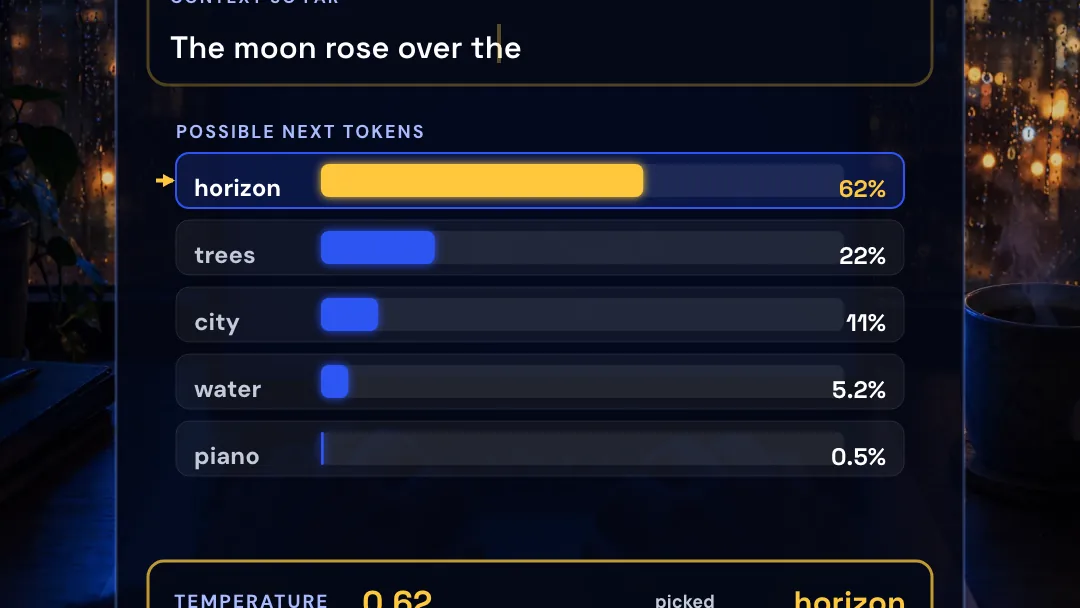
Move temperature and a deterministic sample point to see illustrative next-token logits become narrow or surprising probabilities.
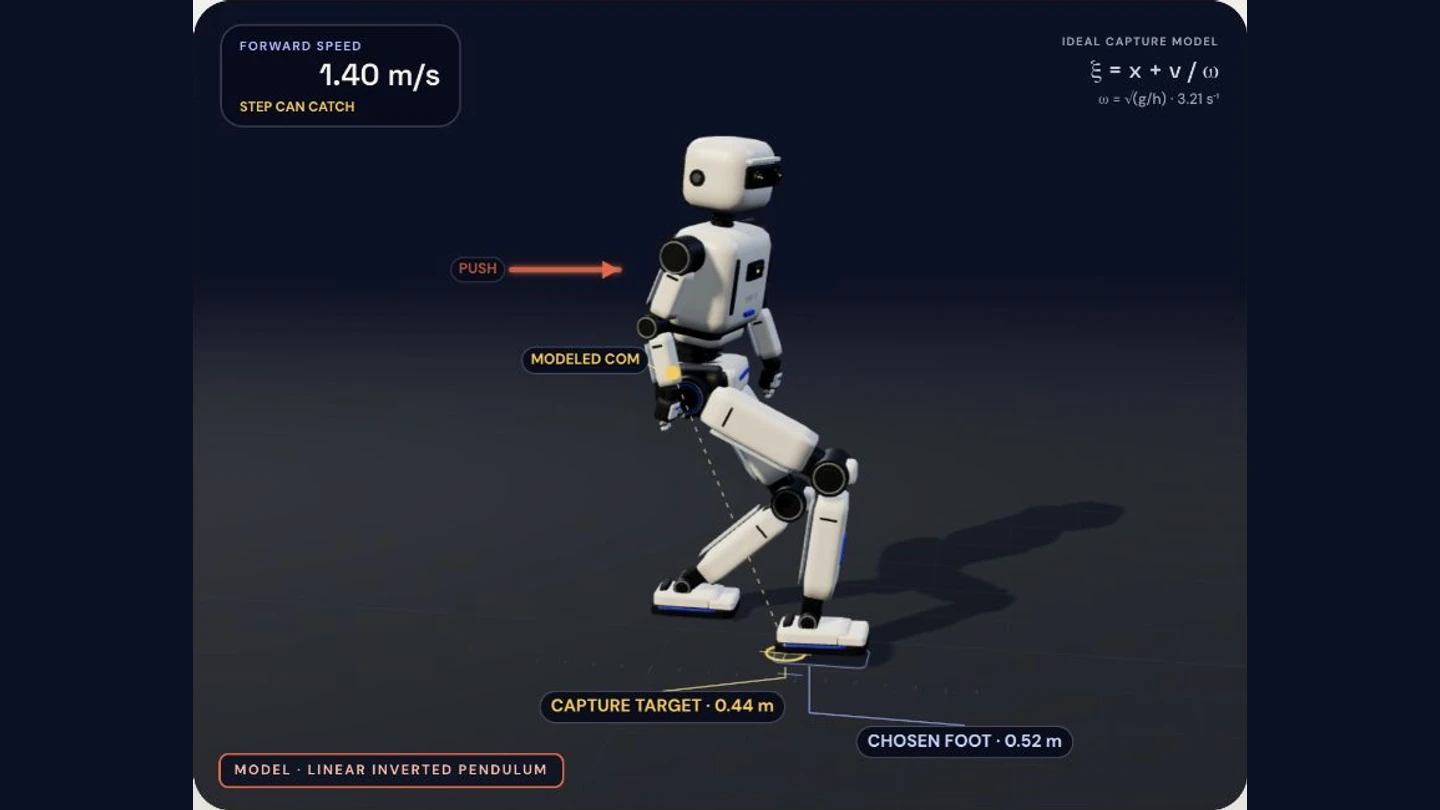
Push a code-drawn humanoid and move its next step to see how the capture point shifts and why a short step topples it.
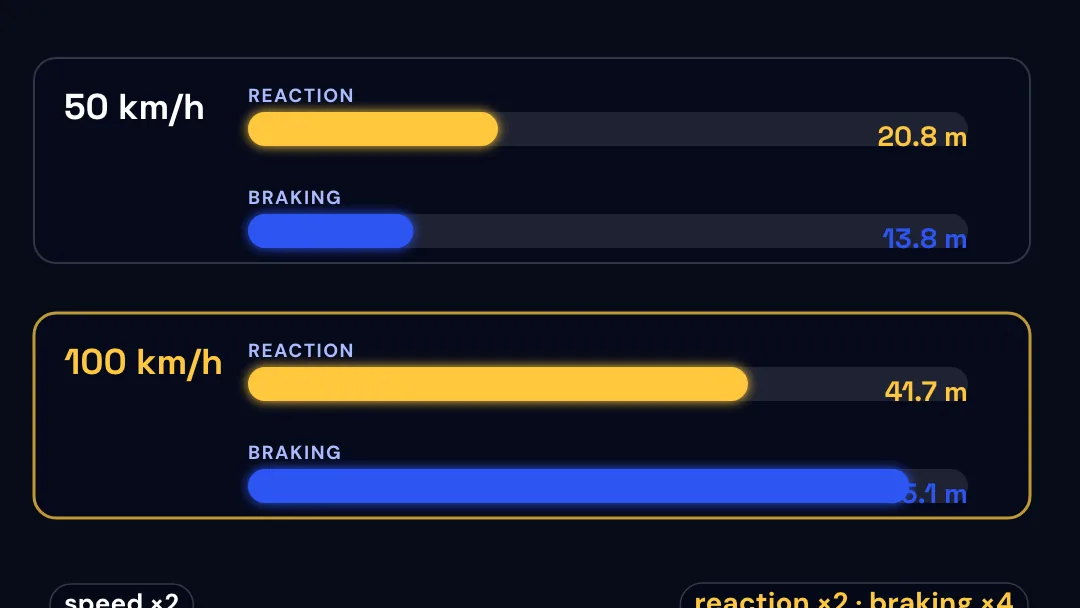
Change speed, reaction time and braking grip to separate the distance traveled before braking from the distance needed to stop.
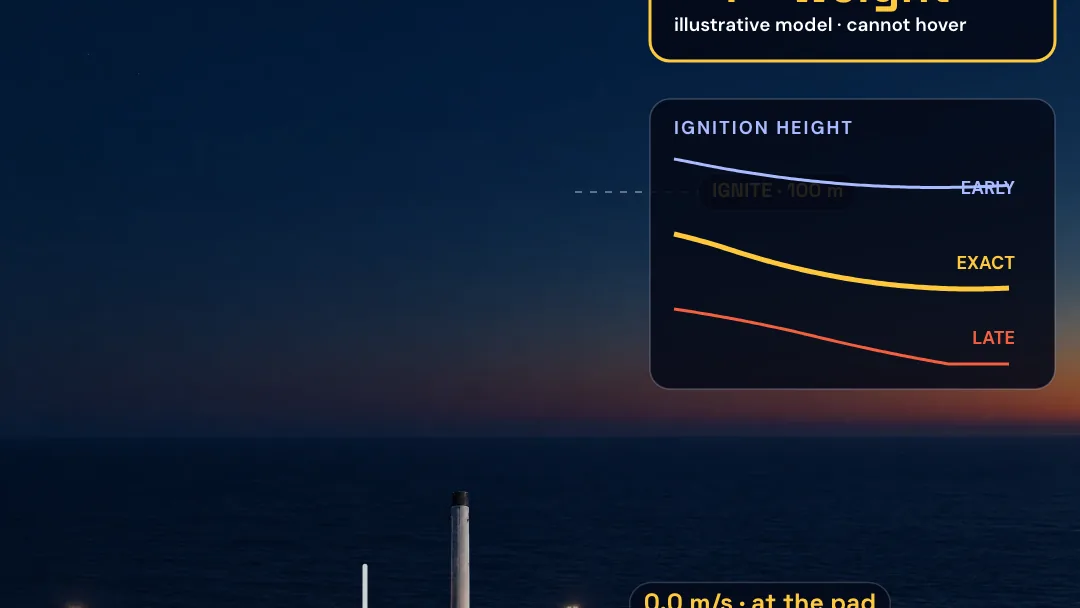
Move a booster's ignition height and see why too early climbs again, too late hits, and one modeled height reaches zero speed at the pad.
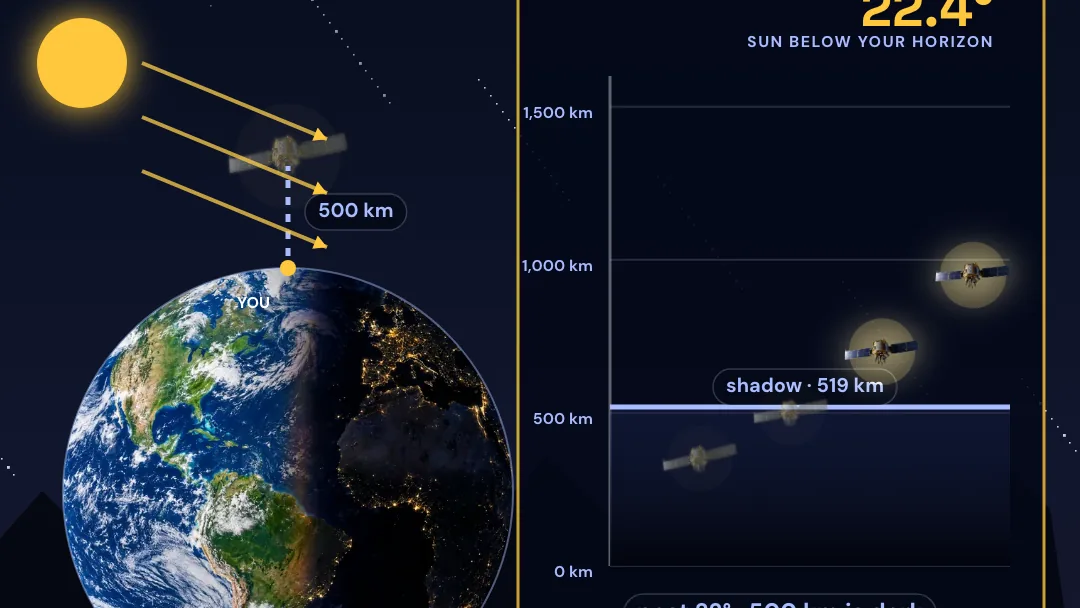
Move the Sun below your horizon and watch Earth's shadow rise through low orbit until a 500-kilometer satellite goes dark.
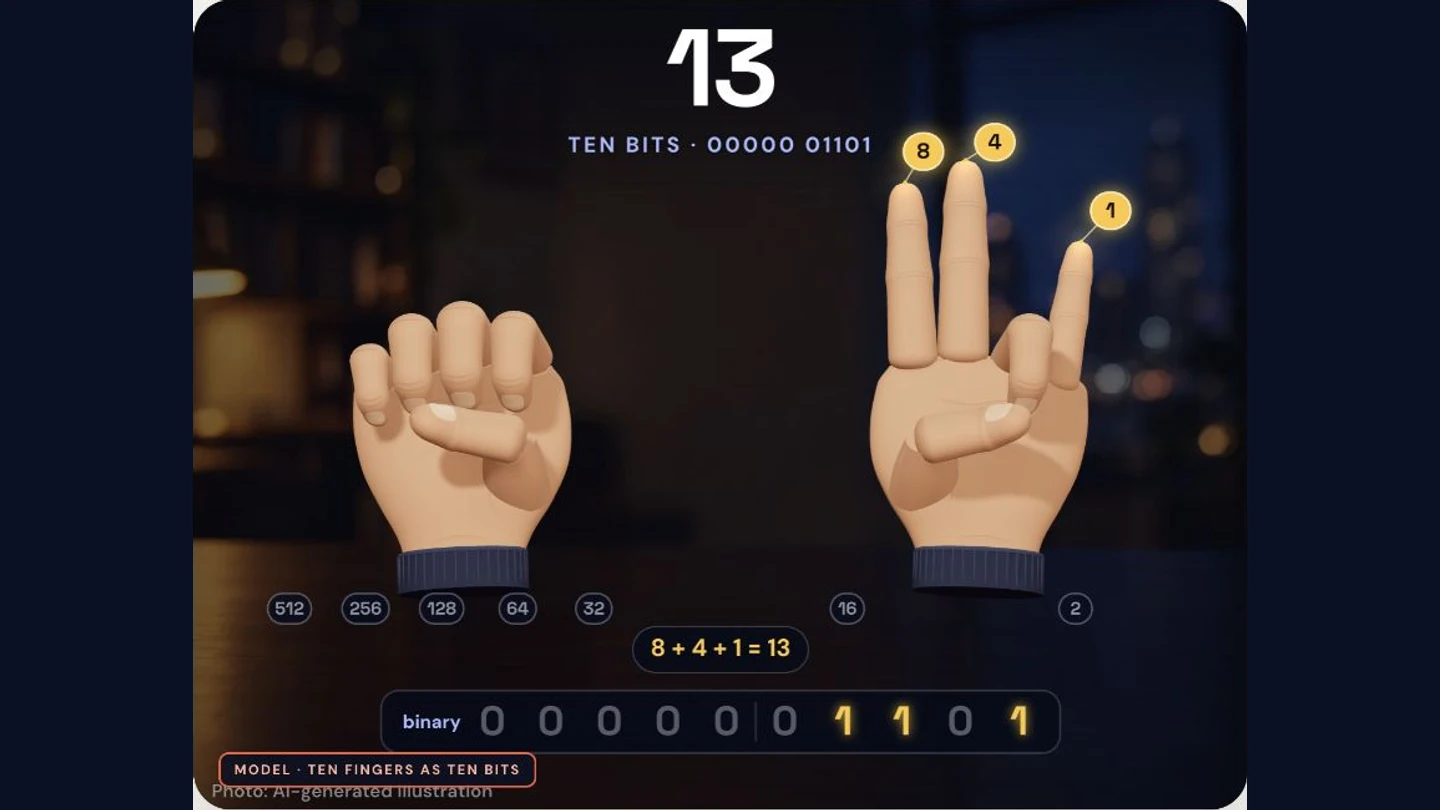
Raise code-drawn fingers worth 1 through 512 and see ten binary switches represent every number from 0 to 1,023.
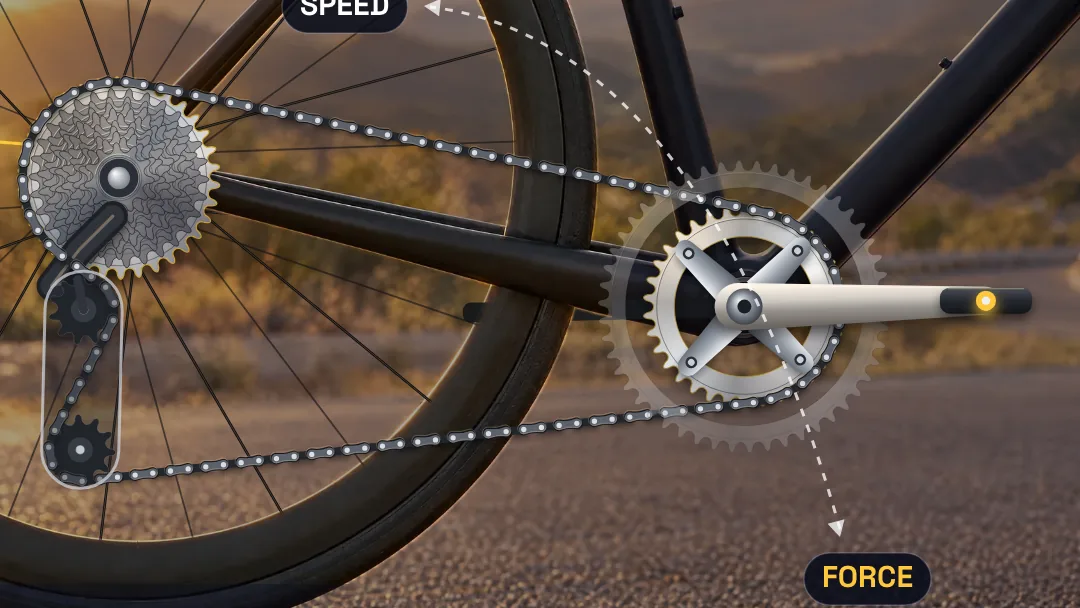
Choose a chainring and rear cog, then watch one pedal turn trade wheel speed for the force needed at your foot.
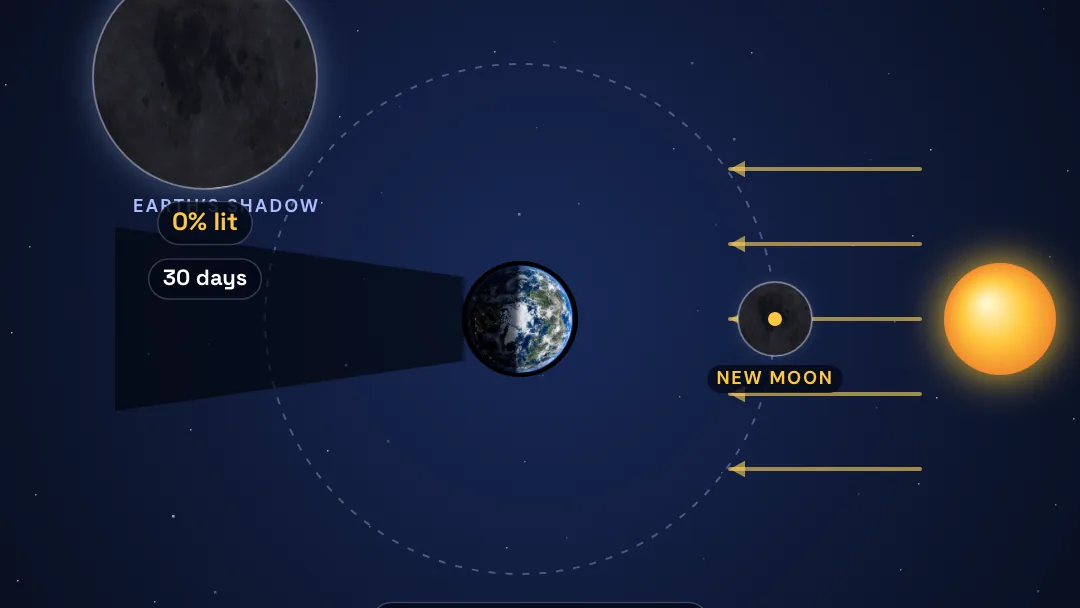
Move the Moon around Earth and watch the visible lit fraction change while sunlight always illuminates one lunar half.
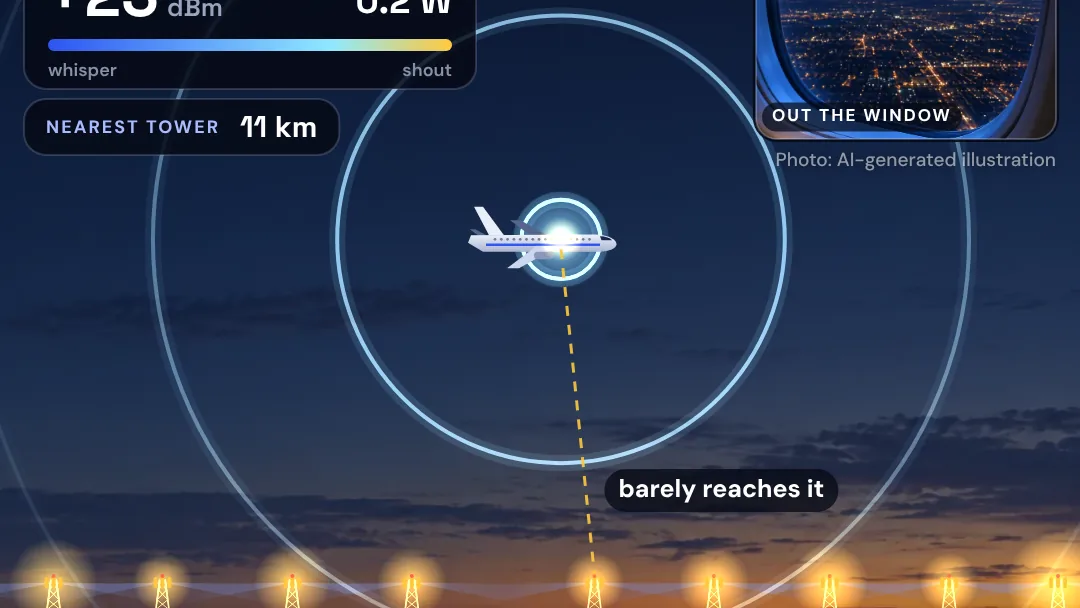
Drag a phone up to cruising altitude and watch its radio climb to full power as the towers it can reach fall out of range.
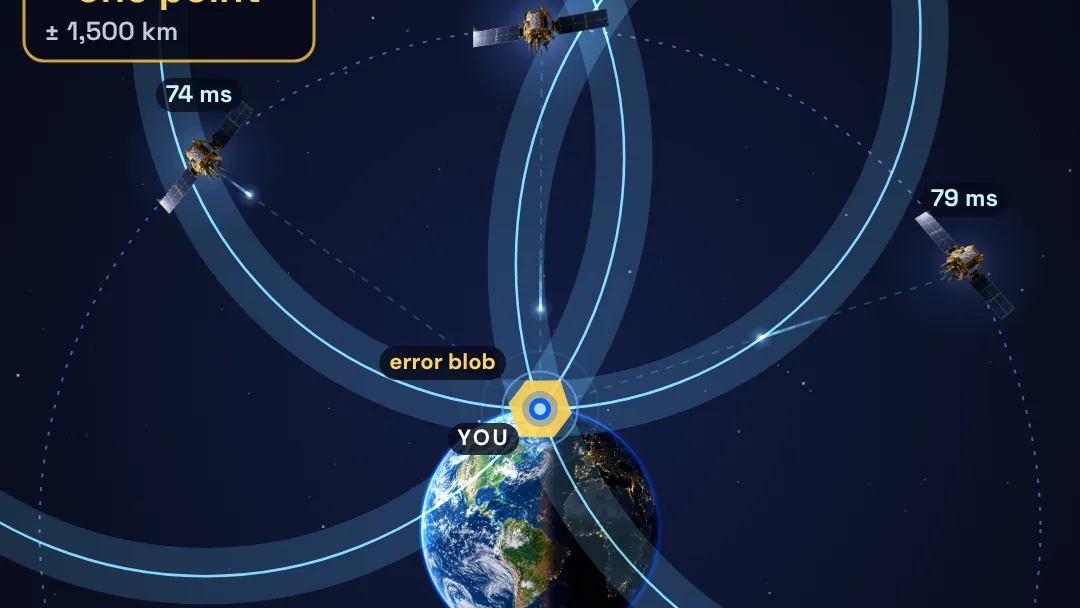
Drag satellites into view and watch their timed signals shrink your phone's position to a single point.
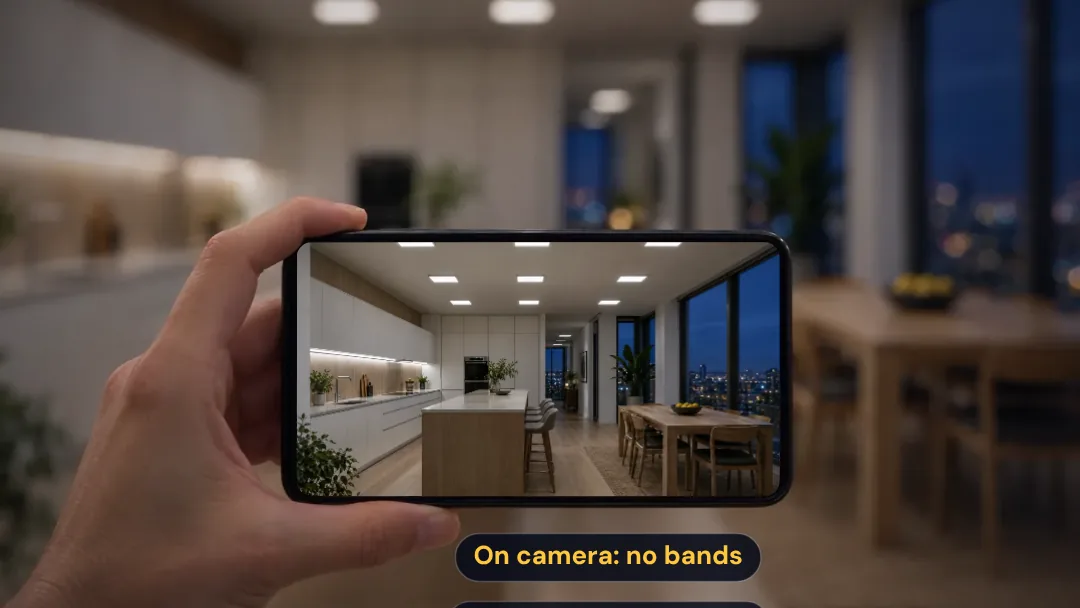
Drag a phone camera's shutter speed and watch the dark bands from pulsing LED light disappear when each exposure spans one whole pulse.
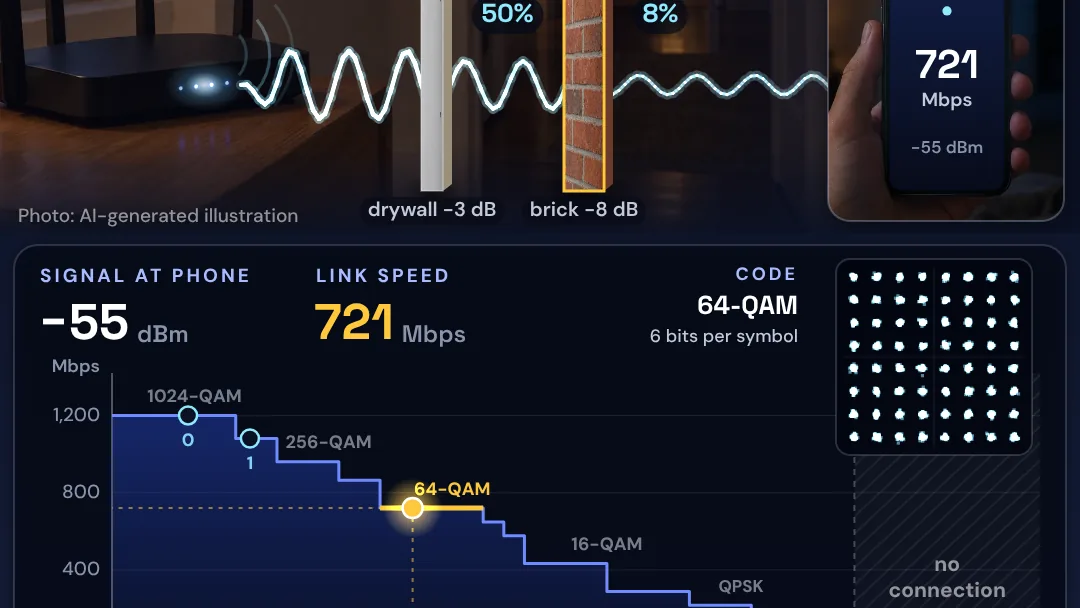
Add walls between a router and a phone and watch the signal fade, with the link speed stepping down wall by wall.
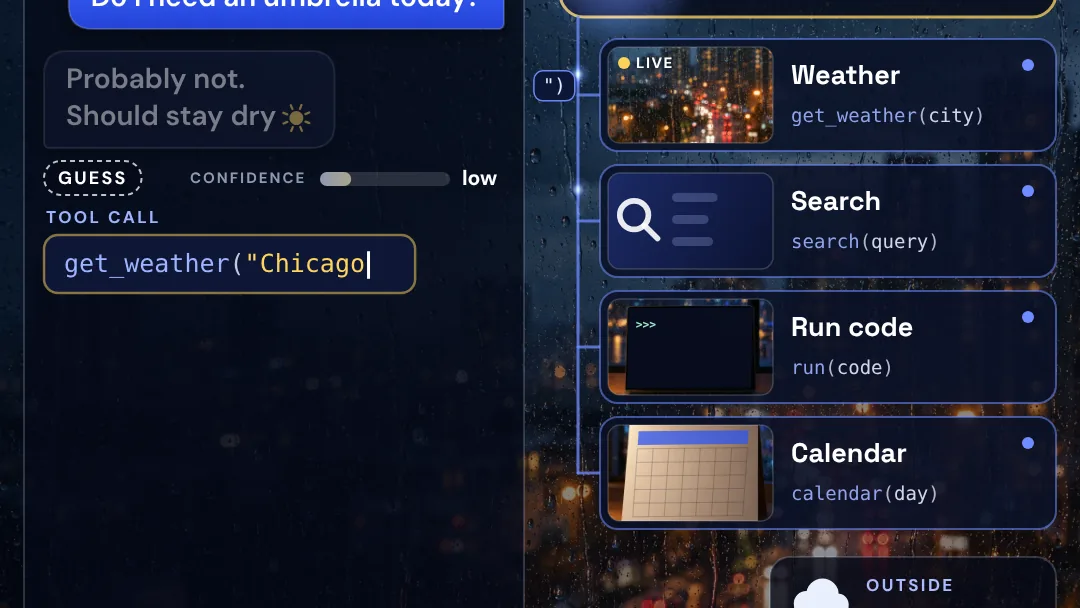
Switch an AI assistant's tools on and watch it turn a guess about today's weather into a lookup.
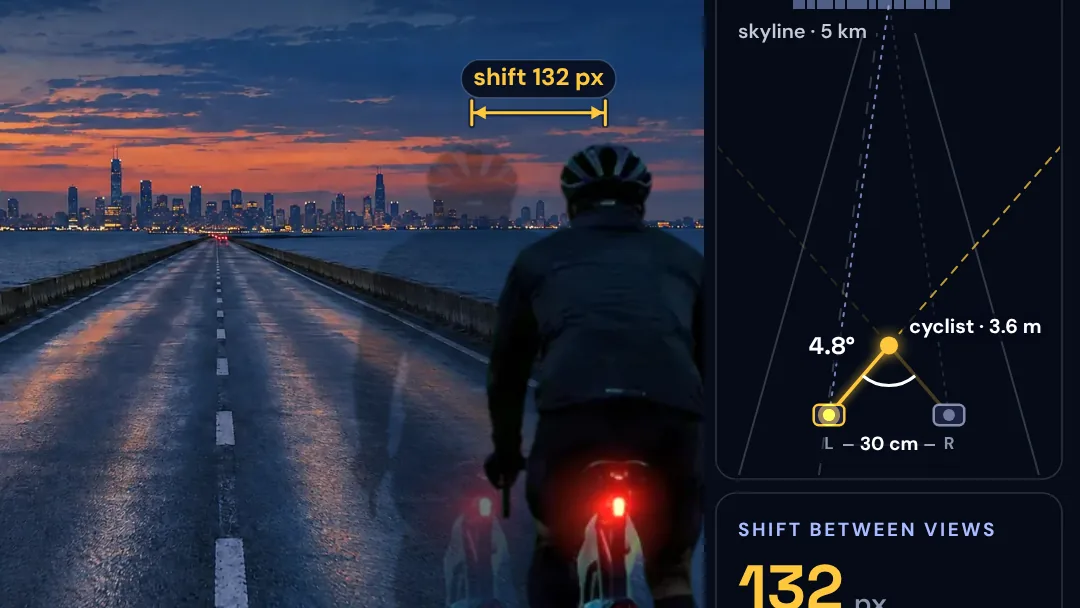
Drag a cyclist toward a pair of cameras and watch the shift between their two views grow as the distance shrinks.
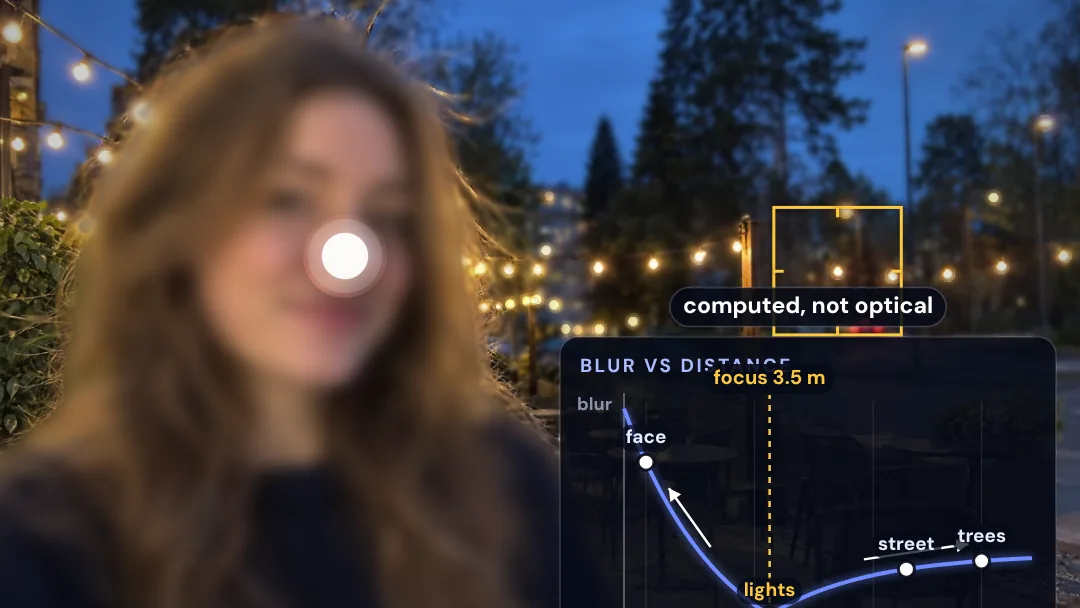
Tap a photo to move the focus point and watch software blur each part of it by its distance in a depth map.
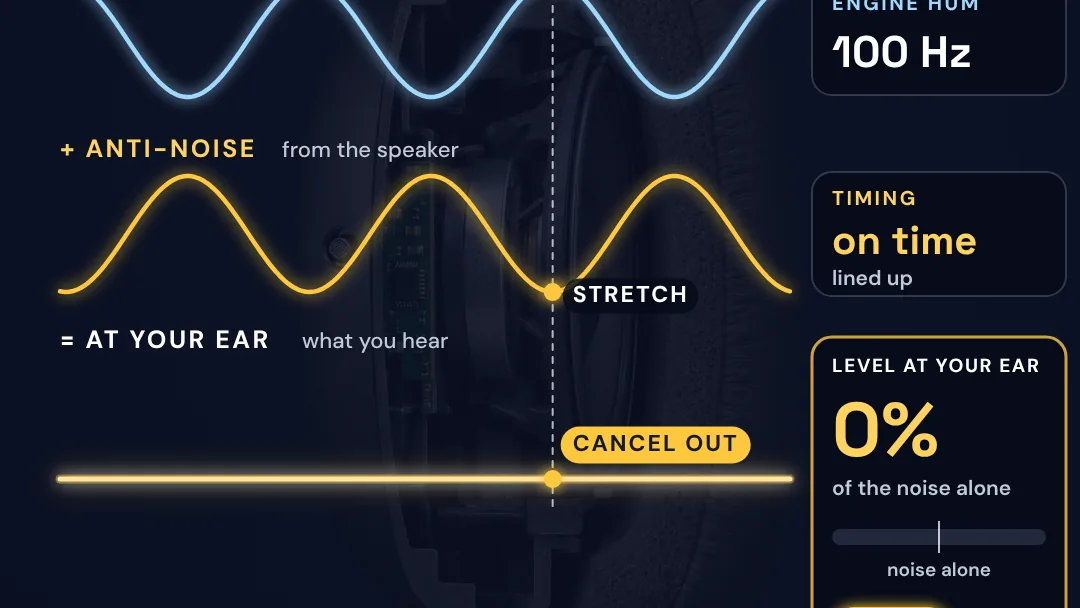
Slide an anti-noise wave against an engine hum and watch the two cancel. Let the timing slip and they add up instead.
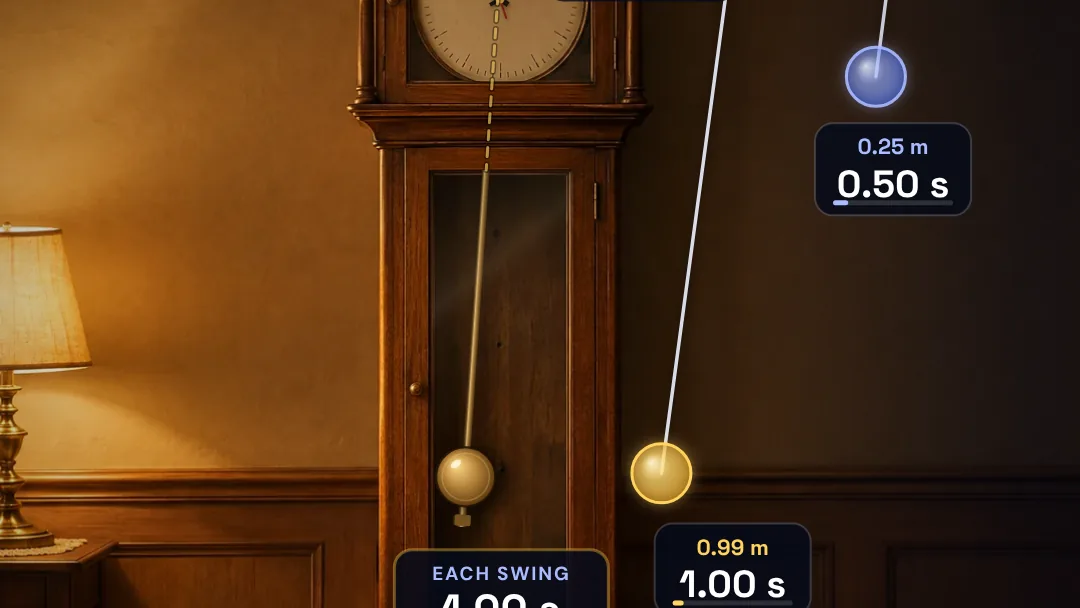
Drag a pendulum longer and watch its swing slow. At about one meter, each swing takes one second, which is why clock cases are tall.
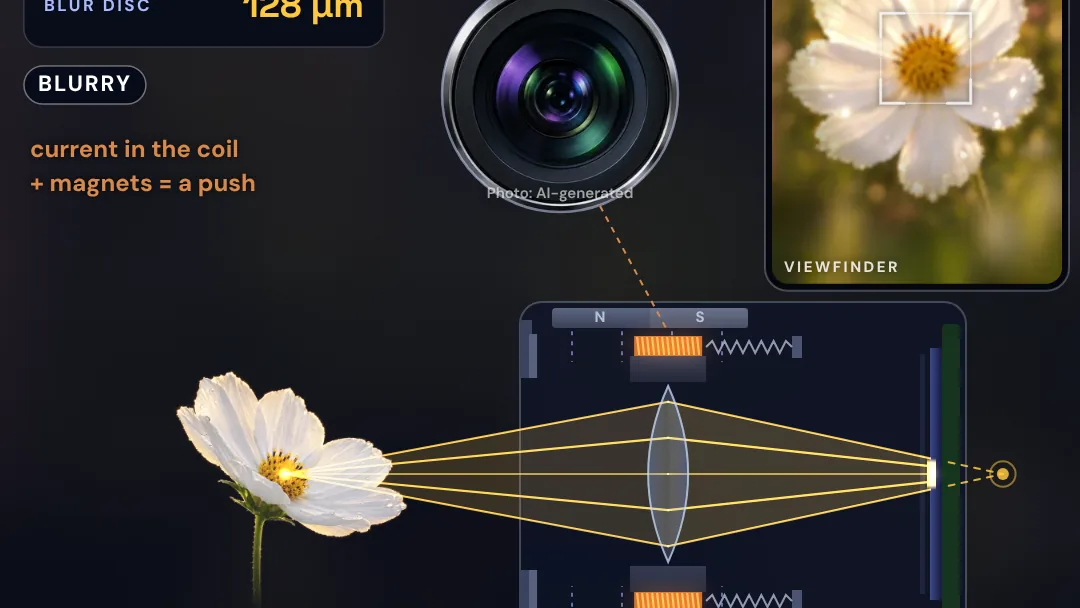
Drag a flower toward a phone camera and watch a tiny motor slide the lens until it runs out of travel at about 10 cm.
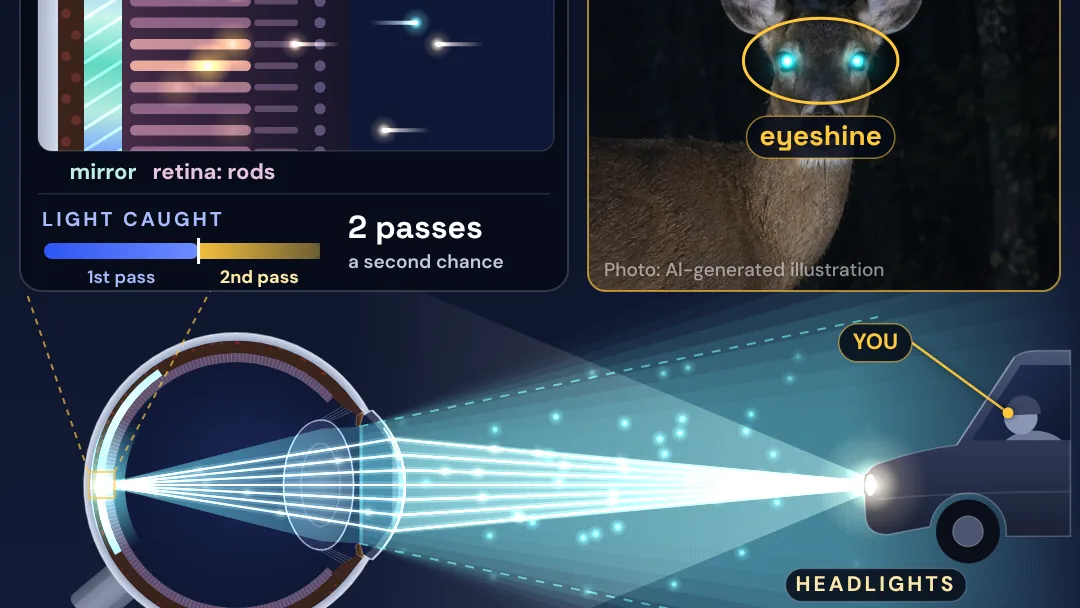
Take the mirror out of a deer's eye and watch its eyeshine vanish. Why eyes glow in your headlights, and what biologists say about the freeze.
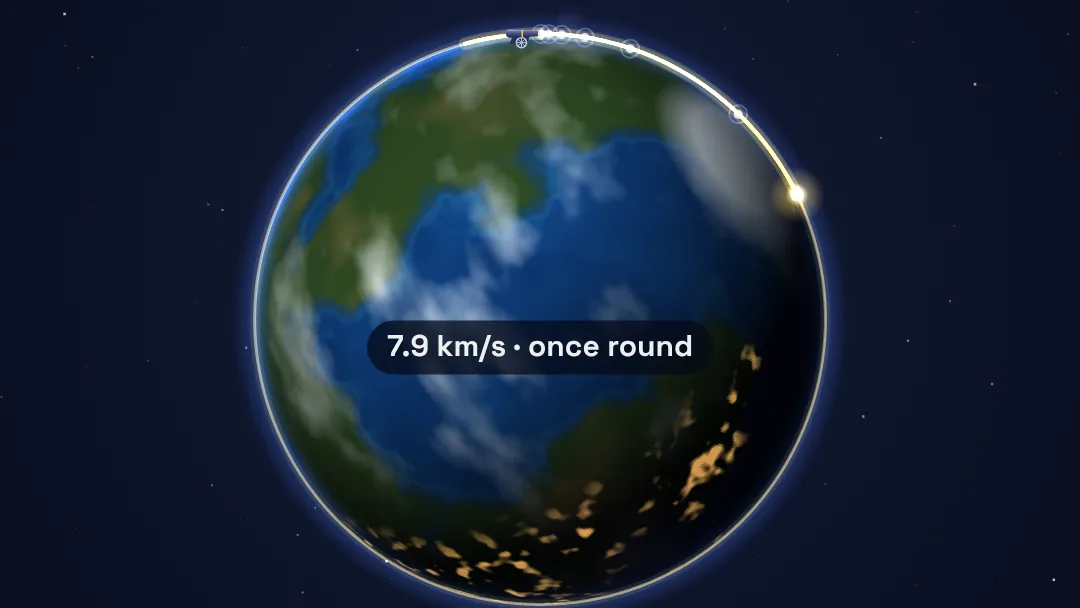
Fire a cannonball faster and faster from a mountain top until the ground curves away as fast as it falls. Newton's cannon as a working model.
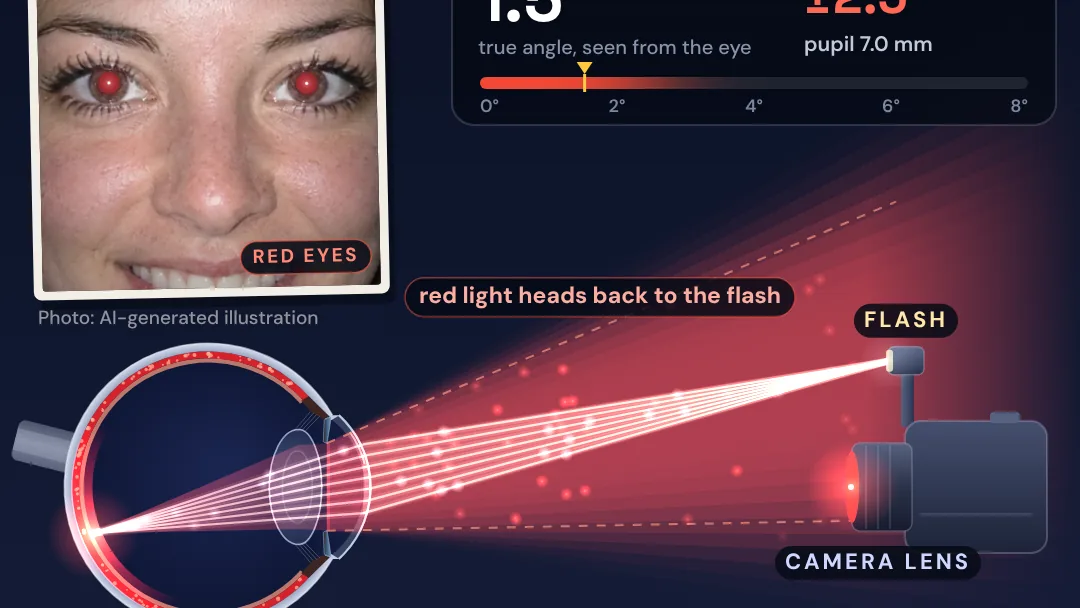
Slide a camera's flash away from its lens and watch the red return beam miss. A simplified model of why eyes glow red in flash photos.

Drag a plane past the speed of sound and watch its sound rings pile into a cone that sweeps the ground. An interactive model of sonic booms.
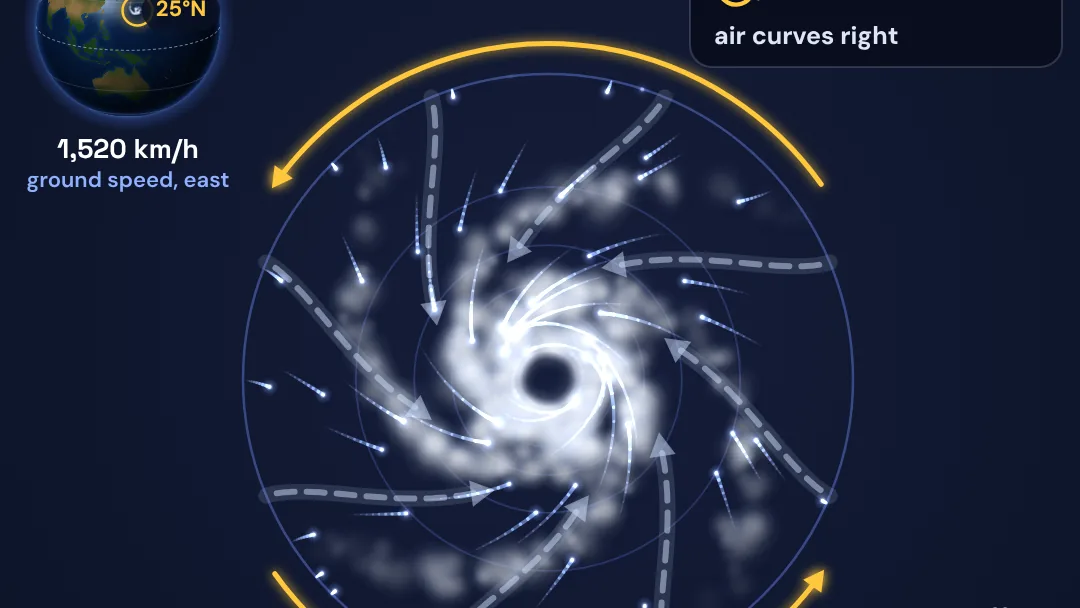
Drag a storm from north to south of the equator and watch Earth's spin curve its inflowing air one way, then the other. A sped-up Coriolis model.
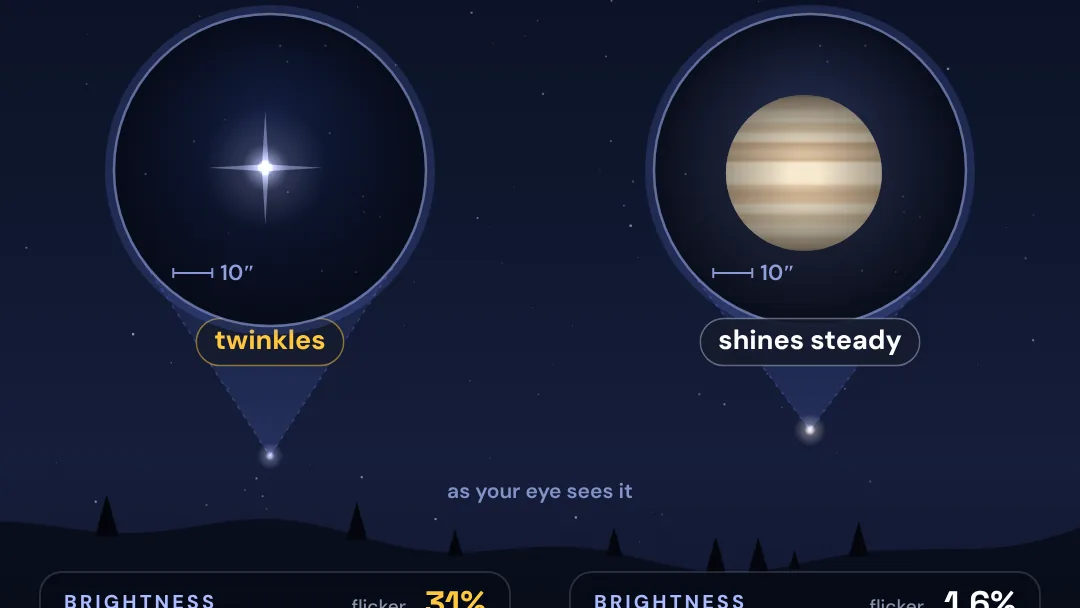
Grow a point of starlight into a planet's disk and watch the twinkle average away. A simplified model of atmospheric scintillation.
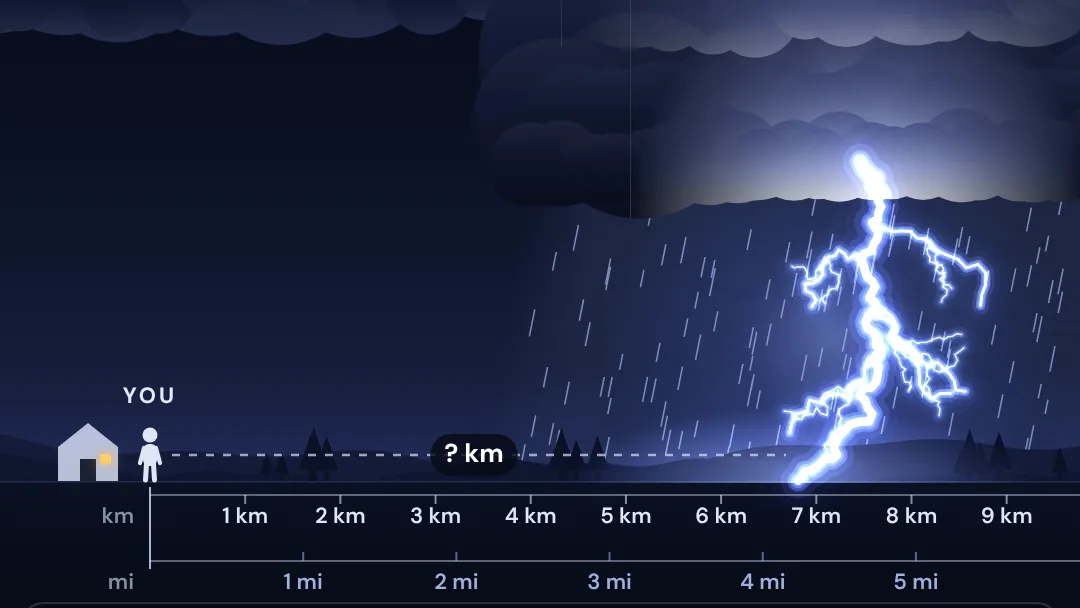
Drag a lightning strike closer and count the seconds until the thunder arrives. The speed of sound, the 3-seconds-per-km rule and storm safety.

Play the Monty Hall game by hand, then run thousands of rounds with up to 100 doors. See why switching wins two times in three.
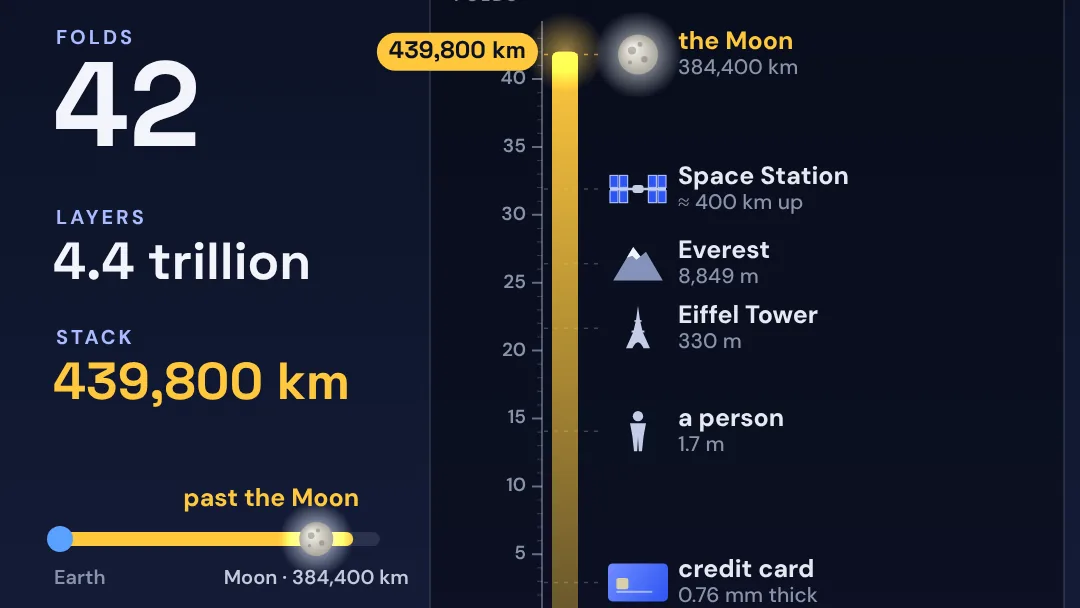
Fold a paper strip again and again and watch each bend eat more paper. Britney Gallivan's folding limit, plus a stack that reaches the Moon.
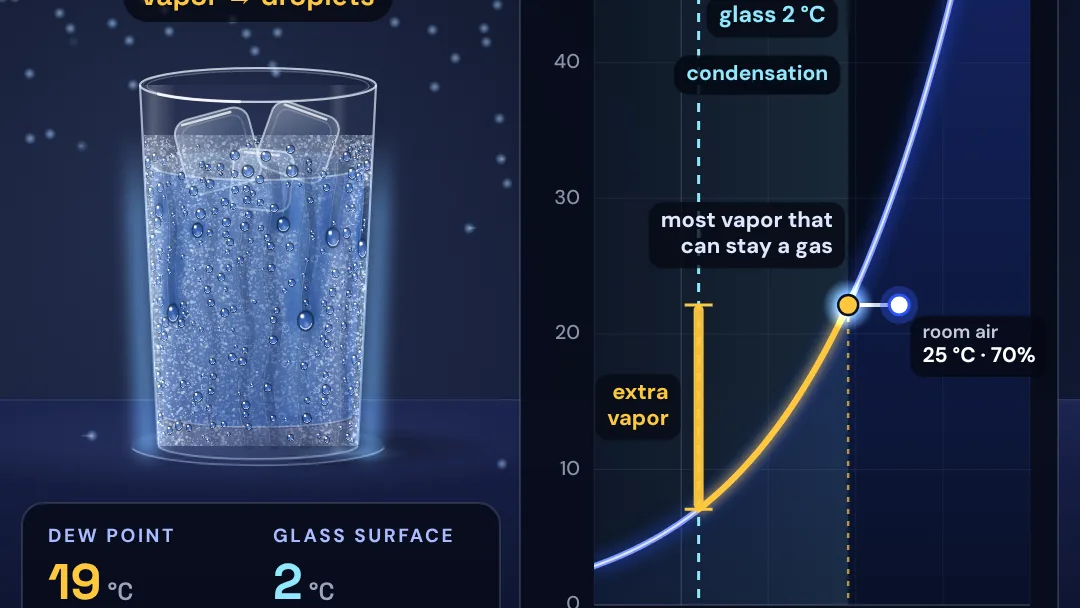
Drag the humidity and the drink temperature and watch droplets form or vanish on a cold glass. An interactive dew-point model.
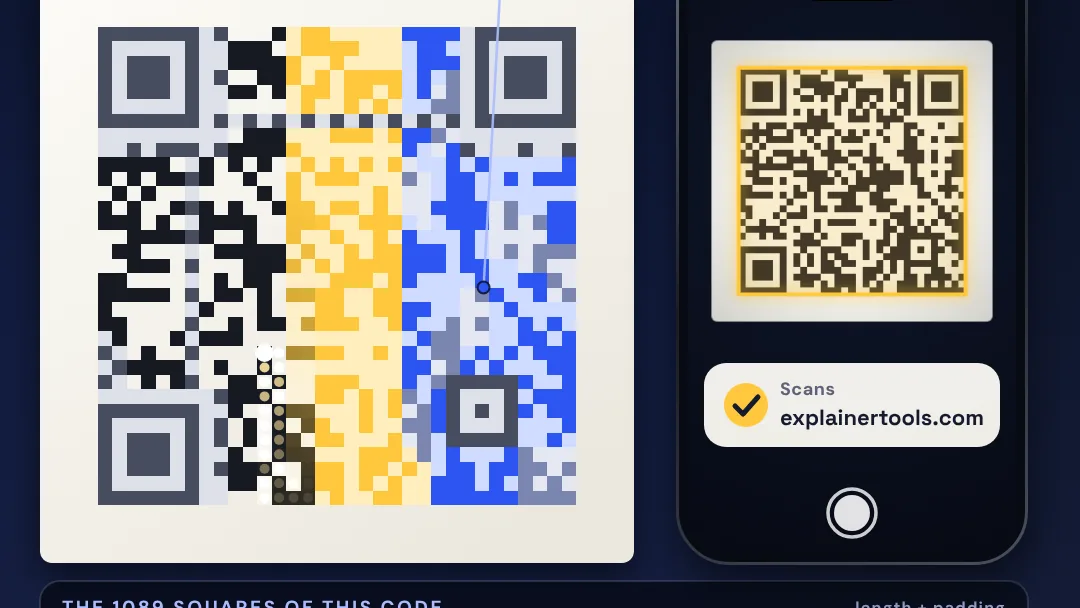
Tear, stain and scratch a real QR code and watch a real decoder still read it. Error correction you can break with your own hands.
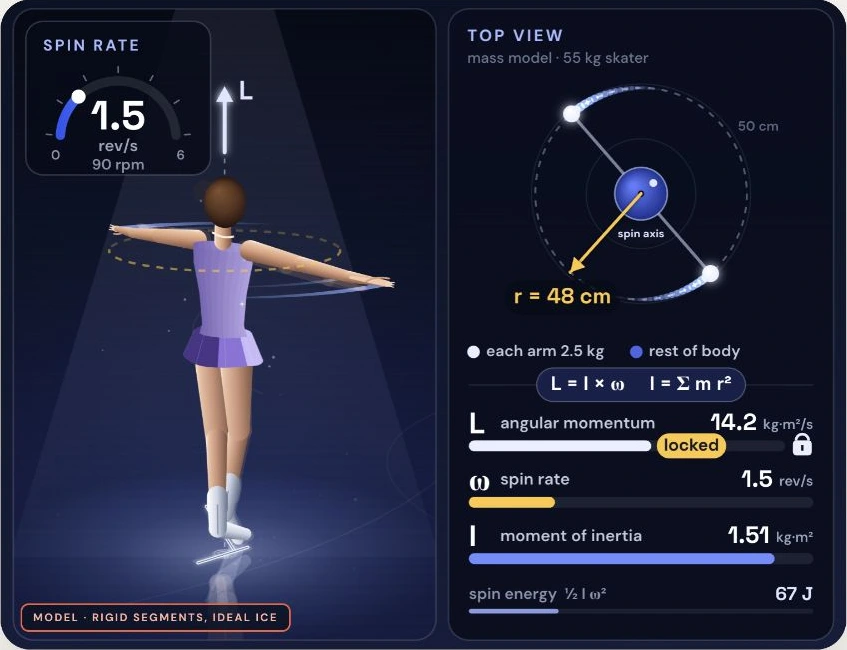
Pull a spinning skater's arms in and watch the spin speed up while angular momentum stays locked. A segment model of a real spin.
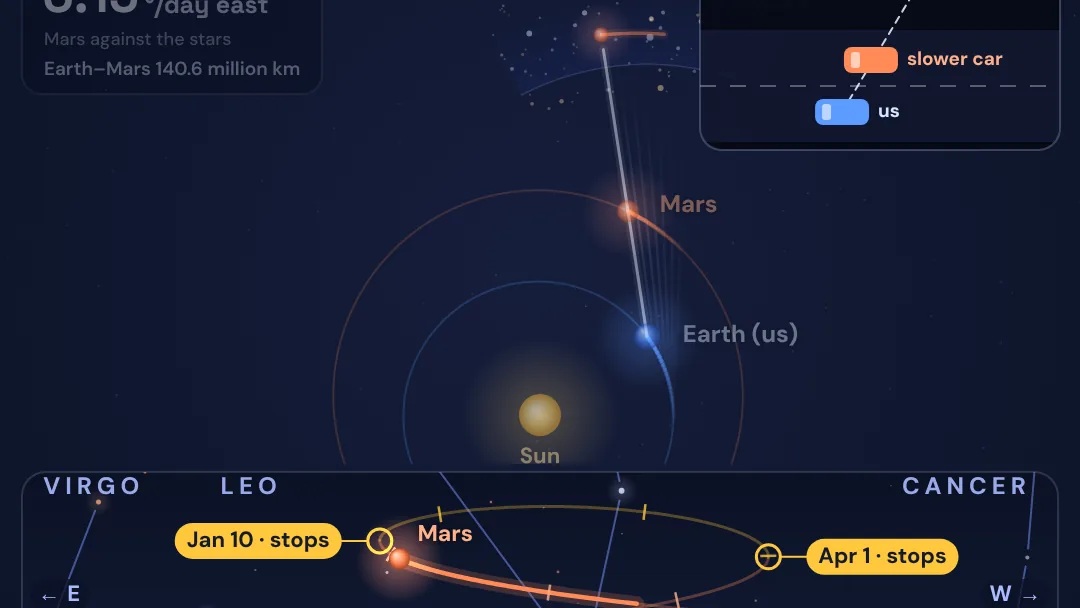
Drag the date through early 2027 and watch Mars loop backward against the stars of Leo as Earth overtakes it. Real orbits, real stars.
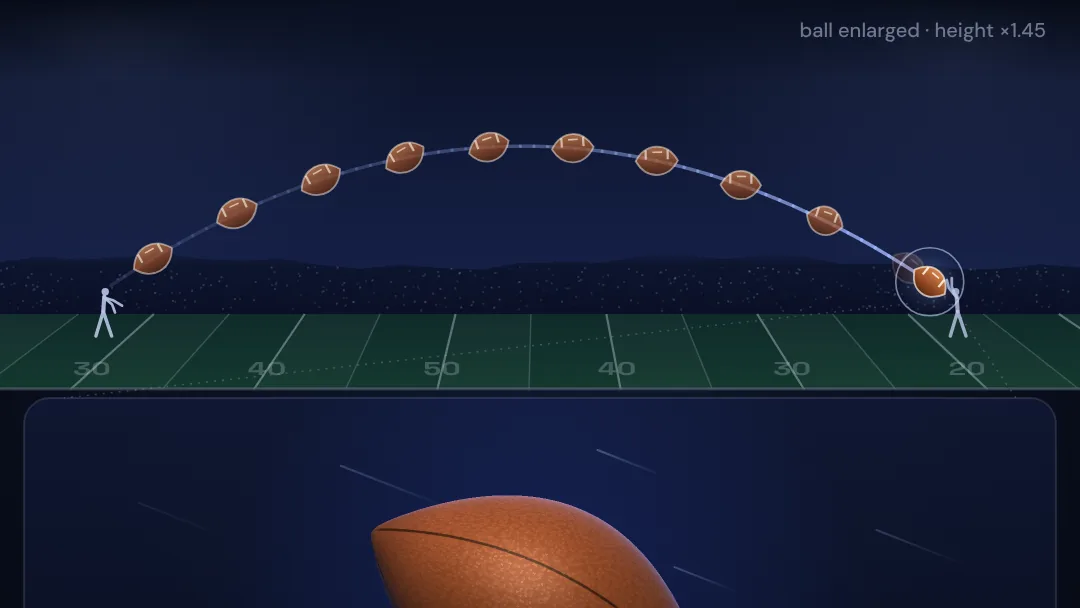
Crank a football's spin and watch the same shaky release shrink from a wobbly duck into a tight spiral. Gyroscopic stability you can throw.
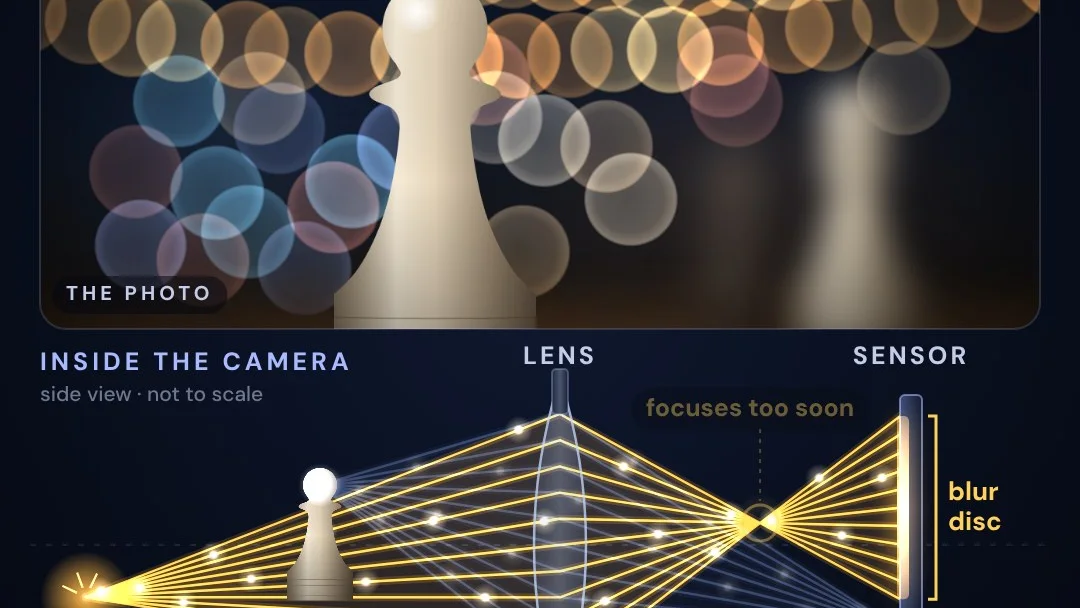
Close the aperture and watch the background sharpen. Follow the light inside the lens to see why each far light lands as a disc.
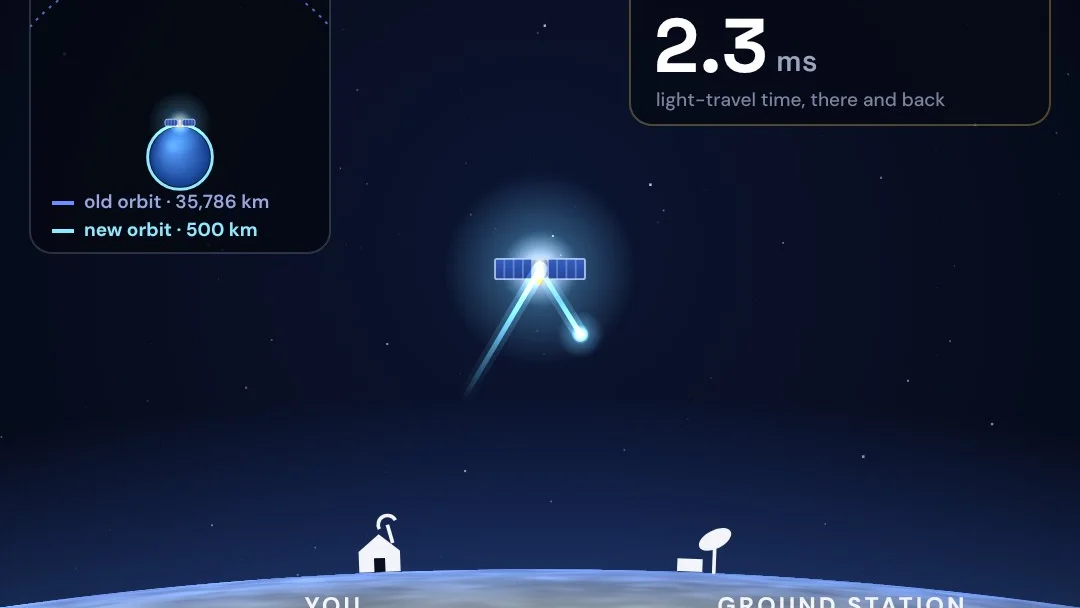
Drop a satellite from 36,000 km to about 500 km and watch the round trip shrink from half a second to a few milliseconds, and why you then need thousands.
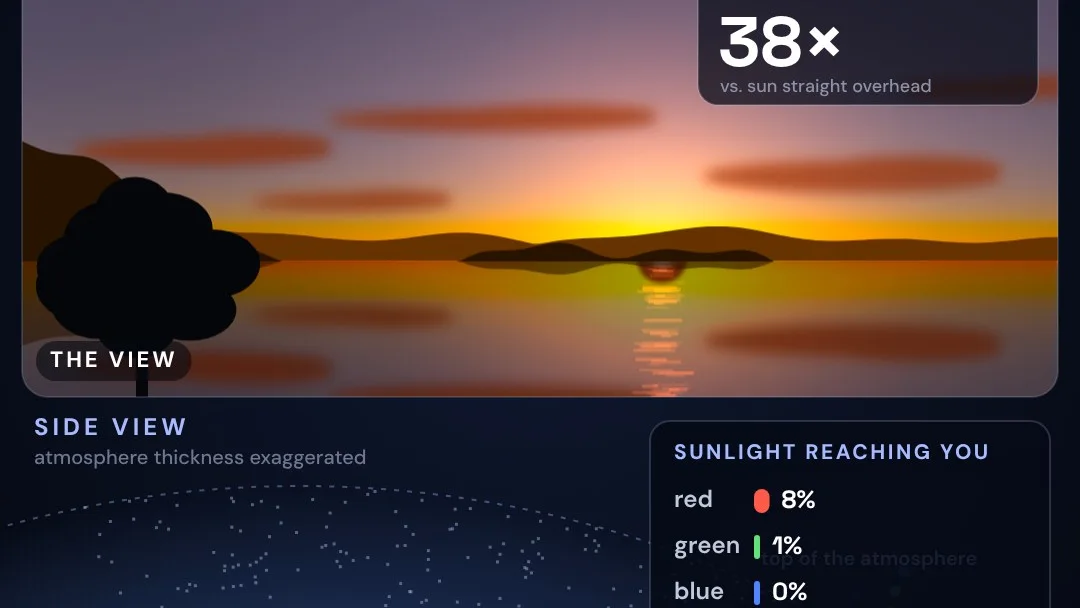
Drag the sun to the horizon. Its light crosses nearly forty times more air, and the blue scatters out before it reaches you.
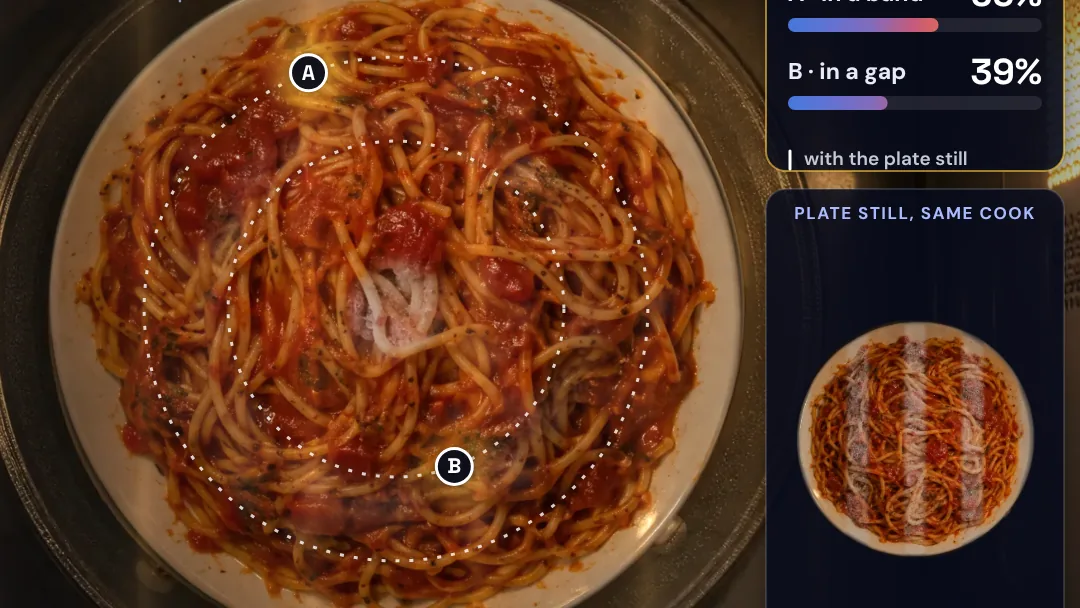
Spin the turntable and watch fixed microwave bands, about 6 cm apart, turn stripes of hot and cold food into rings.
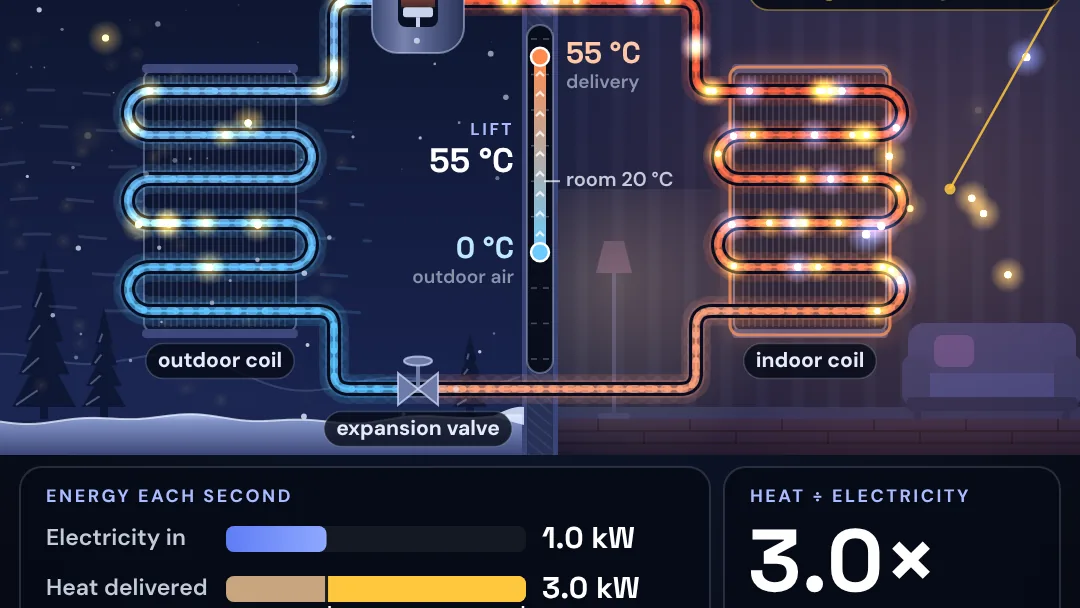
Drag the outdoor temperature down and watch a heat pump move heat in from freezing air, and why a bigger lift takes more electricity.
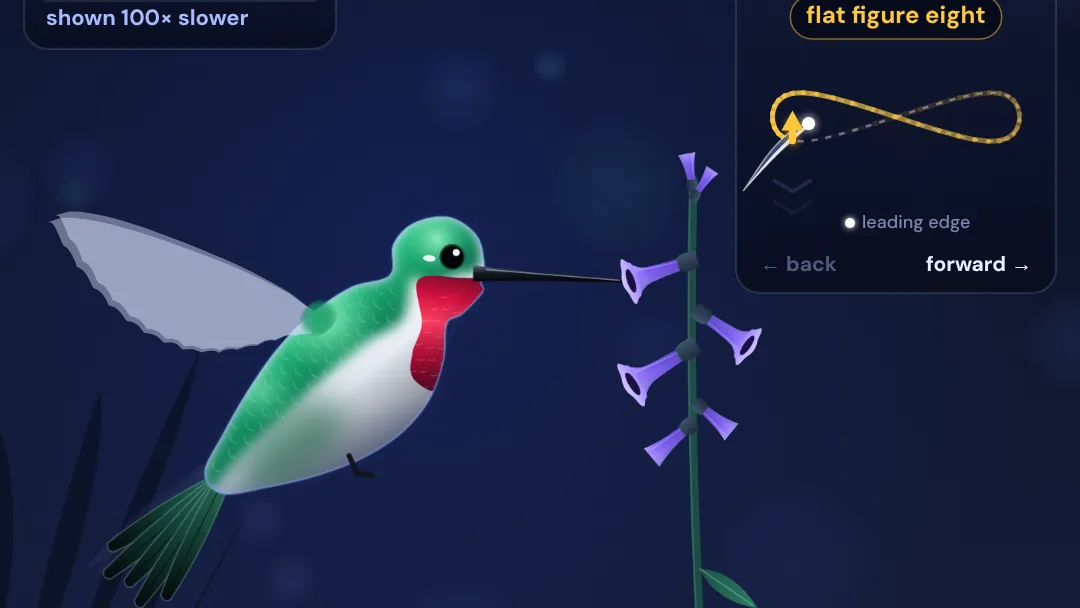
Stop a hummingbird's wing from flipping and watch its back stroke push the wrong way. Hovering flight, slowed way down.
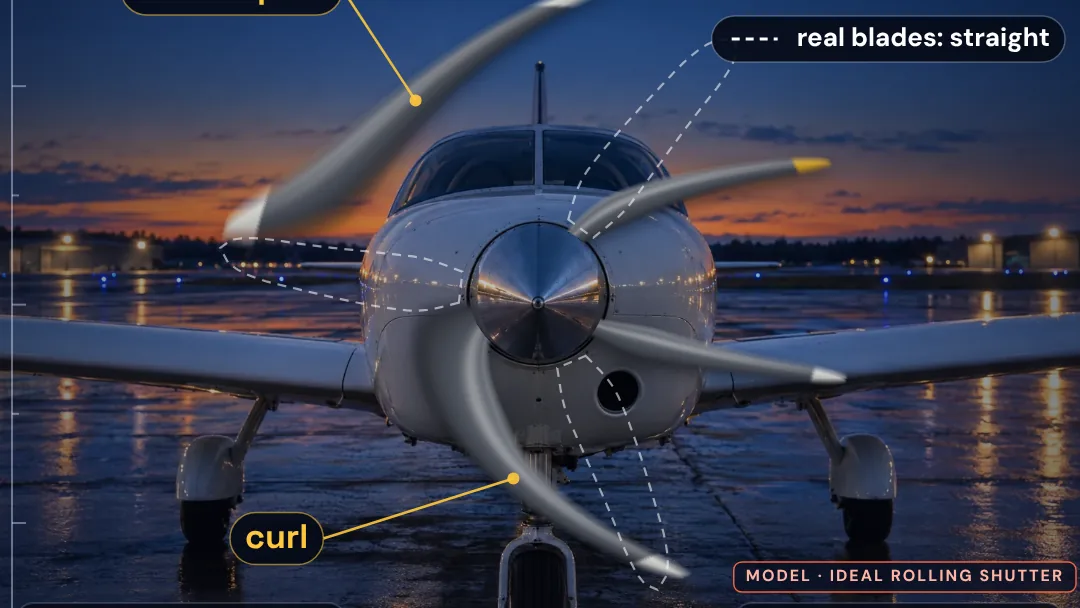
Spin a propeller and watch a phone camera read its sensor row by row, so straight blades come out curved.
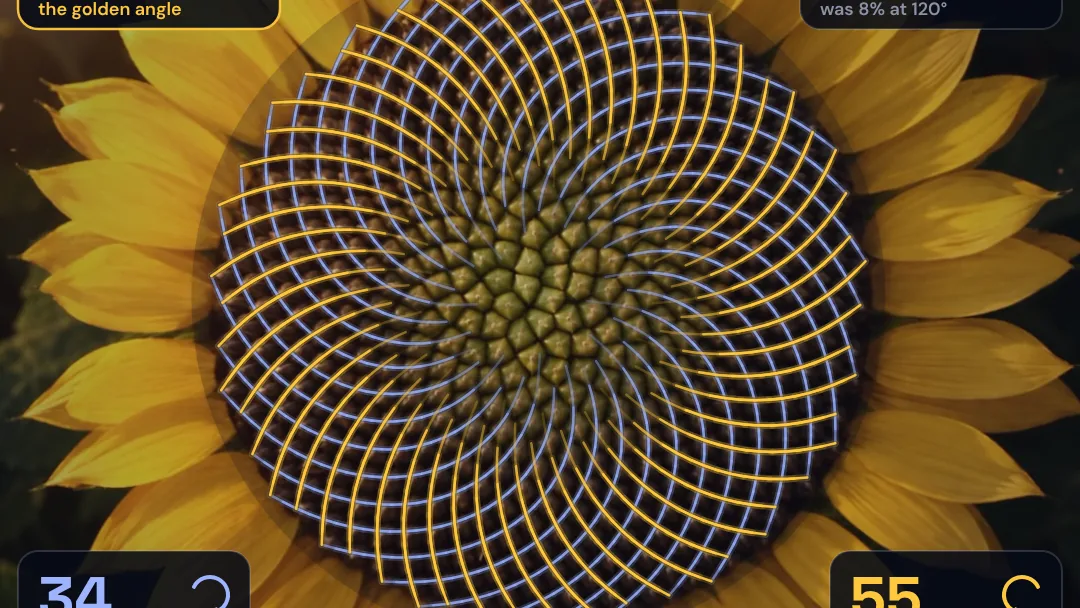
Turn each new seed by the same angle: 120° stacks seeds into three arms with gaps, while the golden angle packs them into 34 and 55 spirals.
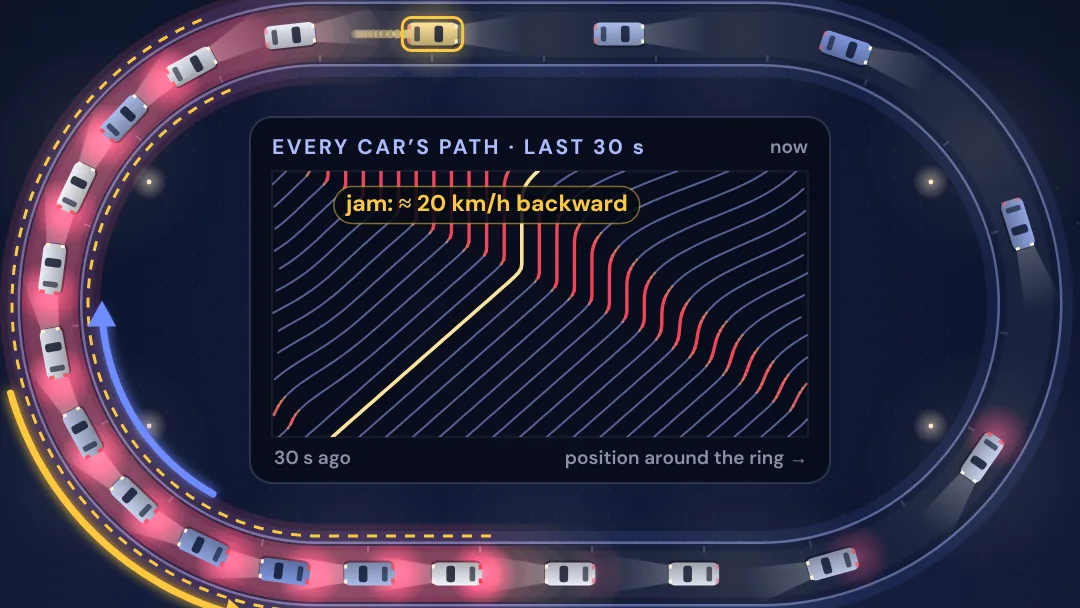
Add cars to a ring road and tap one driver's brakes: on a quiet road it fades, on a busy one it grows into a jam that drifts backward.
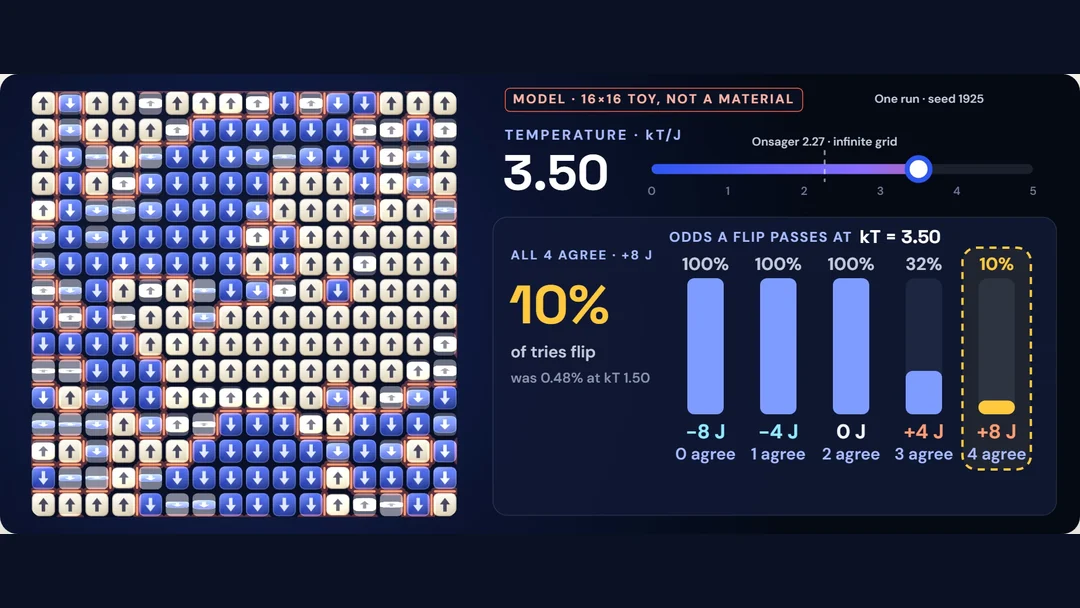
Drag the temperature and watch random thermal flips break up patches of matching spins. An interactive 16×16 Ising model, not a real material.
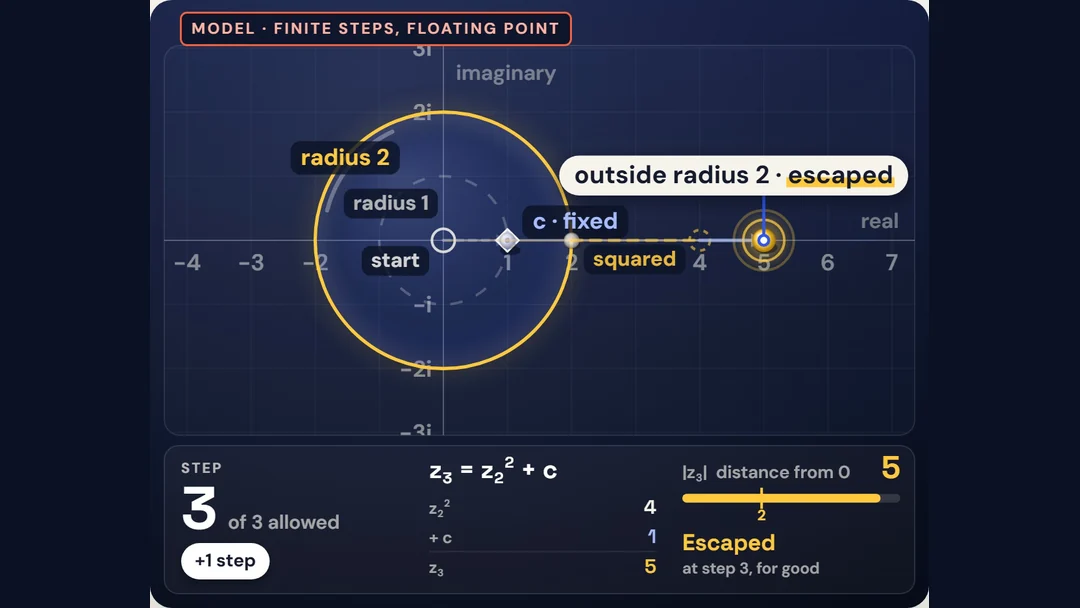
Hold c fixed, start at 0, and slide the steps: watch one point square, add c, and stay within radius 2 or escape. A finite-step model of z² + c.
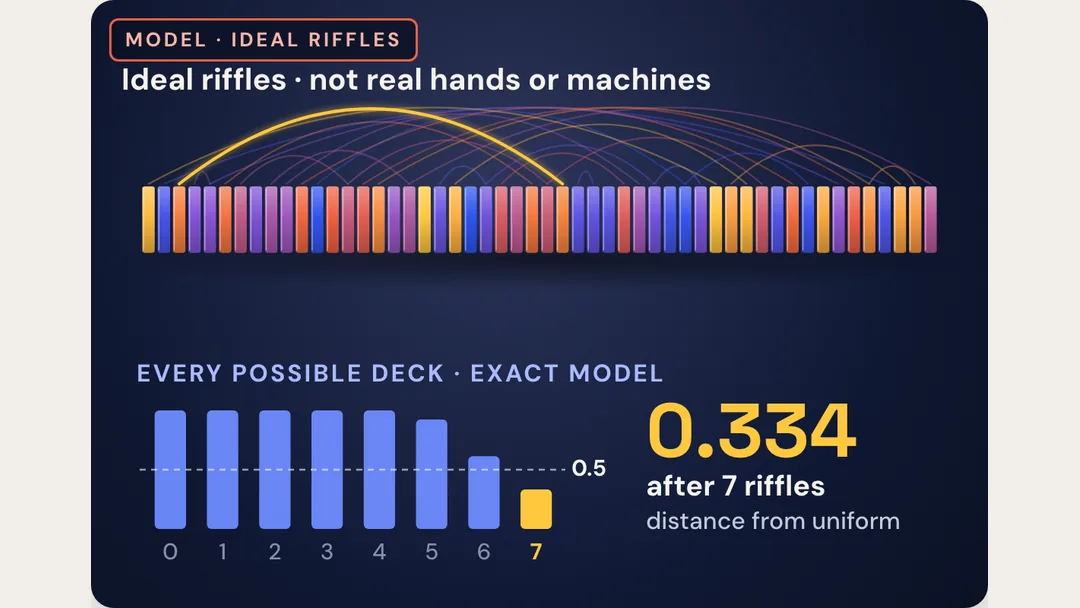
Drag the riffle count and watch a 52-card deck cut and interleave, while the exact model shows how far every possible deck is from uniform.
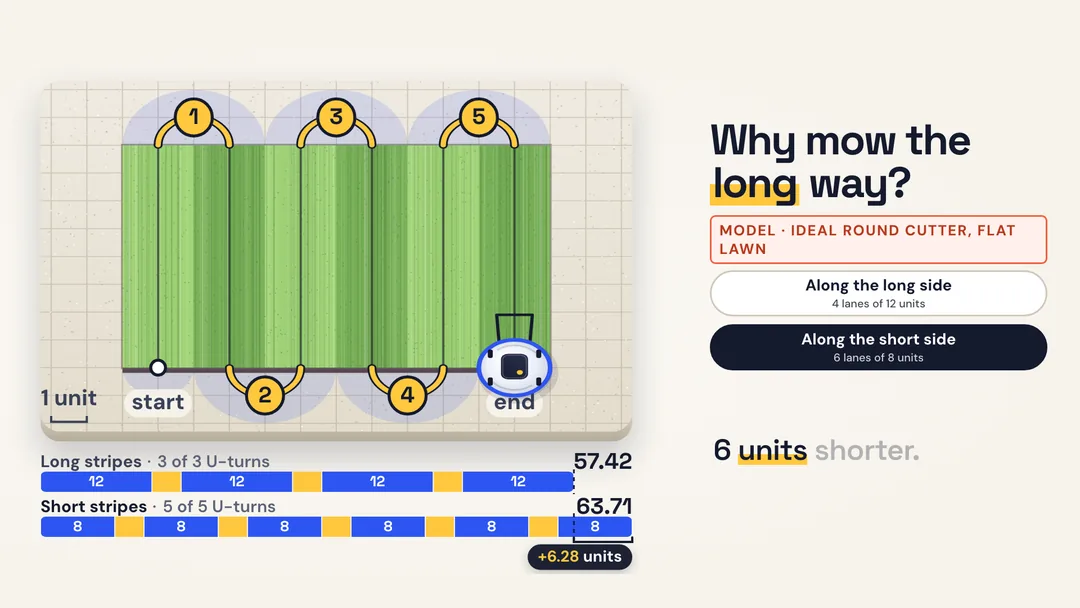
Flip the mowing stripes on a model lawn. Both ways cut the whole lawn with 48 units of lanes, but one needs 3 U-turns and the other 5.

Change sources and walls in a two-dimensional ripple tank to explore interference, diffraction and refraction.

Choose or draw a periodic waveform and compare it with its harmonic approximation.

Switch and edit circuit components while animated colors and dots show voltage and current. JavaScript port by Iain Sharp.

Change mass, spring stiffness and damping, or drag the mass, to compare the motion with its equation and graph.

Drag the masses or adjust gravity and rod lengths to explore small-angle motion and nonlinear double-pendulum behavior; rods are rigid and massless.
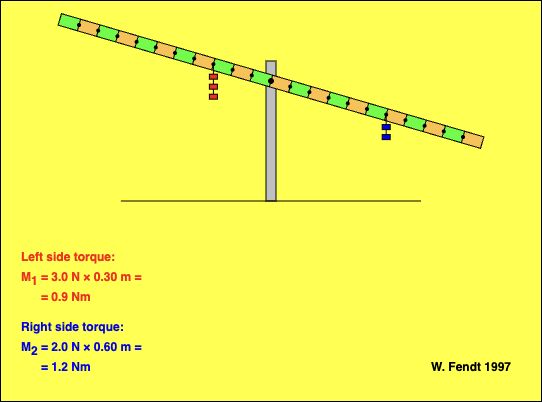
Add, move or remove equal weights on a lever and compare the torques on its two sides.
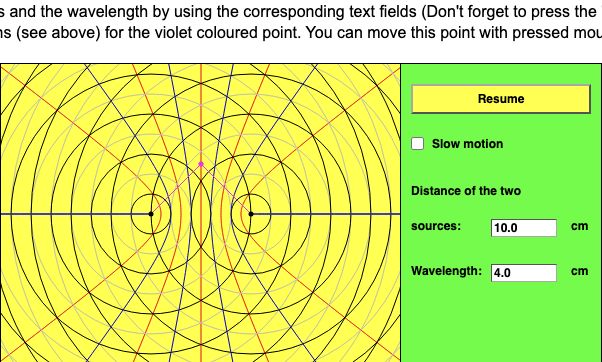
Change source separation and wavelength, then move a measurement point to relate path difference to constructive and destructive interference.
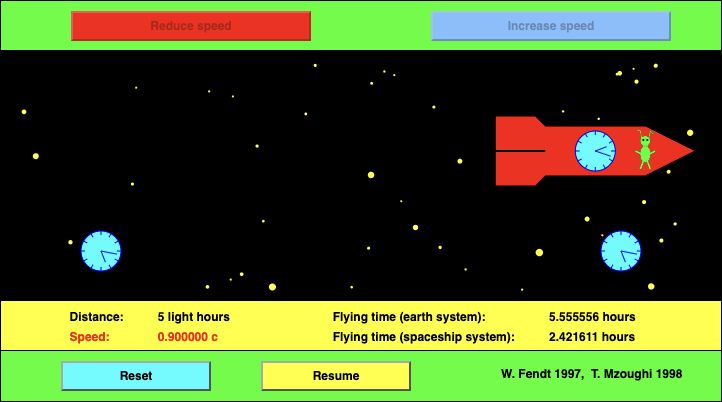
Adjust spacecraft speed and compare ship and stationary clocks in a simplified inertial model; the display omits length contraction. English translation by Taha Mzoughi.
An interactive mechanics model for a roller coaster loop that exposes initial height, radius, gravity, mass, velocity, and force displays. The source warns that its simplified circular geometry is unsuitable for a real coaster and neglects friction and ball rotation.
Tools: HTML5
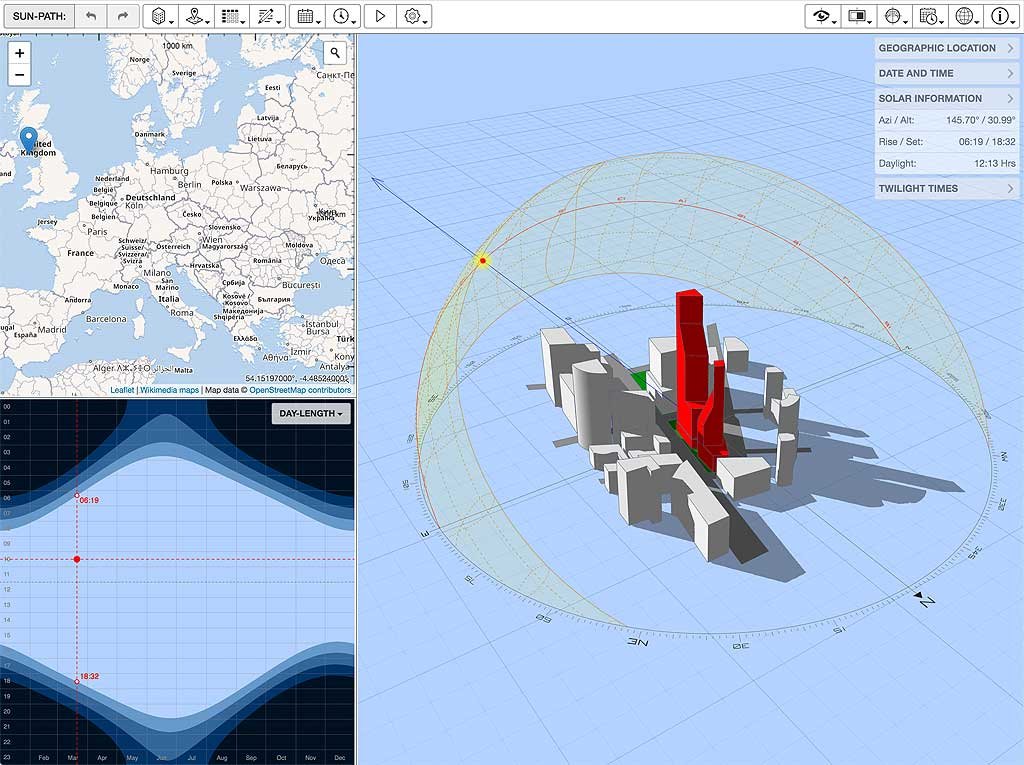
Move the geographic location and date to connect the annual solar path with day length and shadow projections.
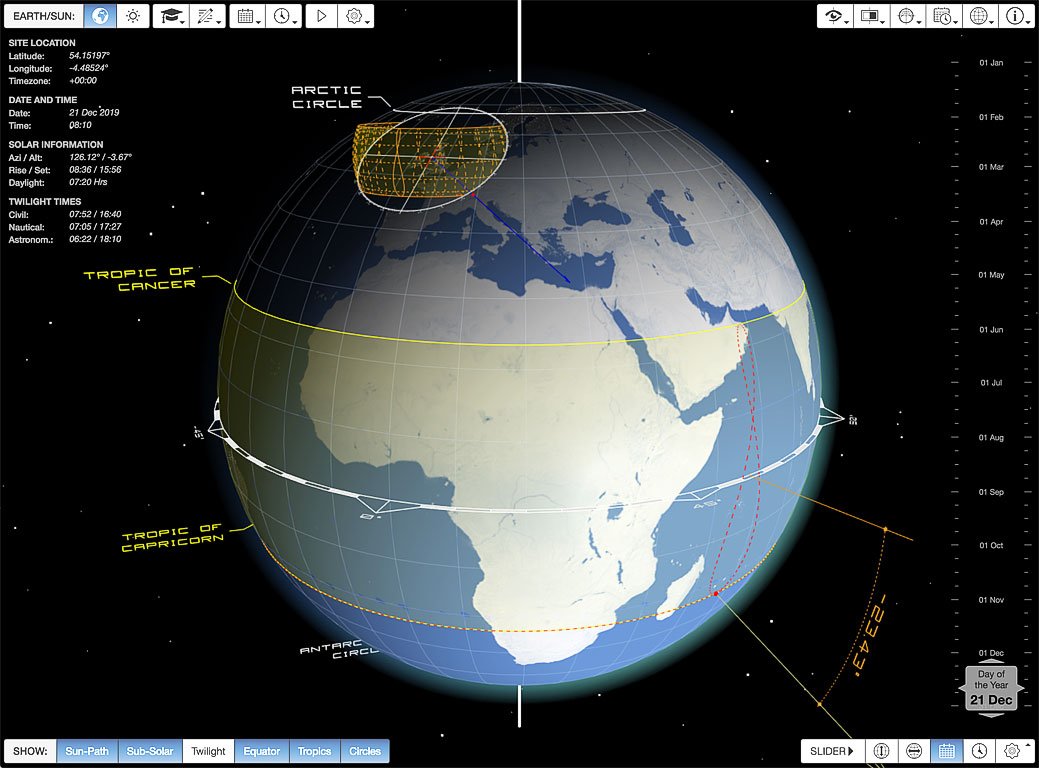
Switch geocentric and heliocentric views, dates and overlays to explore solar motion, twilight and latitude.
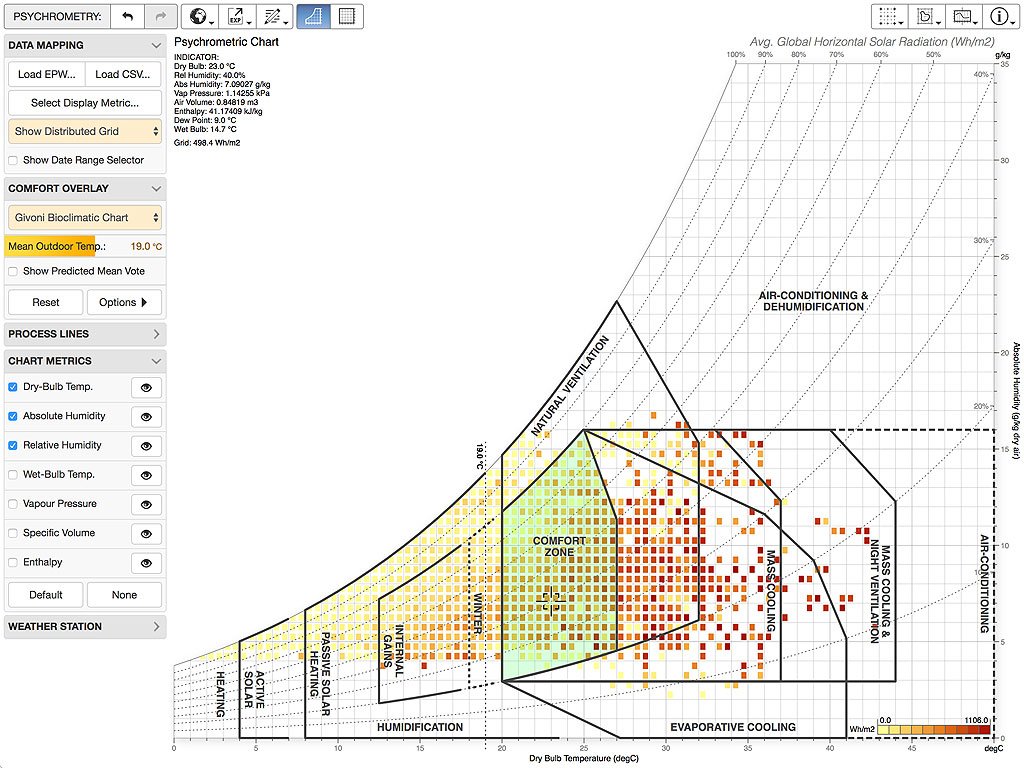
Toggle chart metrics and humidity representations to explore moist-air properties; optional weather data adds environmental context.
A browser app offering a JavaScript interface to the OpenCascade geometry kernel, compiled to WebAssembly, for scripting complex shapes through high-level or lower-level methods. It pairs a Monaco code editor with a model viewer for selecting faces, edges and vertices, and it exports shapes in several geometry formats. The page says OpenCascade keeps surfaces defined by continuous functions rather than facets across operations.
Tools: OpenCascade (WebAssembly), Monaco editor
A complete rewrite of an earlier polyhedra web app, presented as a showcase for the author's newer web framework. Users choose from known polyhedra and apply sequences of operations, including standard Conway and Hart operators and several extended modifiers the author developed, with added import and export options.
Change temperature, density and particle settings to explore emergent behavior in a two-dimensional Lennard-Jones model; large time steps can destabilize it.
Tools: HTML5, JavaScript
Change flow speed, viscosity and barriers to explore a two-dimensional lattice-Boltzmann fluid. Intended for educational demonstrations, not engineering prediction.
Tools: HTML5, JavaScript
Change temperature and lattice size in an idealized two-dimensional magnet to compare aligned regions and thermal fluctuations.
Tools: HTML5, JavaScript
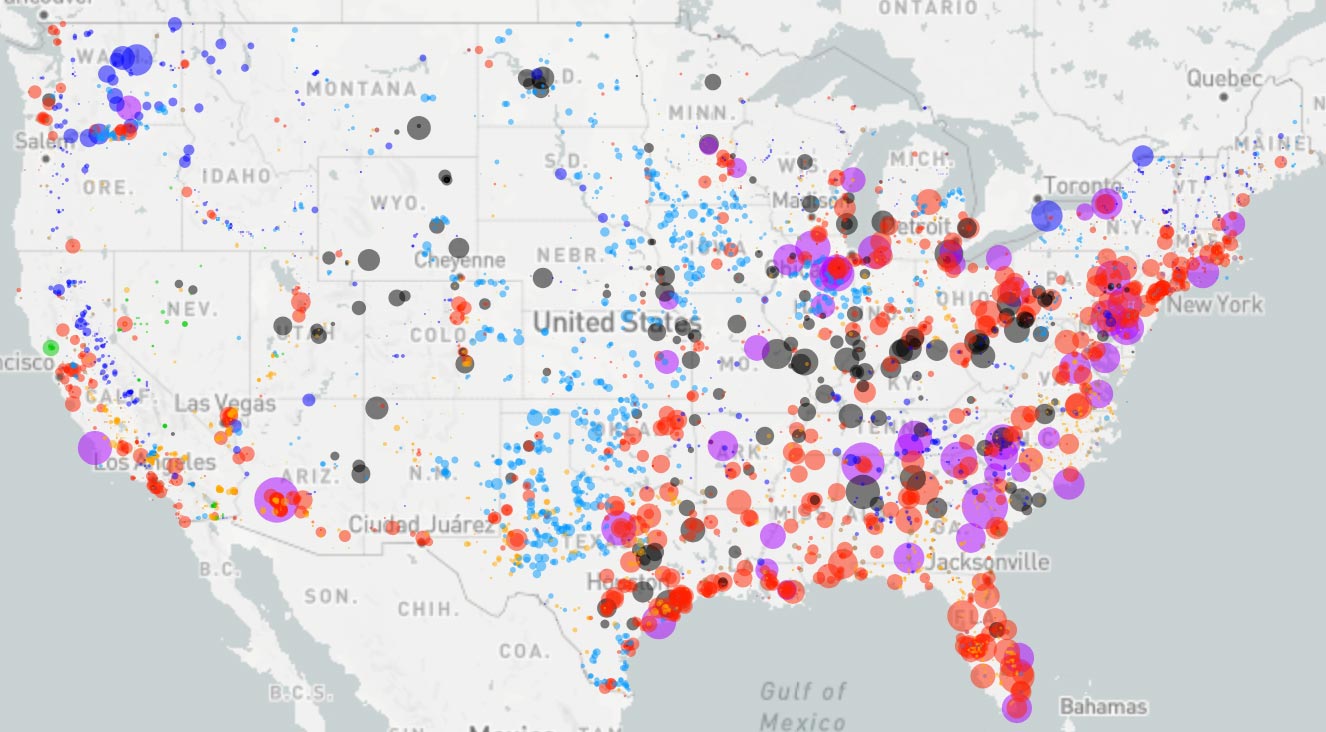
Interactive chart of U.S. energy-use data from 1800 to the present.
Tools: HTML5, JavaScript

Explore a sheep-and-enclosures analogy for the statistical tendency toward equilibrium and the emergence of irreversible behavior.
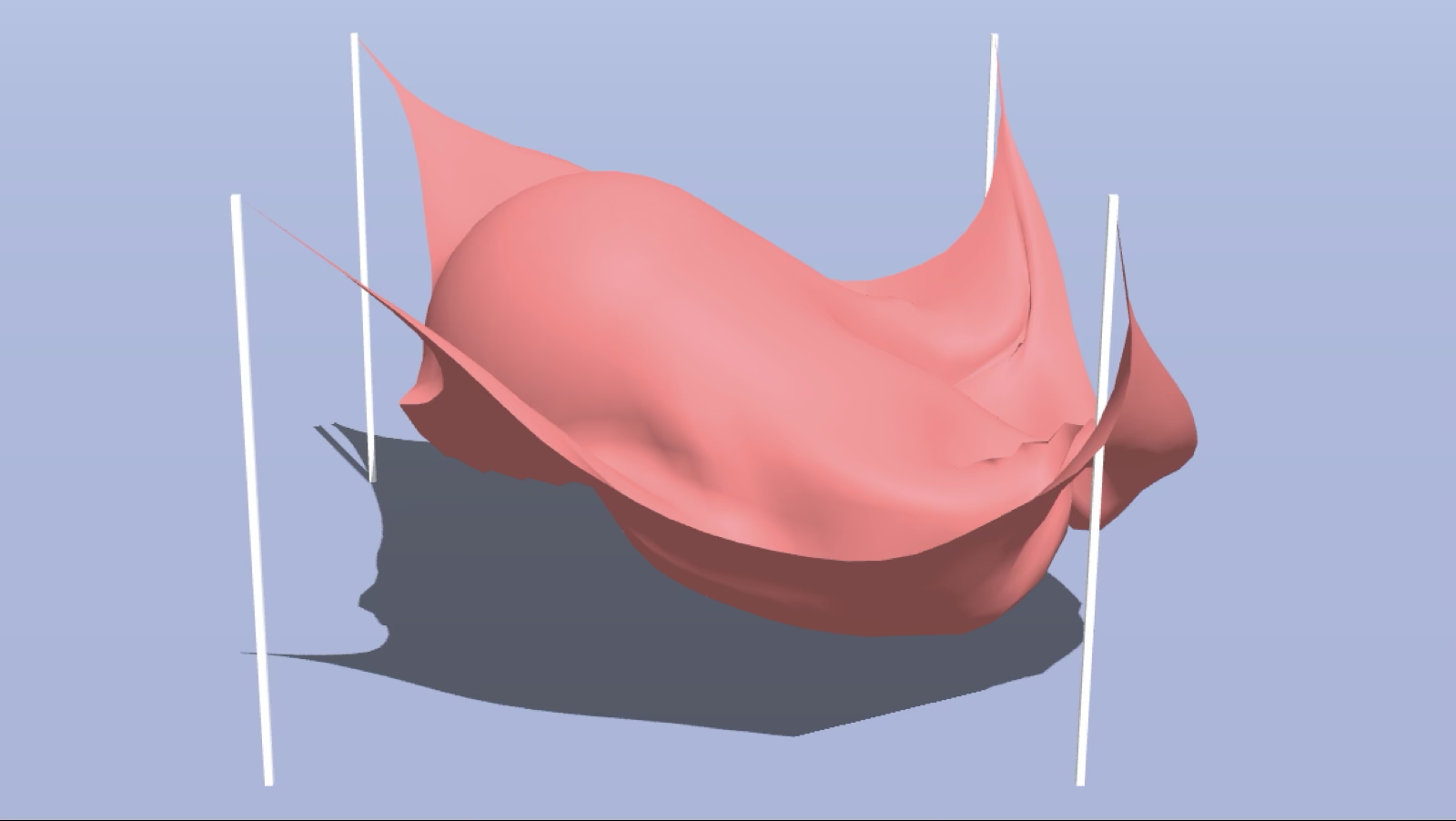
Change wind, pinned constraints and cloth properties in a spring-based cloth model by Aatish Bhatia, Demi Fang and Sigrid Adriaenssens.
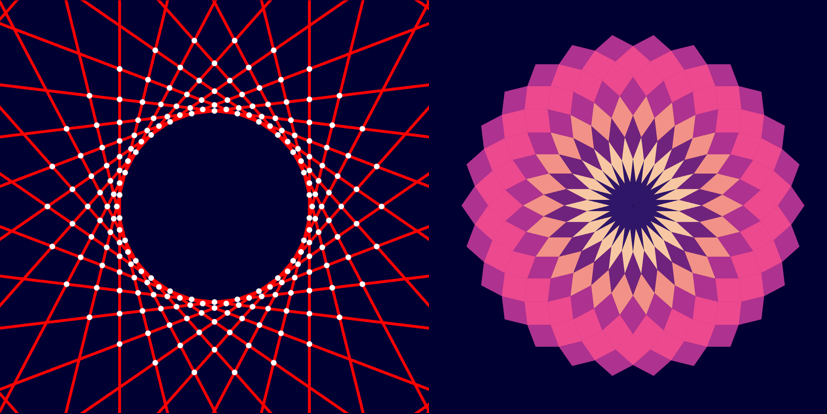
Lets visitors create and explore quasiperiodic tiling patterns.
A guide to synthesizing sounds with the wave equation.

An interactive essay on how masks can help halt Covid.
An interactive investigation that trains a GPT on one million generated 15-puzzle solutions, then compares performance on typical, easy, and already-solved boards; the author reports 99.9% success on randomly scrambled test boards and failures on easy edge cases.
Tools: GPT, 15-puzzle
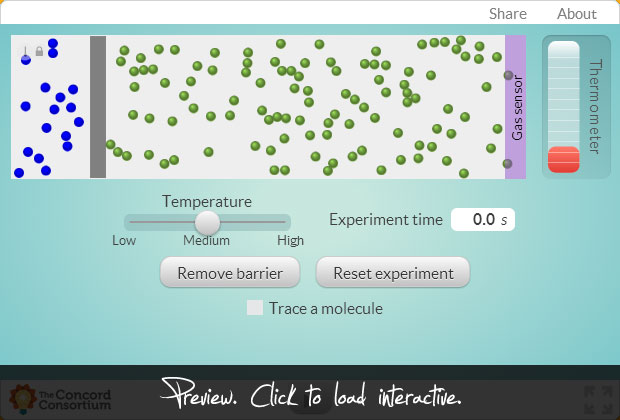
Set temperature, remove the barrier and compare how long molecules take to reach a sensor; trace a molecule’s path.
Tools: HTML5
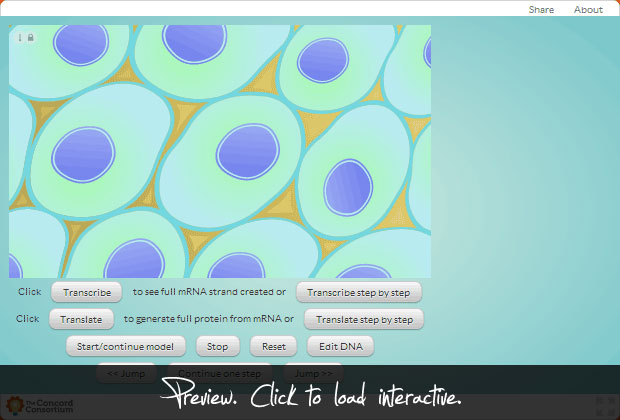
Step through transcription and translation, edit DNA and inspect the resulting protein in a simplified molecular model.
Tools: HTML5
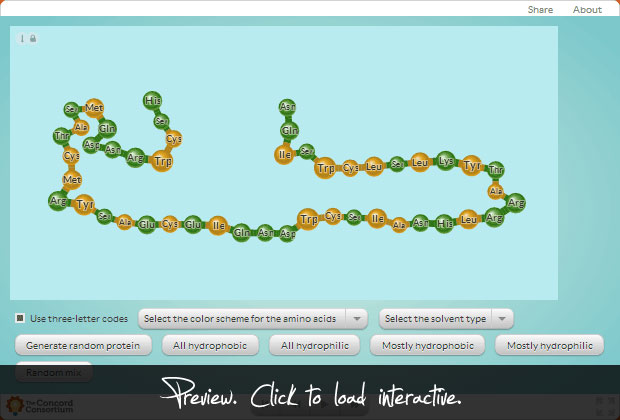
Change the solvent and peptide composition to explore how hydrophobic and hydrophilic interactions affect a simplified protein model.
Tools: HTML5
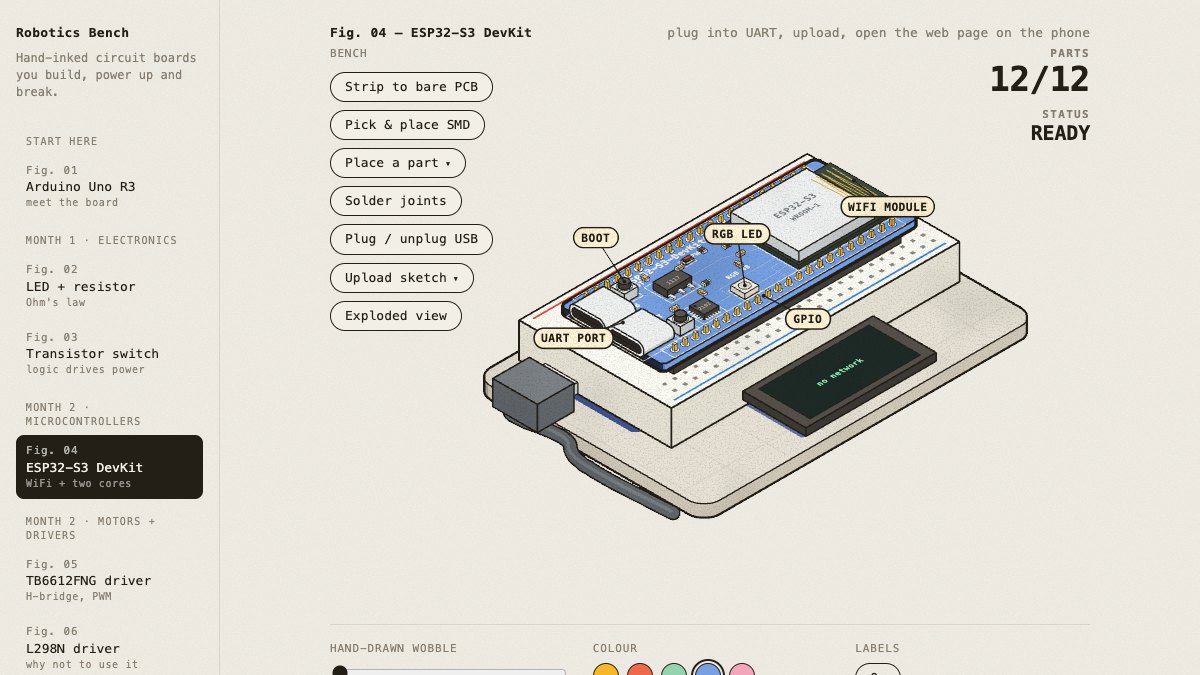
Strip a circuit board, place its components, and power it up across thirteen illustrated electronics and robotics figures.
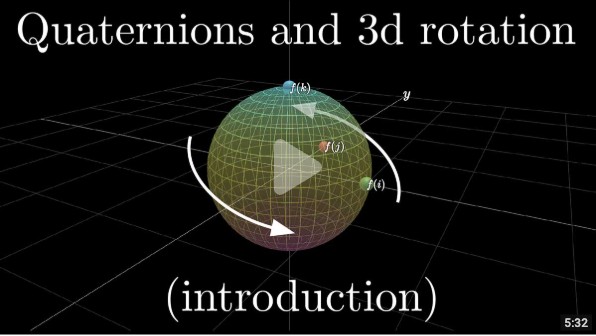
Explore quaternion rotations through an explorable lesson series. Lessons by Grant Sanderson (3Blue1Brown); interactive technology by Ben Eater.
A multi-part hardware series that builds a computer around the 6502 microprocessor, with lessons and video installments on the official project page.
Tools: 6502 microprocessor
A hands-on digital clock build using discrete TTL logic chips, listed as a separate series on Ben Eater’s official project index.
Tools: TTL logic
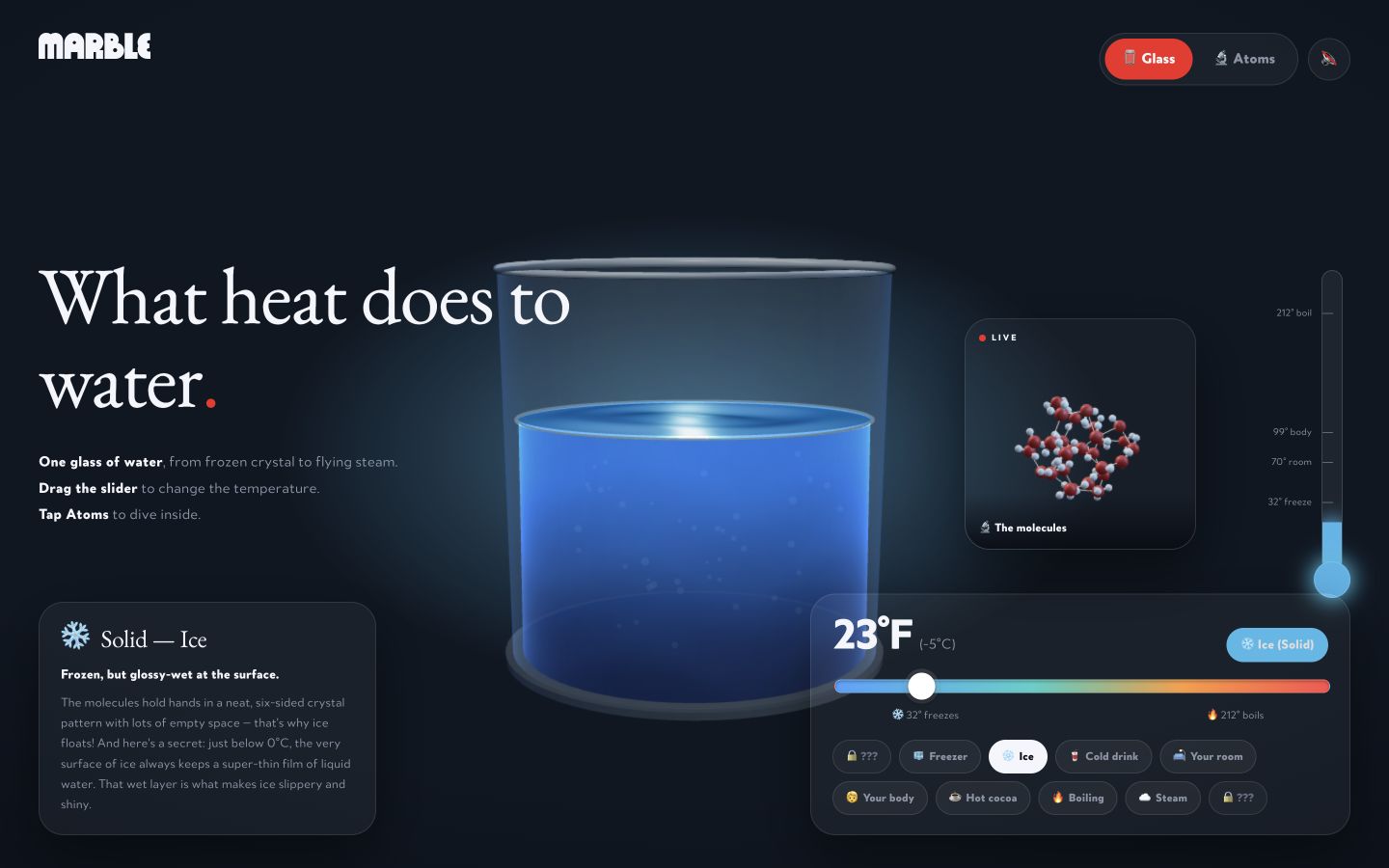
Change the temperature and switch between a glass of water and a molecular view to explore freezing, melting and evaporation. A visual teaching model by Marble; open the original experiment on its creator’s site.
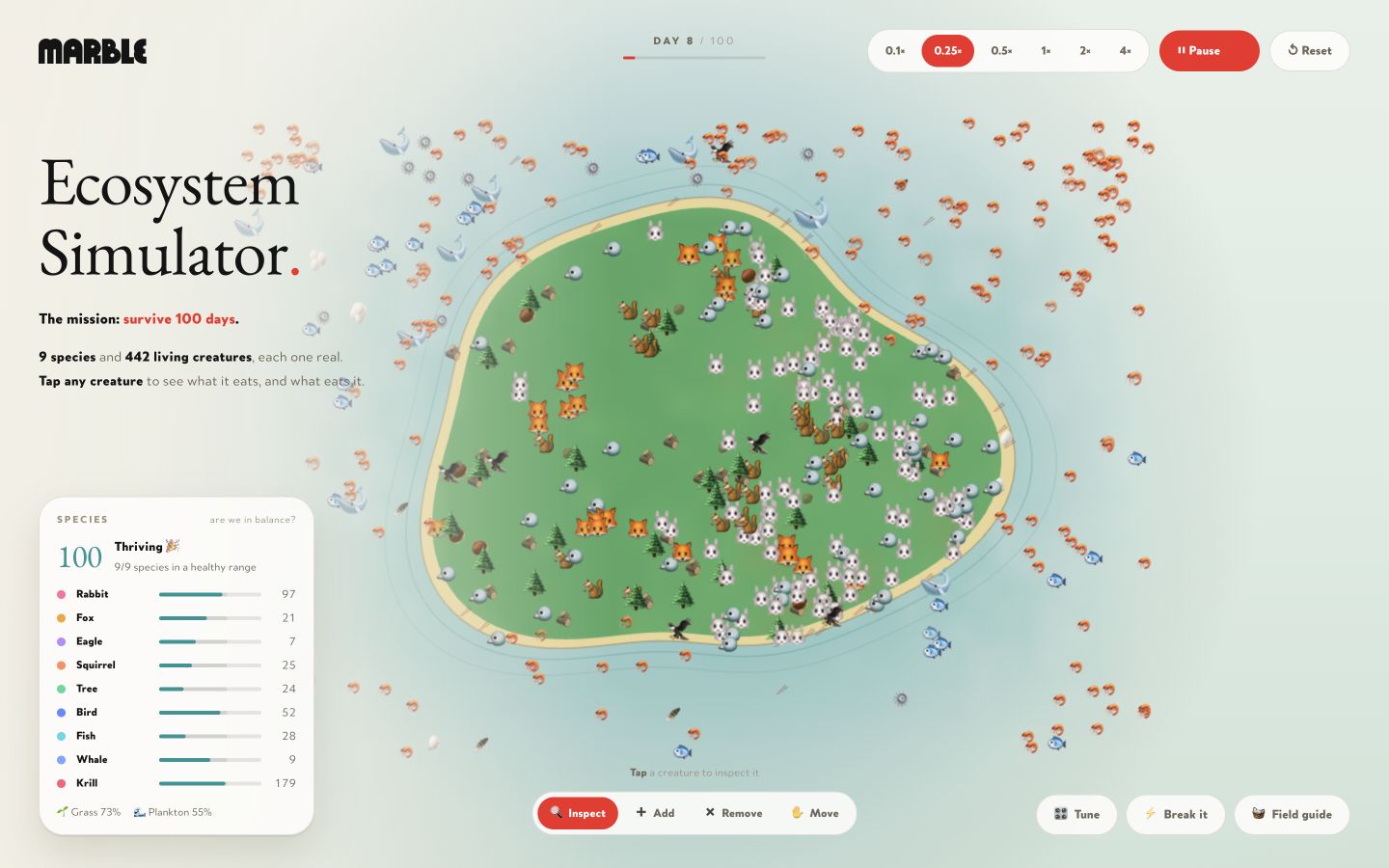
Inspect an island’s simulated species and change feeding relationships to see the populations respond. An illustrative toy food web, not an ecological forecast; its survival score belongs to the model.

Beta learning world for children aged 6 to 12, where kids craft, build, draw, go on quests and play quizzes on an island while the world adapts to their curiosity.
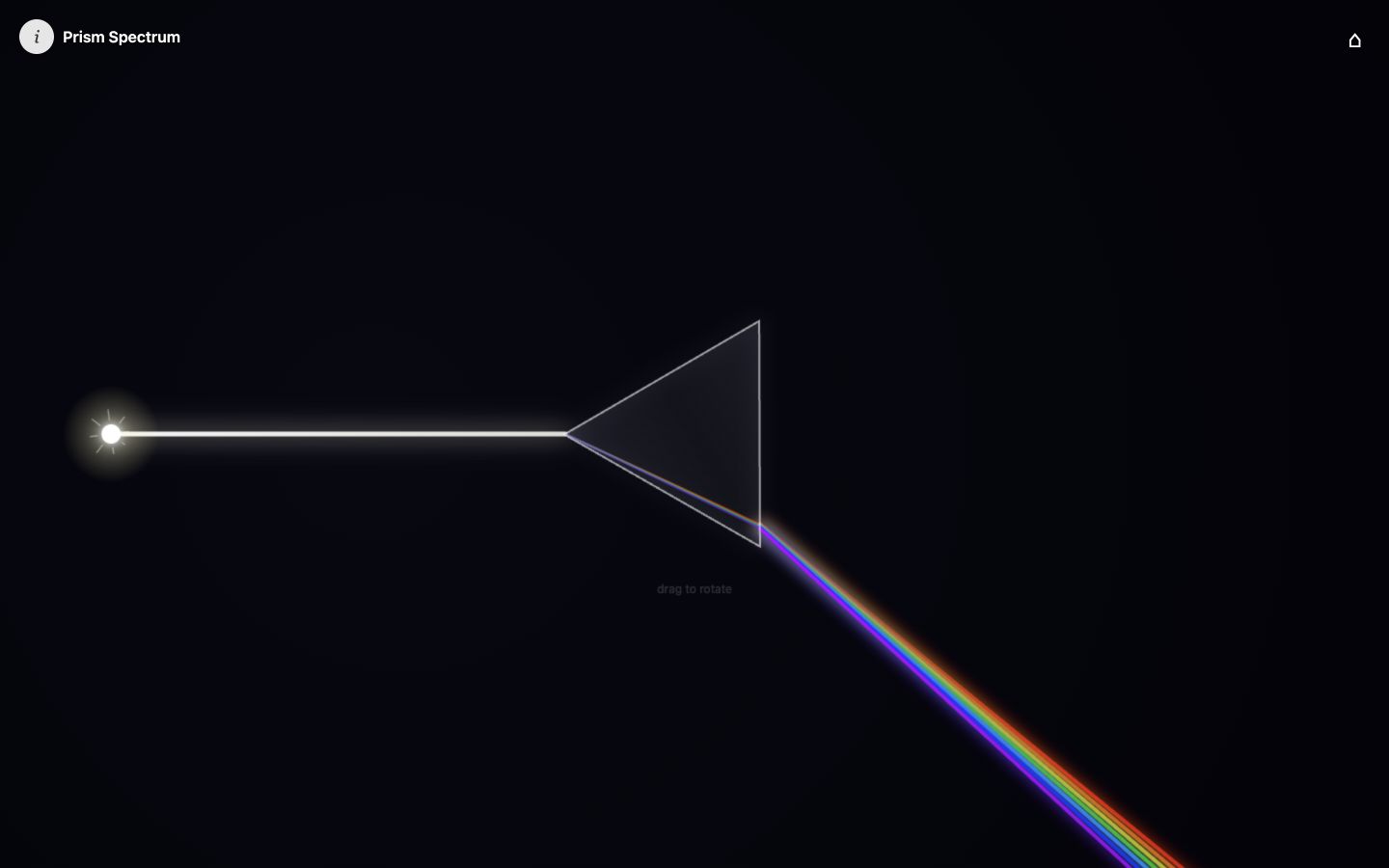
Rotate a glass prism and follow white light as it separates into colors. A simplified visual explanation of dispersion by @shekitup, from the Sims collection.
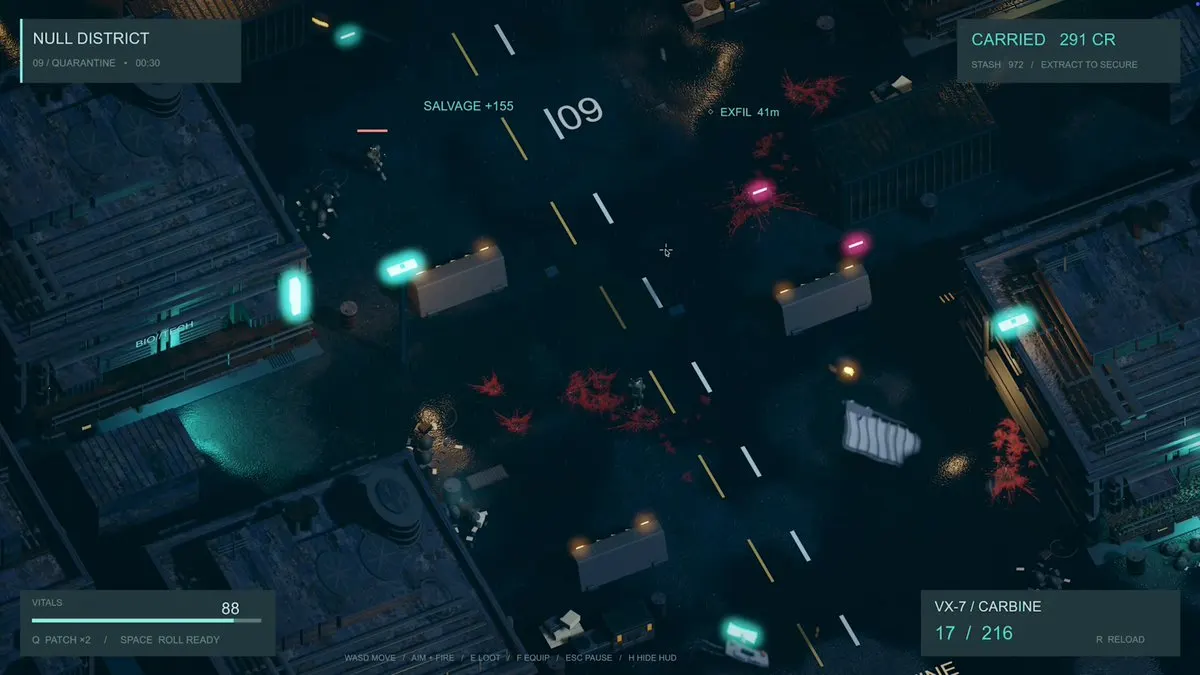
Top-down multiplayer extraction shooter with graphics, sounds, and gameplay created through Blender and Unity.
Tools: Blender, Unity
Social post · Content unverifiedPilot a survey ship through a silent universe. Chart strange worlds and discover what happened to the stars.
Tools: Claude Code, Blender
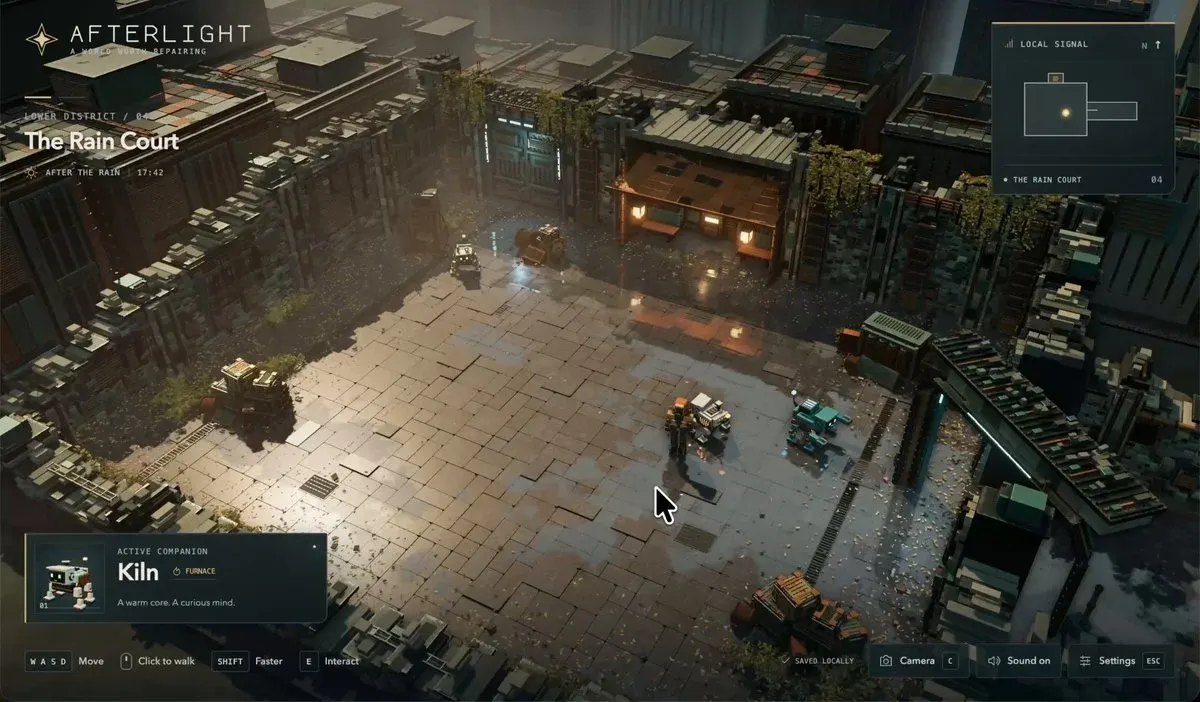
A moody 3D game environment whose creator credits image generation as the key to its visual quality.
Tools: Codex, Blender MCP
Social post · Content unverified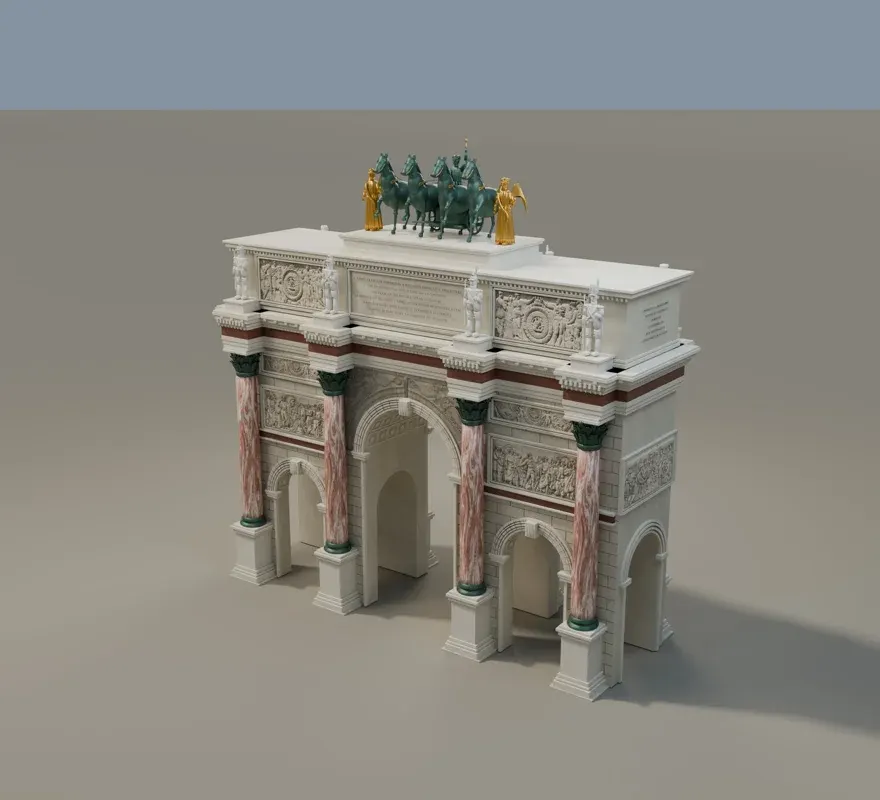
A scale reconstruction informed by historical drawings and photographs of recent restoration work.
Tools: Blender
Social post · Content unverified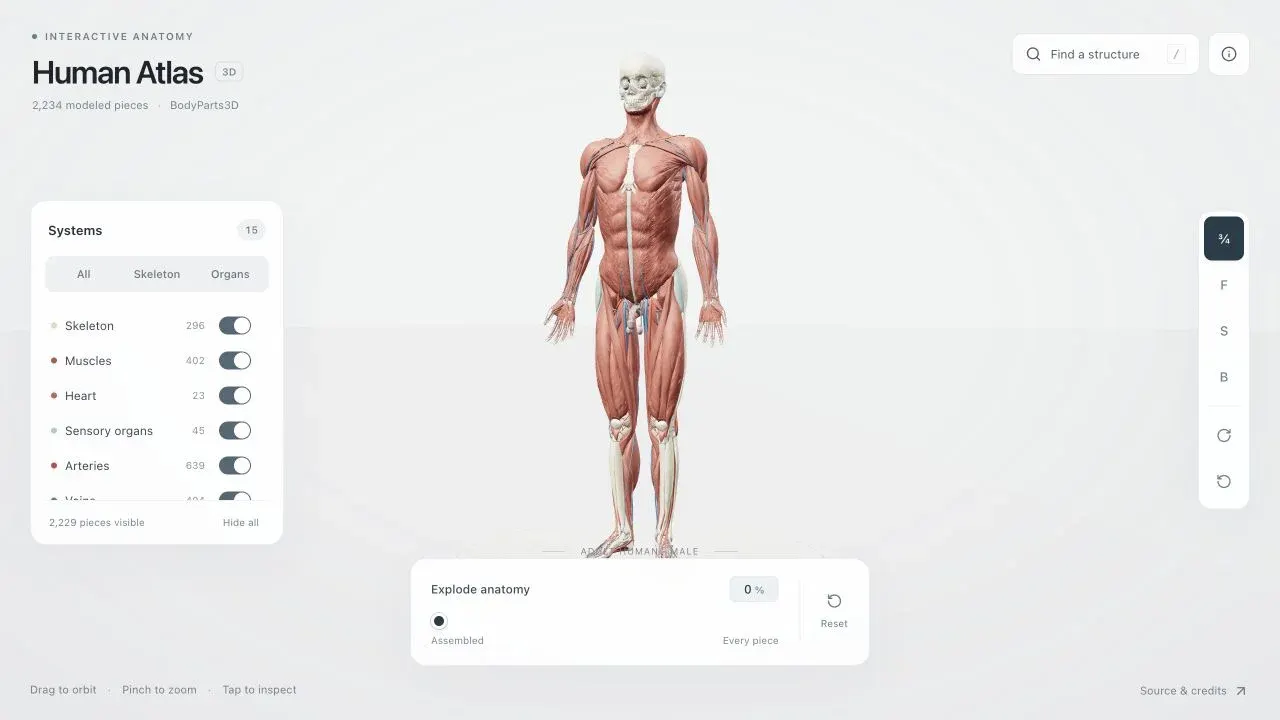
Explore 2,234 selectable anatomy meshes, switch between 15 systems, and pull the body apart into an exploded view.
Tools: React
Original link unavailable at last check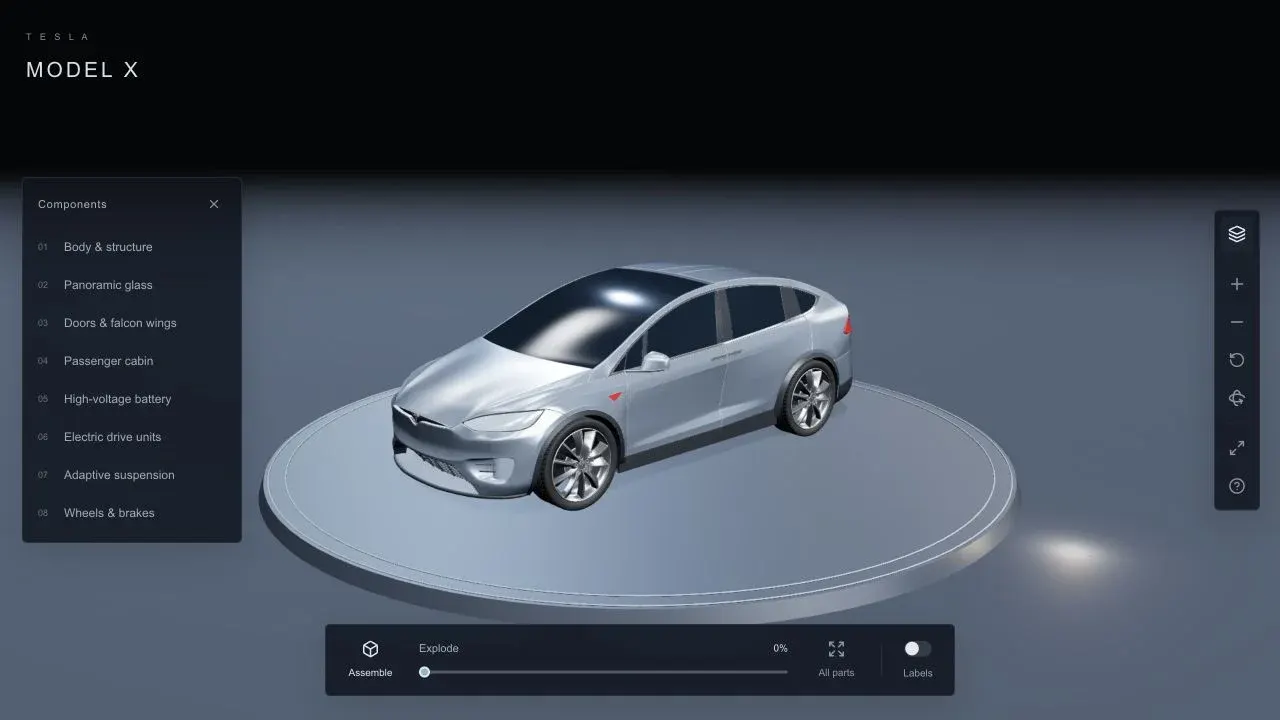
Orbit a Tesla Model X, isolate components, and explore an exploded view of 334 individual mesh pieces.
Tools: React
Original link unavailable at last check
A script that takes a tweet and blocks its author and the accounts that liked it, as described in the creator's post.
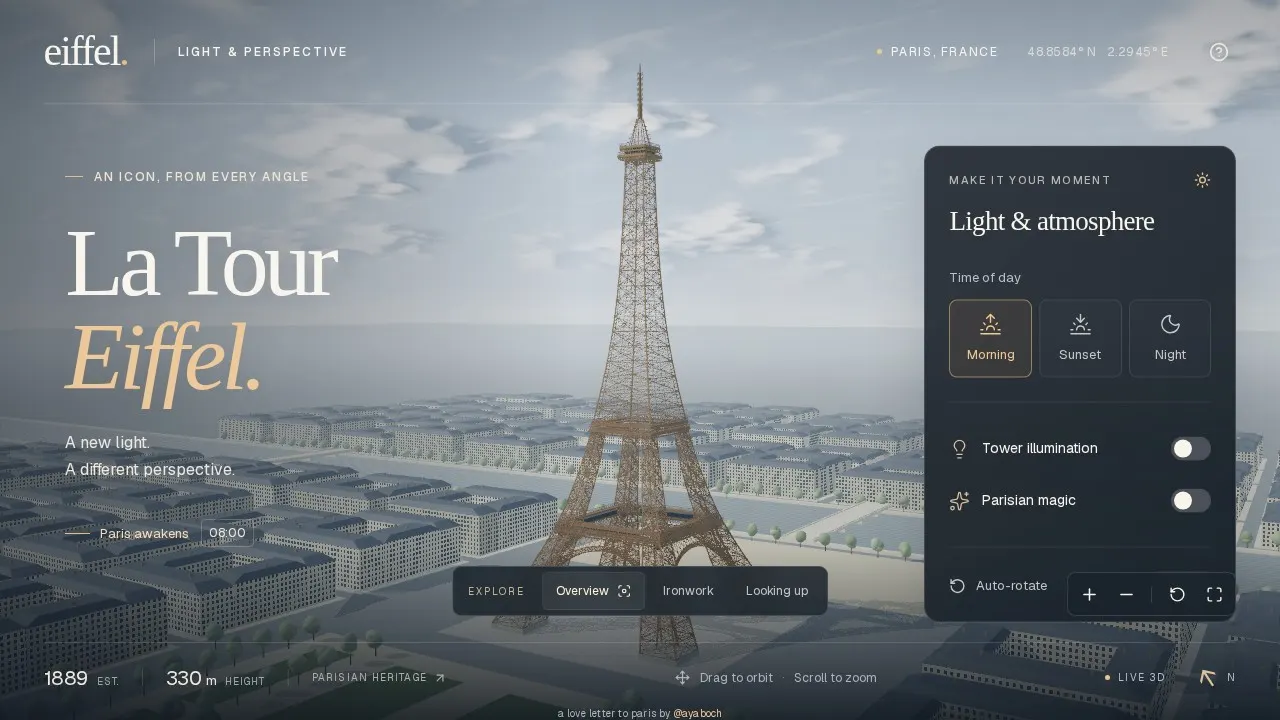
Interactive Eiffel Tower exploration with dynamic lighting and perspective controls in browser.
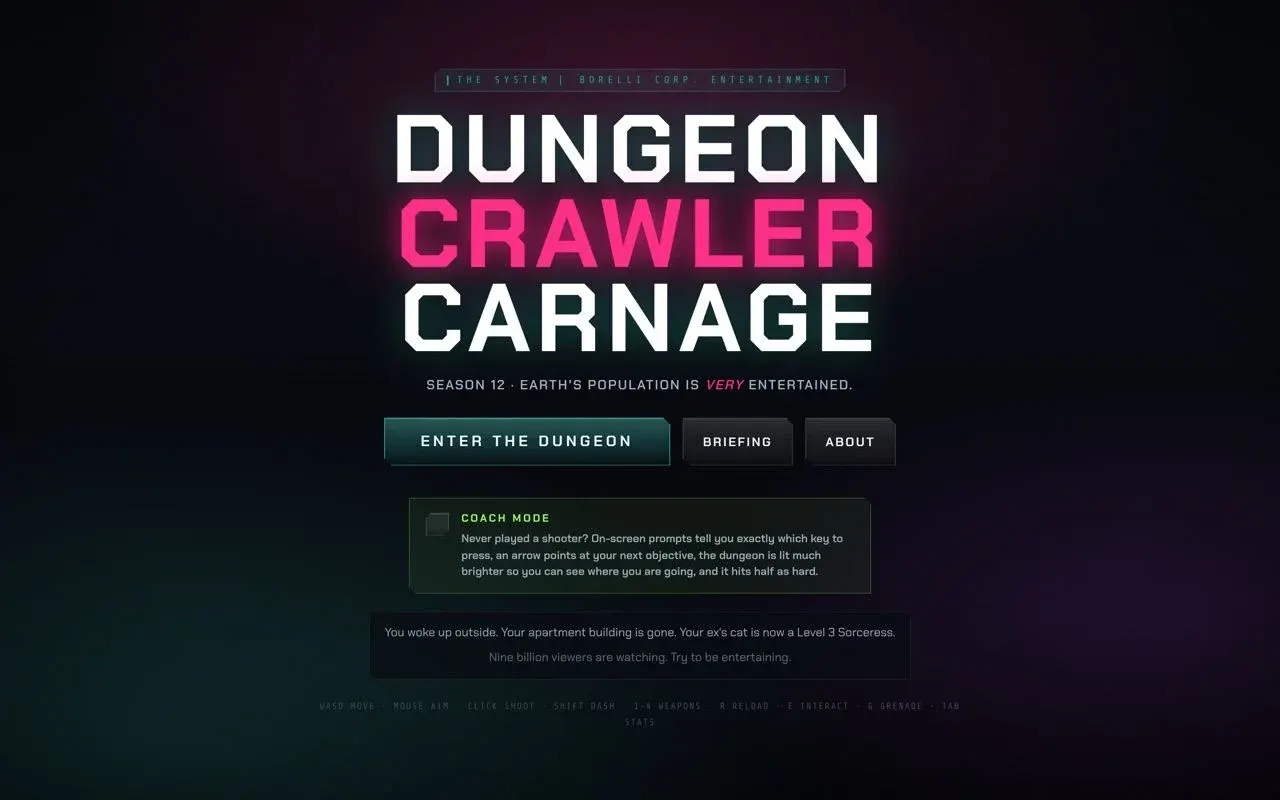
A browser dungeon shooter with a focus on fast combat and chaotic encounters.
Tools: Gauntlet Loop
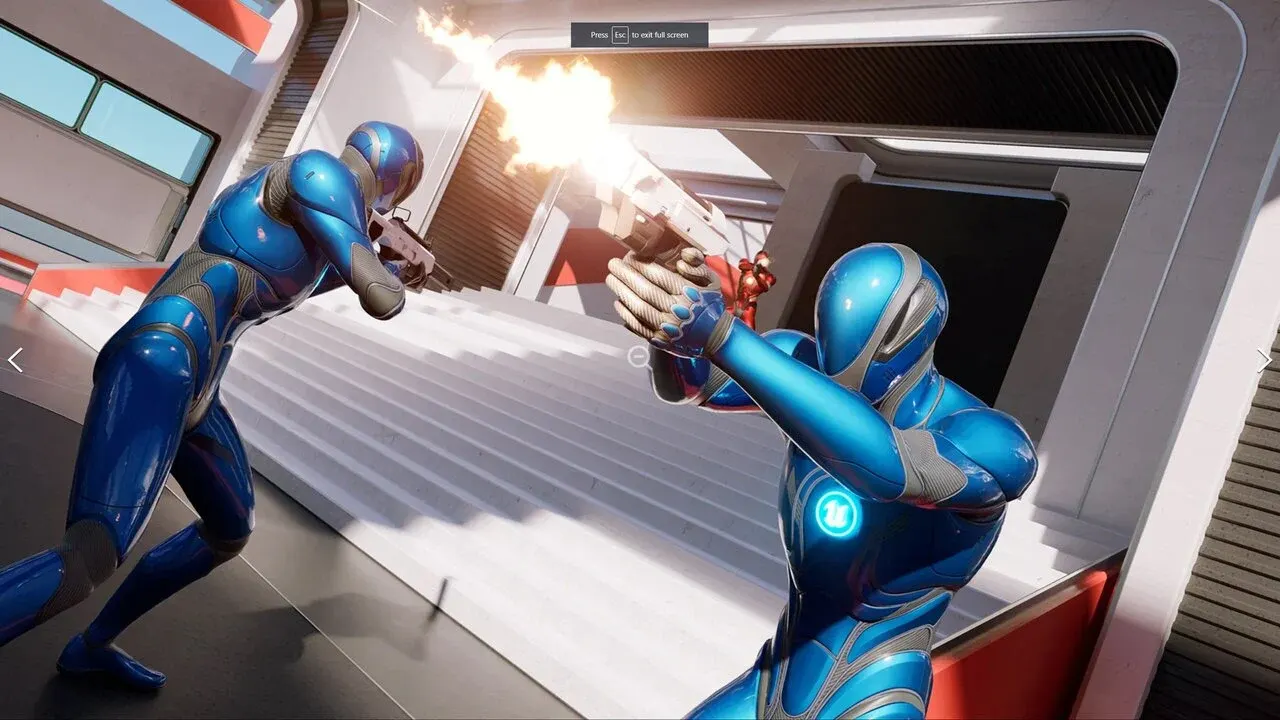
A playable foundation for Unreal projects, with sample arenas and modular game systems.
Tools: Unreal Engine
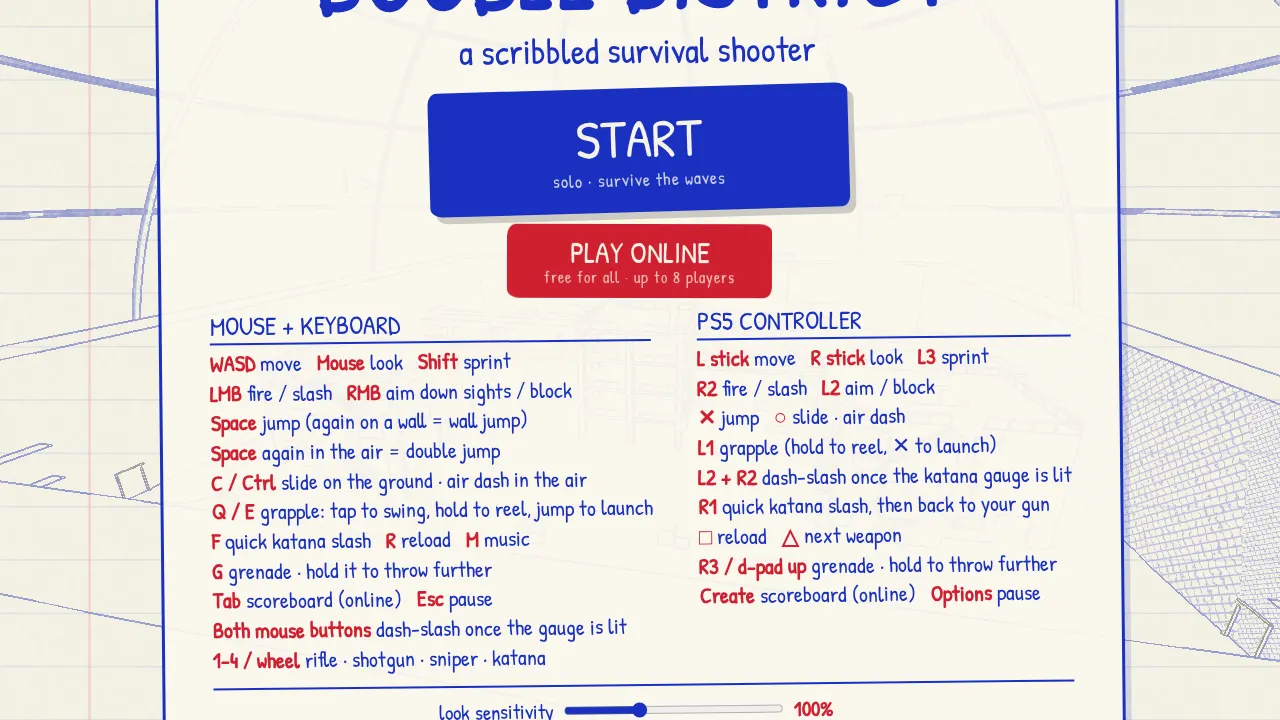
Fast-paced doodle-style shooter in a vibrant district setting with browser-based 3D gameplay.
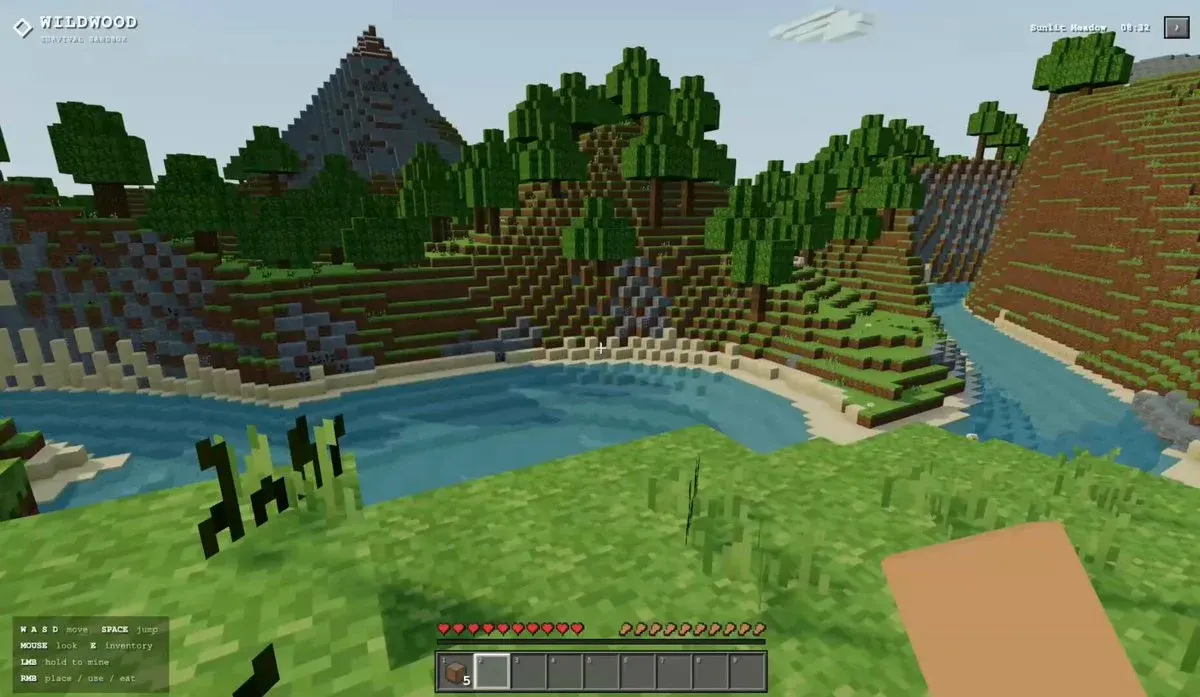
A Minecraft-inspired world built in a single prompt, shared as a video demonstration.
Social post · Content unverified
A community skill implementation for Claude and Codex.
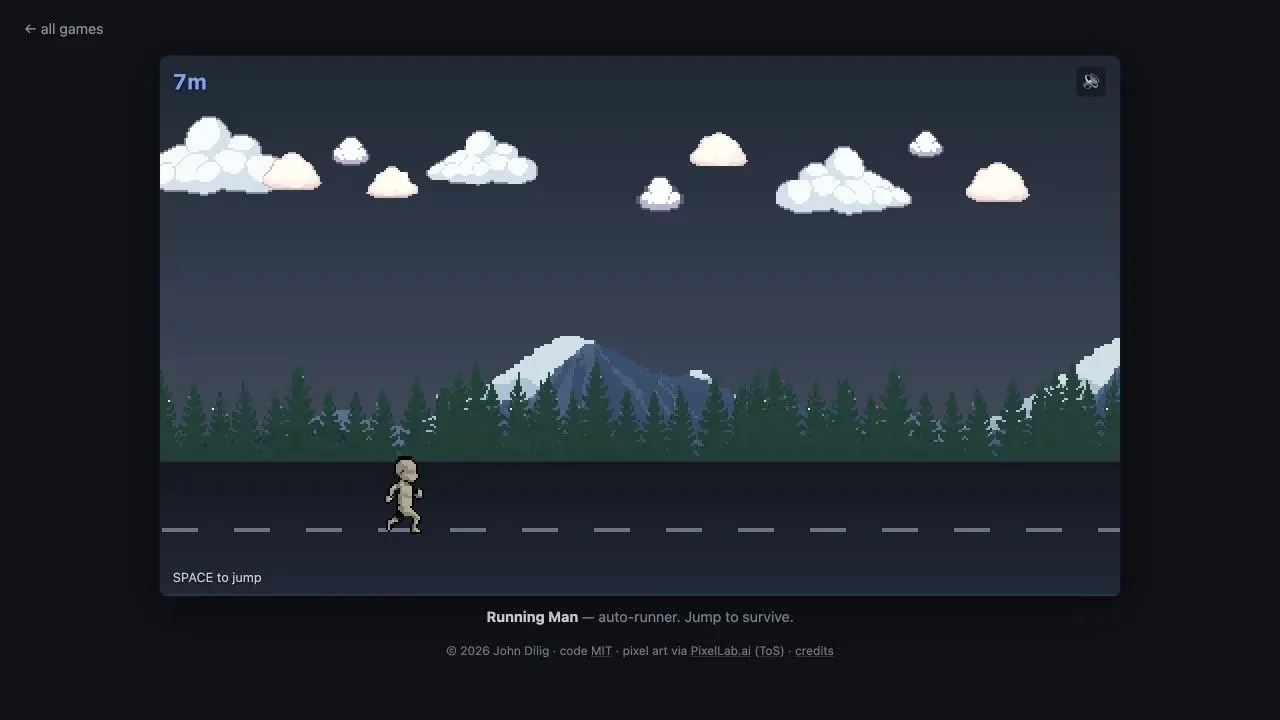
A pixel-art auto-runner. Jump obstacles and see how long you can keep going.
Tools: Claude Code
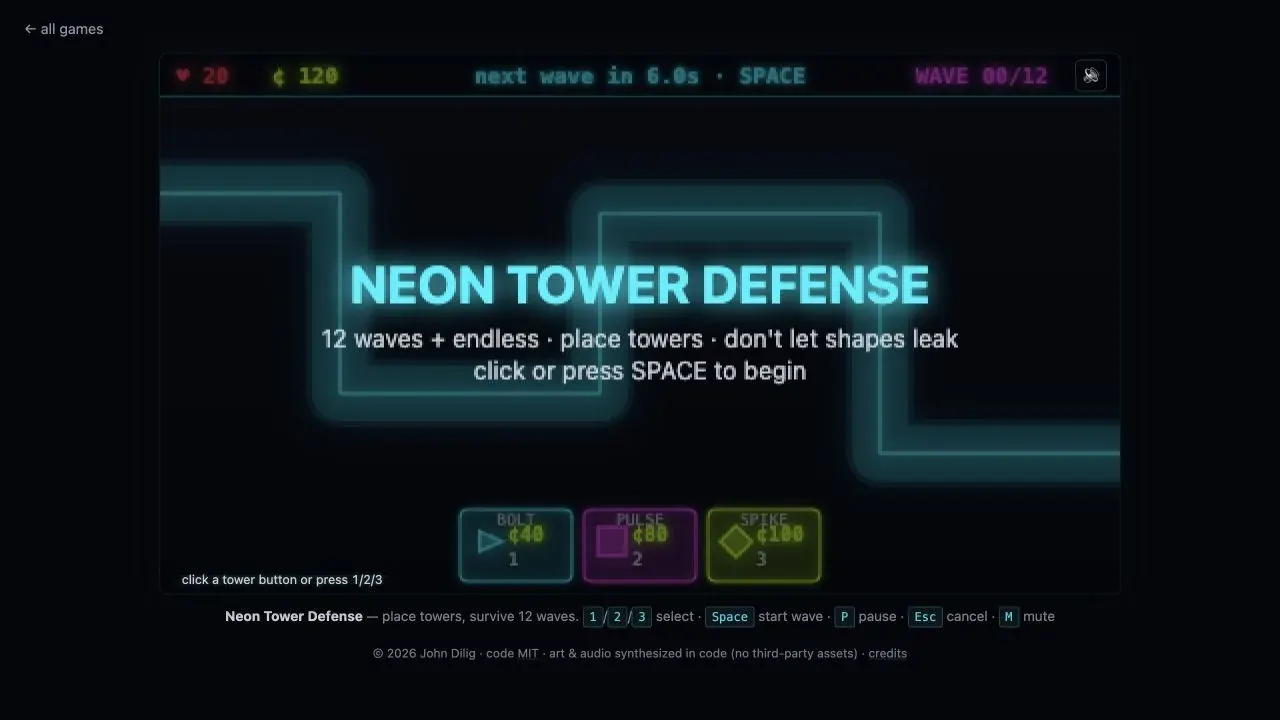
Build a defense against waves of geometric enemies in a glowing, minimal arena.
Tools: Claude Code
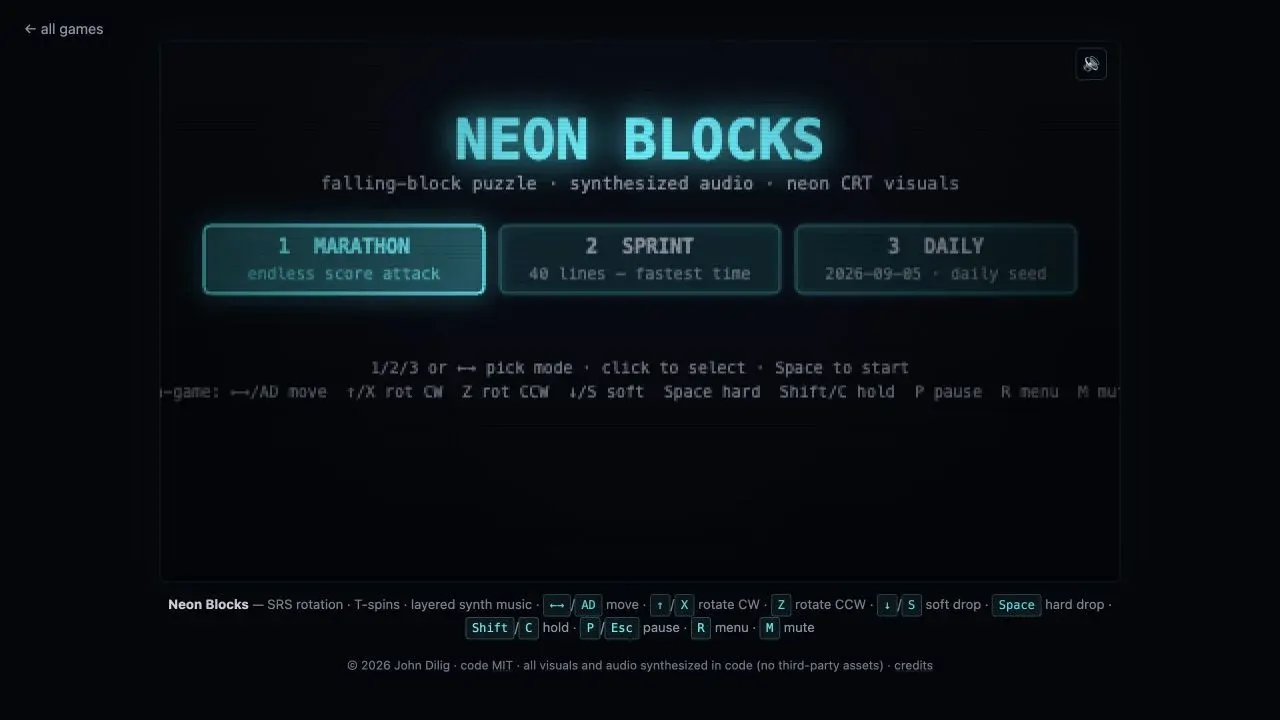
Stack falling neon pieces in a familiar arcade puzzle built with browser-native graphics.
Tools: Claude Code
Collection of browser-based game demos built with Claude Code, according to the repository description on the profile.
Tools: Claude Code

Text-based game clone themed on Uma Musume, listed as pinned on the profile.

React component library of AI-powered UI components for building apps quickly.
Tools: React, TypeScript

Original browser tank game created, designed, and directed by Kevin B. Liu. The project page identifies Claude and Codex as development tools and credits Kevin with the original procedural tank models.
Tools: Claude Code, Codex
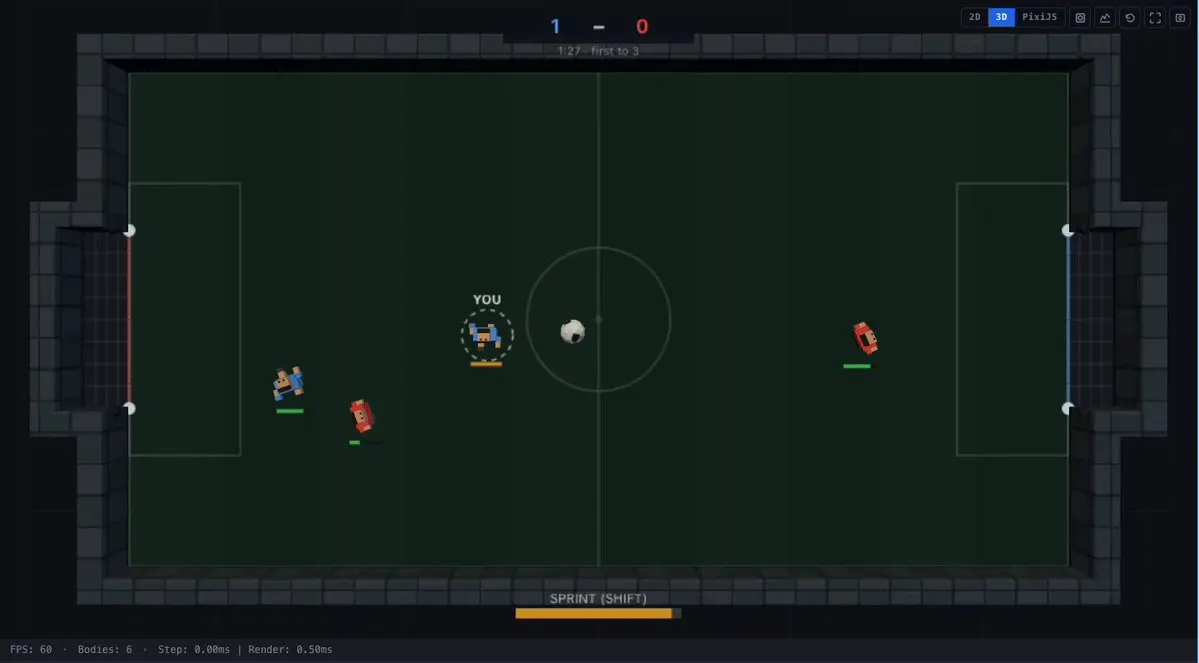
3D soccer game with realistic physics powered by NapeJS. Kick the ball around a detailed 3D pitch.
Tools: NapeJS
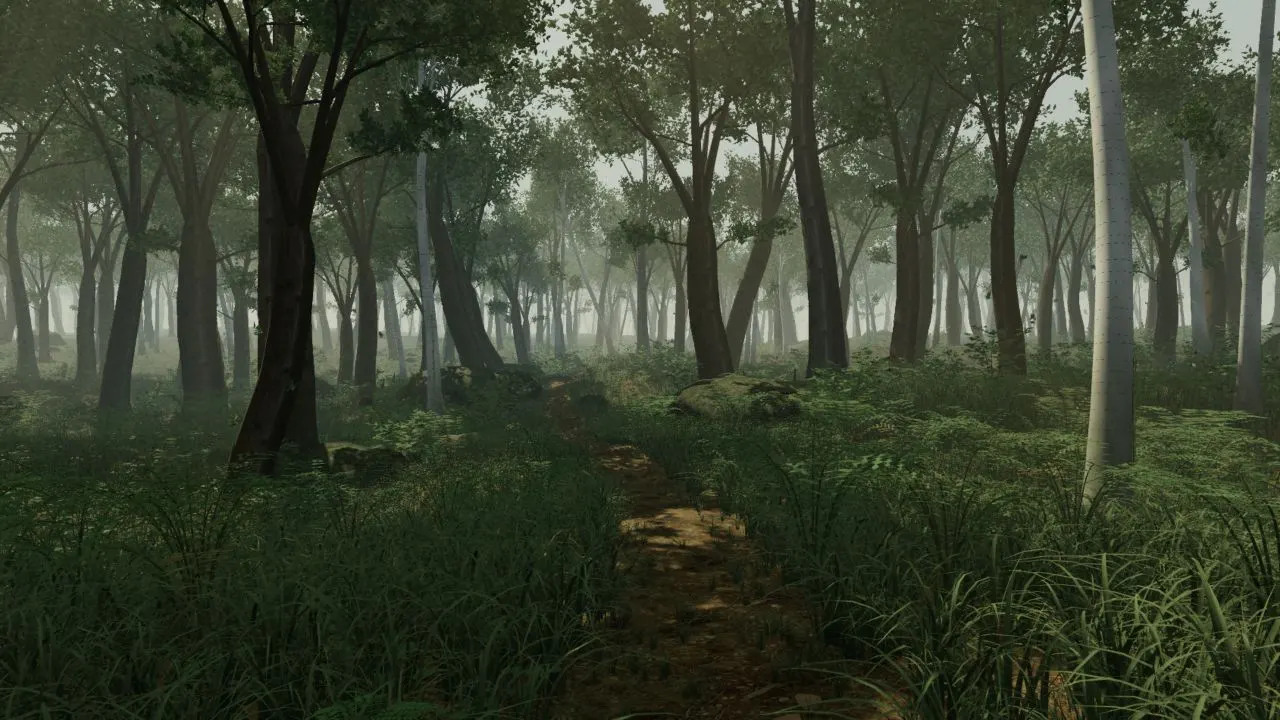
Wander beneath a dense forest canopy, through ferns, soft light, and mist in a real-time 3D woodland.
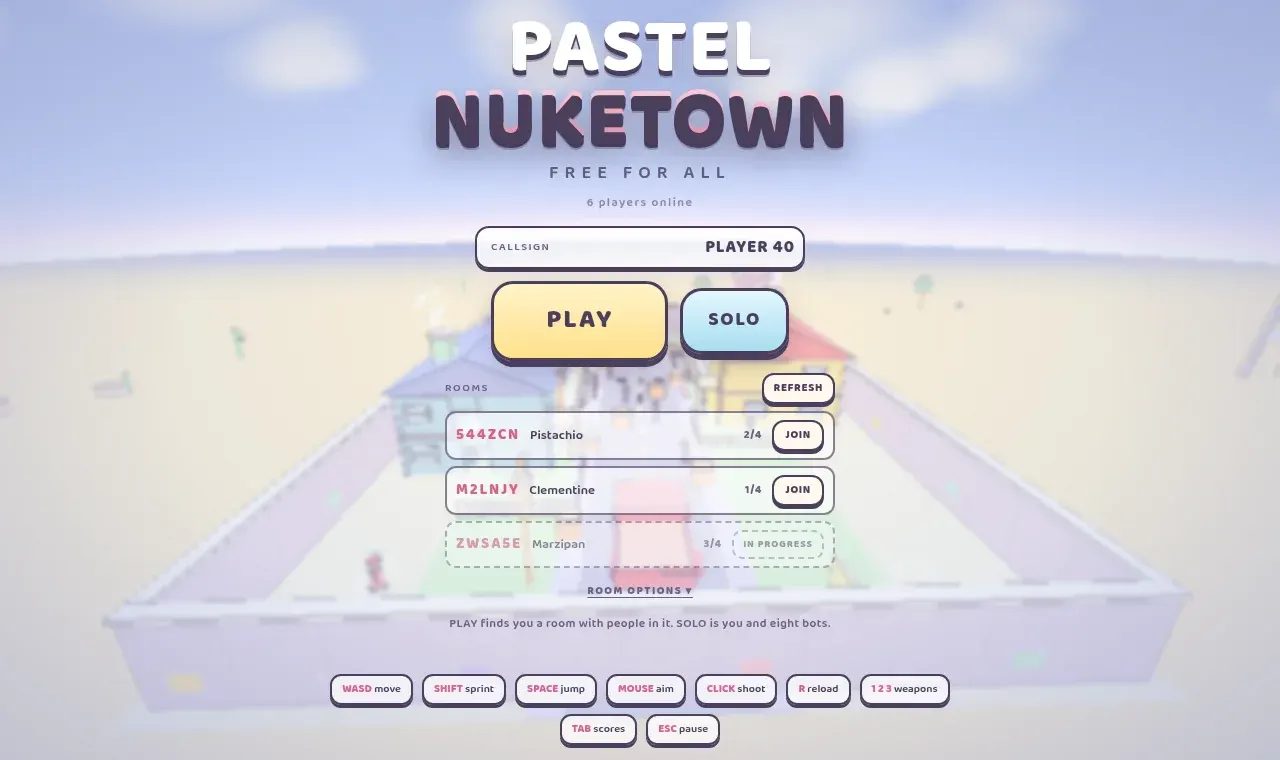
A pastel-colored browser shooter inspired by a familiar suburban combat map.
Tools: Claude Code, Gauntlet Loop
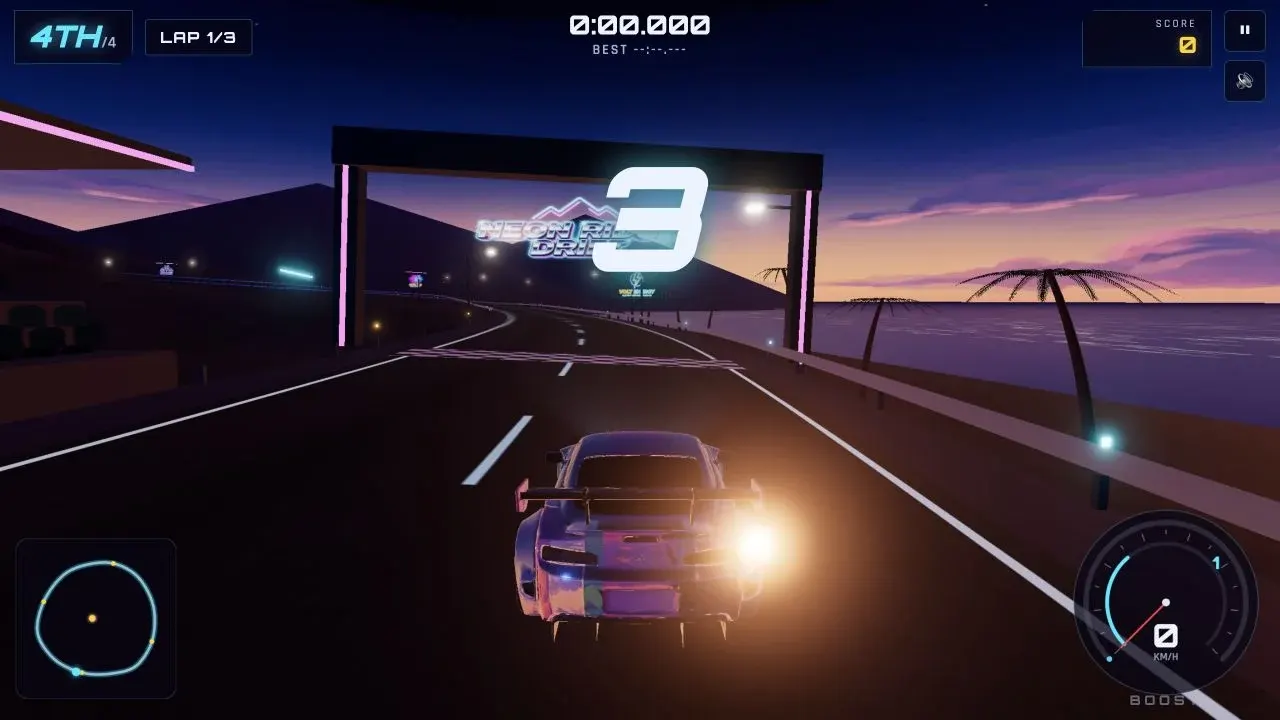
Drift through neon corners, charge your boost, and chase the perfect lap.
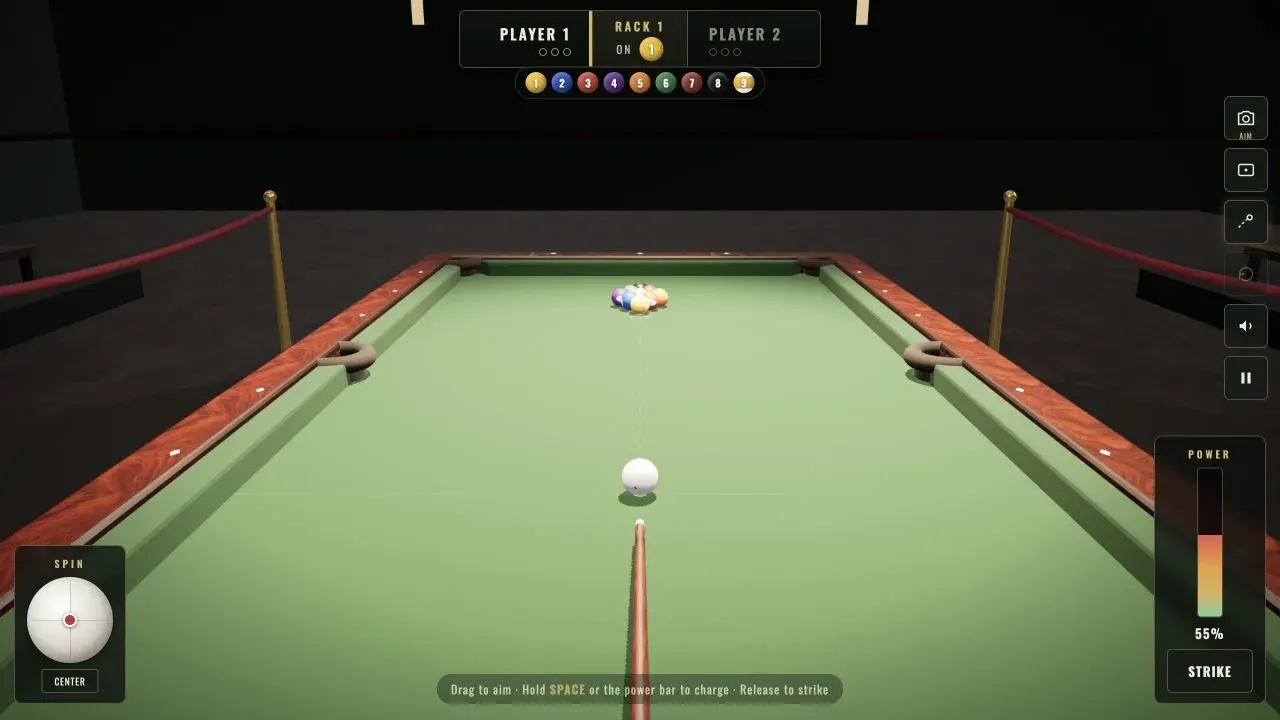
Line up a shot in a richly lit 3D billiards hall. The current demo plays nine-ball.
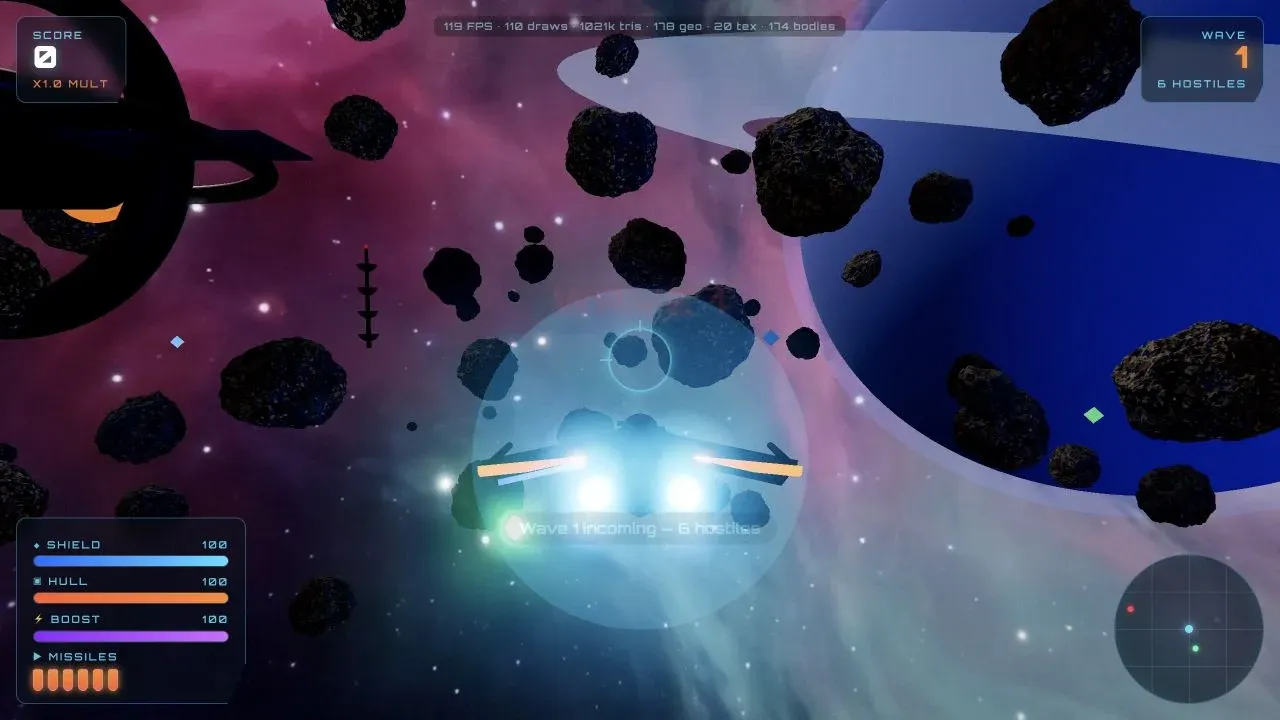
Dodge enemy waves and weave through an asteroid-filled space arena.
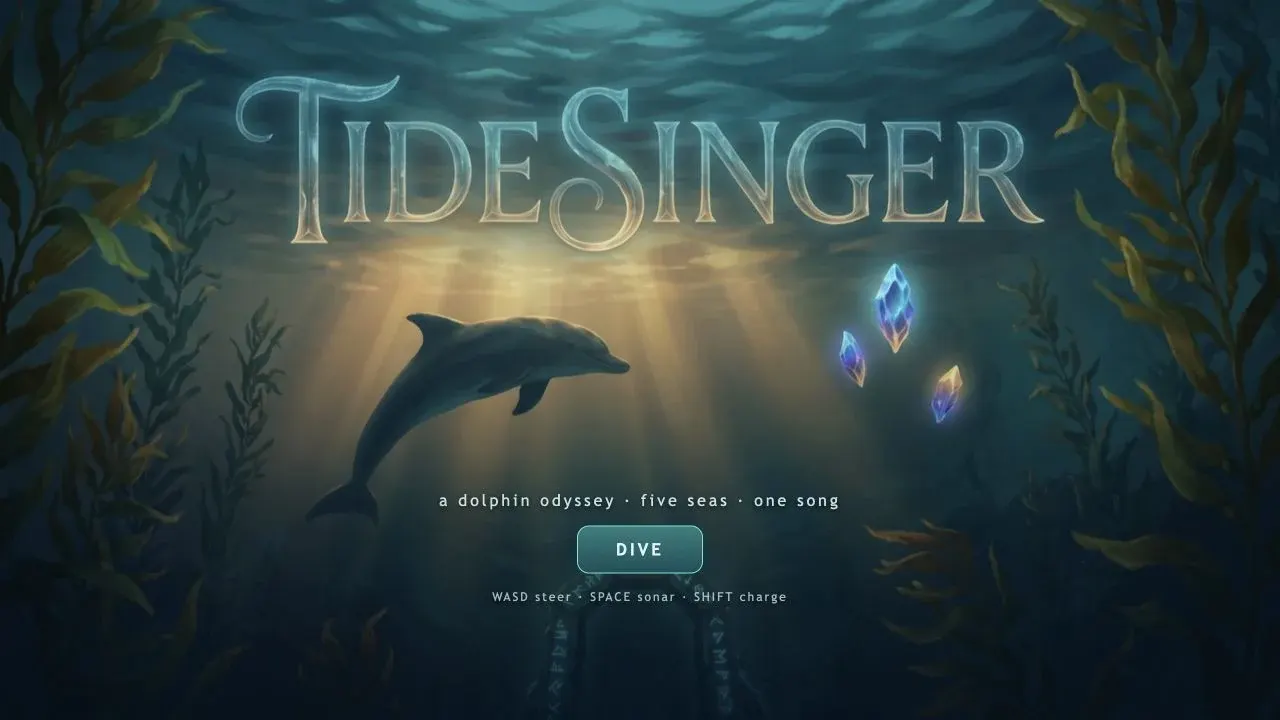
Guide a dolphin through five seas. Explore an underwater world with sonar, charges, and a song to follow.
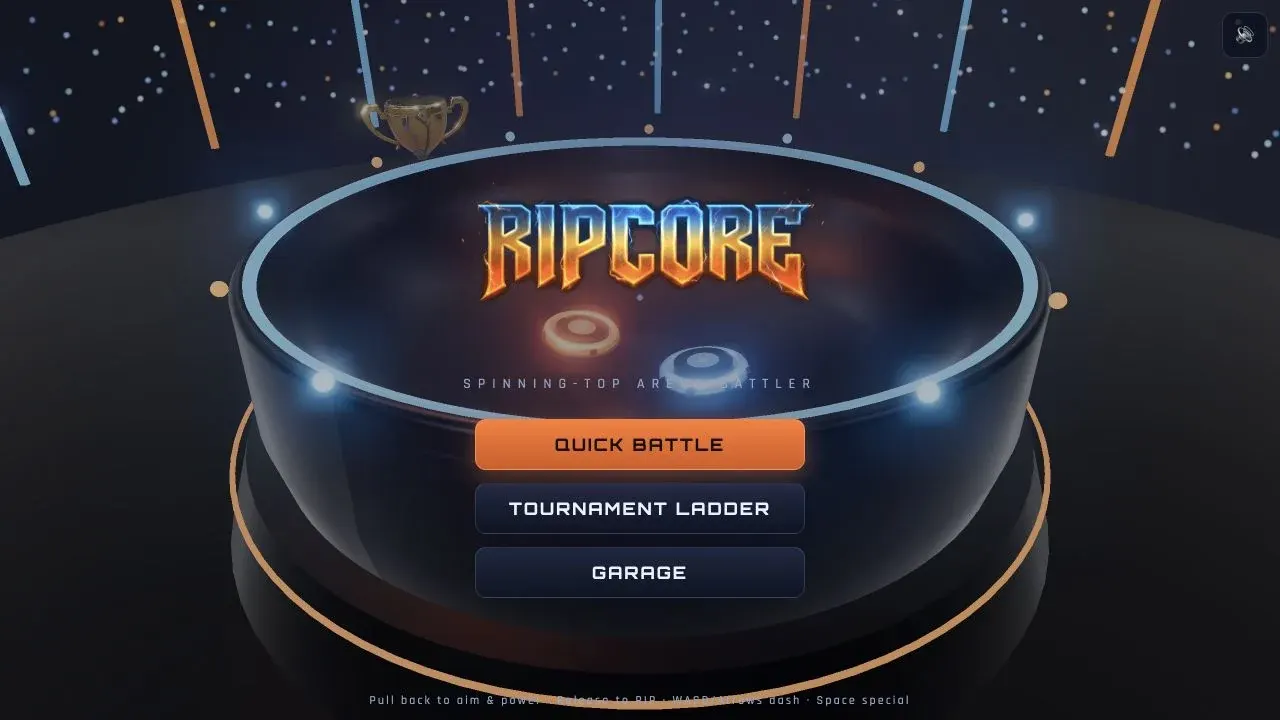
Launch a spinning top into a 3D arena. Battle rivals, climb the tournament ladder, and tune your top in the garage.

Director skills used across Majid’s browser game collection.
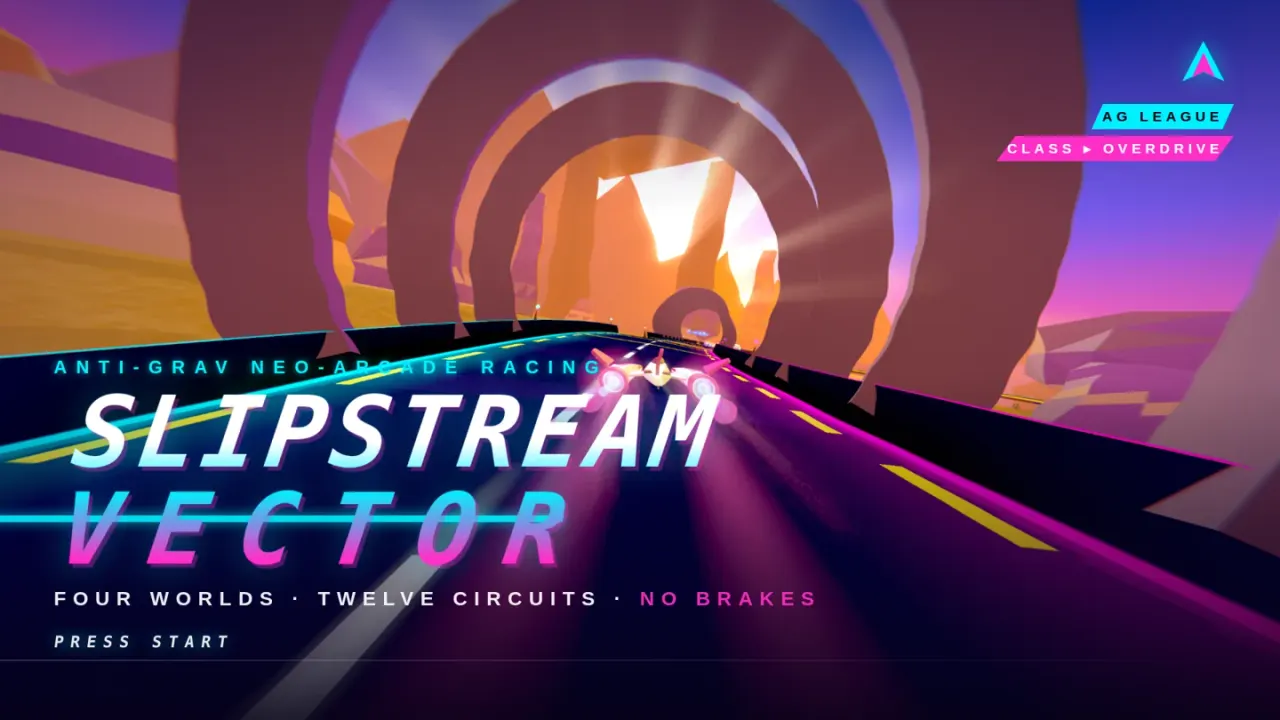
An anti-gravity racer with neon circuits, corkscrews, weapons, and rival pilots with attitude.
Tools: Claude Code, Grok, Suno
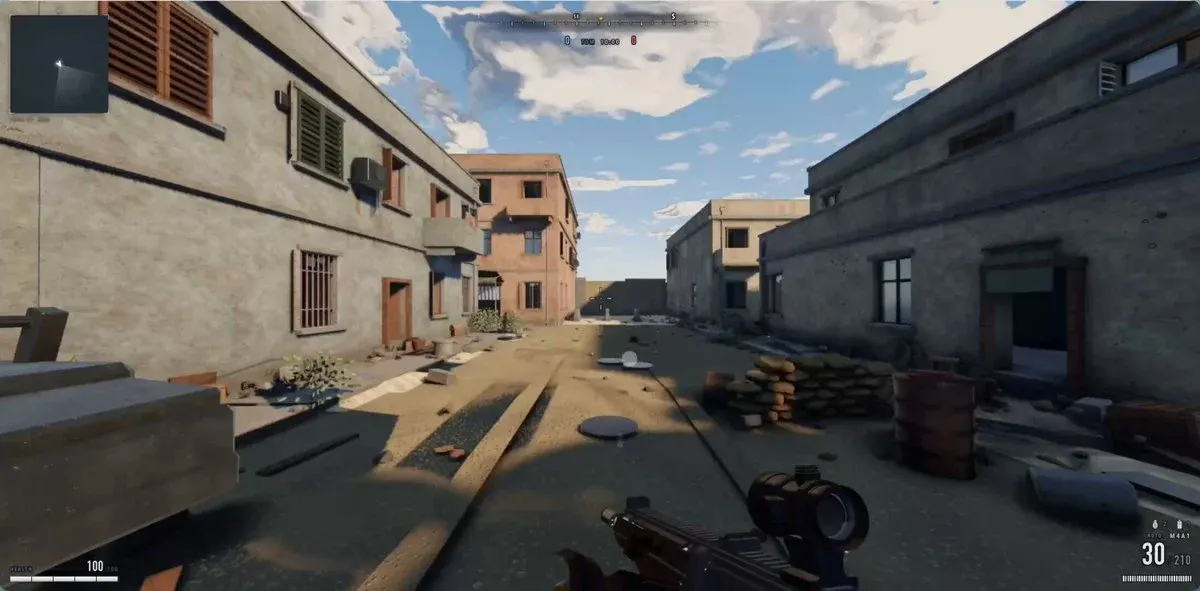
A procedural first-person shooter: city streets, weapons, physics, and sound generated in code.
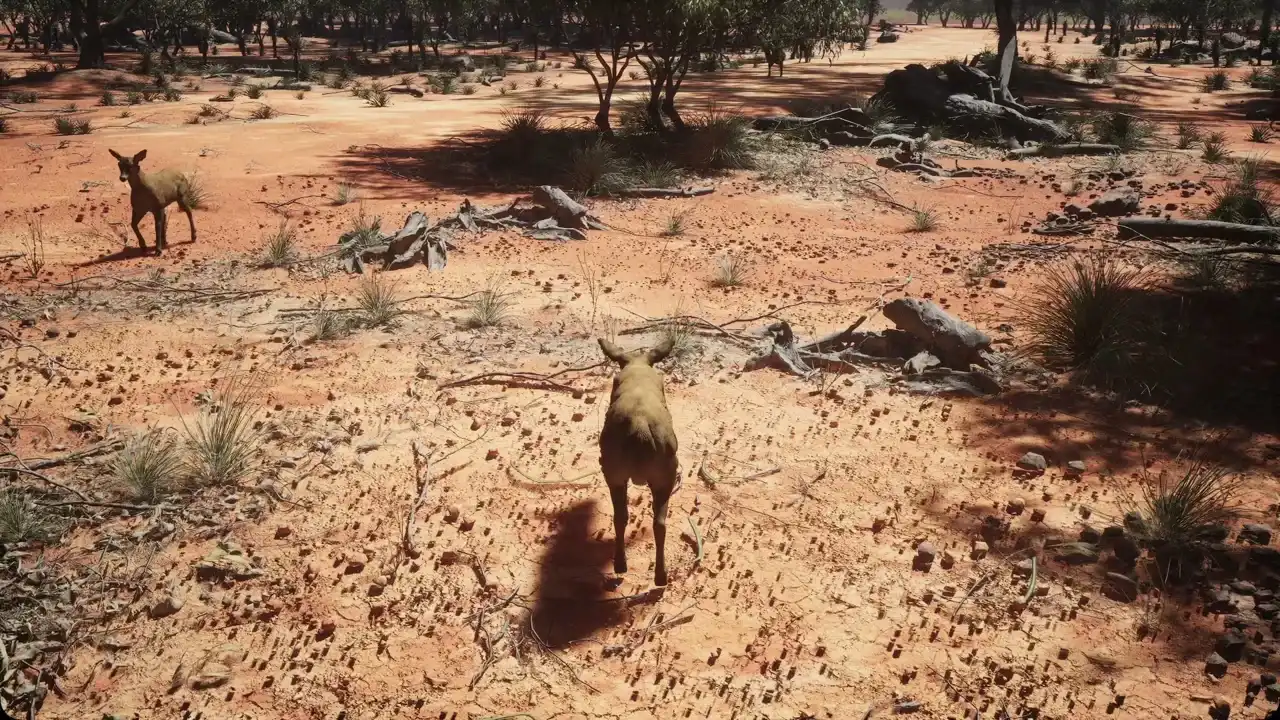
A simulated society of AI-powered characters who communicate and cooperate to survive.
Tools: Codex, Manager Loop
Original link unavailable at last check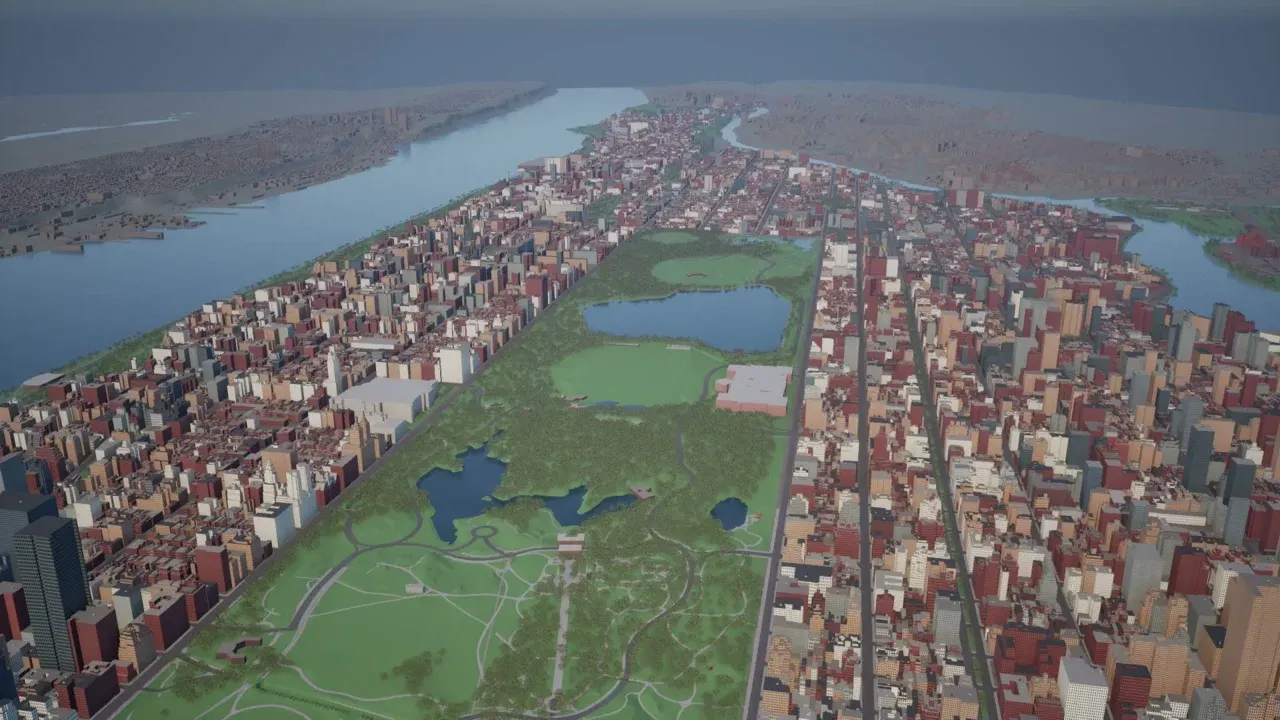
A street-by-street New York world-building experiment created in Unreal Engine.
Tools: Codex, Manager Loop
Original link unavailable at last check
An earlier experiment where the agent assembled cars from existing assets, ran the game, and adjusted its work.
Tools: Codex
Original link unavailable at last check
Matt Shumer’s workflow for delegating and iterating on ambitious builds.
Original link unavailable at last check
The original method behind Claude of Duty and the community game gallery.
An agent that generates candidate prompts for a task, tests and ranks them in a tournament, and returns the strongest candidate, introduced in a 2024 announcement.
A research agent that turns a topic into a detailed report through a chain of AI systems with access to Google, introduced in a 2024 announcement.
An open-source video-extension experiment announced in 2025 that combines prompt enhancement and last-frame context to extend Sora 2 clips.
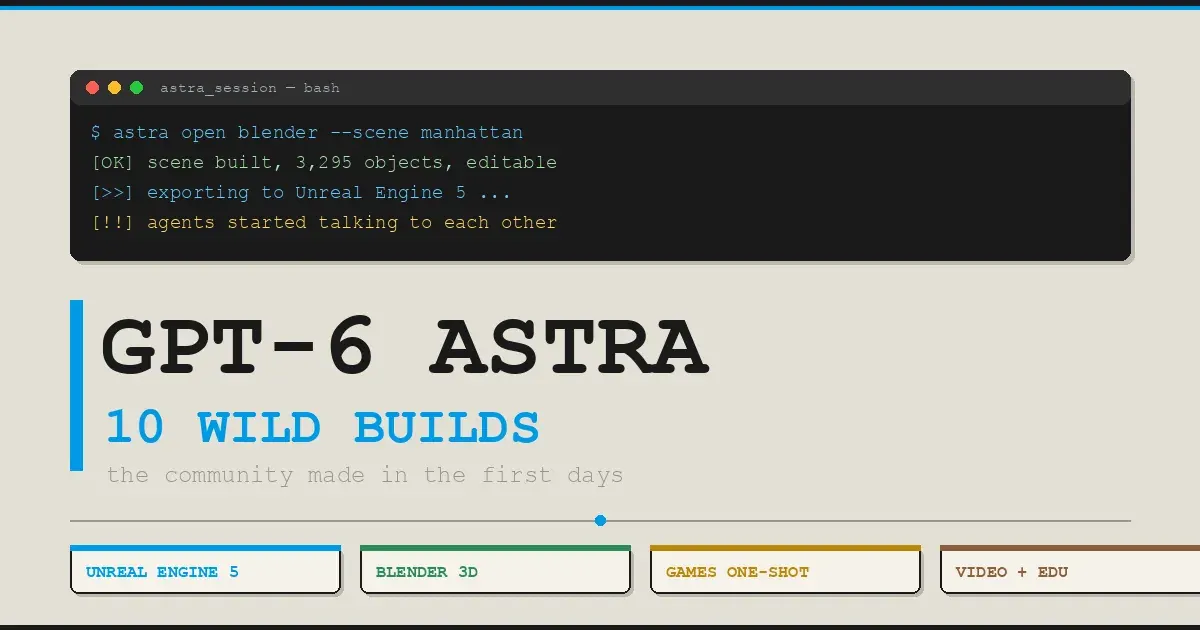
A roundup thread by Min Choi collecting ten Astra demonstrations. Pasquale Pillitteri’s article quotes and embeds the thread; Pillitteri wrote the article, and the featured builds have their own makers.
Original link unavailable at last check
Paint with swirling color. A tactile fluid simulation that turns your cursor into a brush.

A mobile fluid-simulation app announced in a 2018 post as the creator's new app, with bloom and specular lighting effects. The post links to its Google Play listing.
Tools: Unity
OpenAI’s September 3, 2026 case study reports that Playco used GPT-6 Astra in Playbot to turn one grey-box prototype into three themed game prototypes. Playco reports 50% fewer manual fixes than with its previous model.
Tools: Playbot, GPT-6 Astra
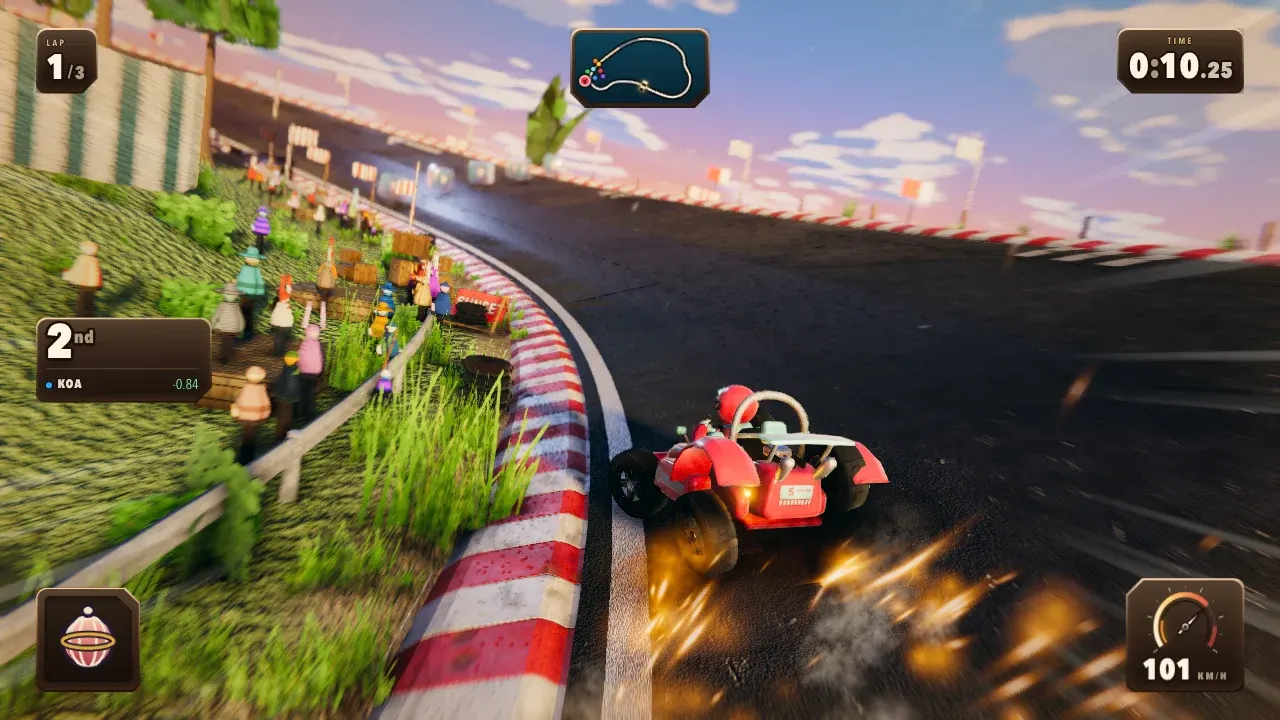
A colorful kart racer built around drifting, track variety, and a fast browser-playable loop.
Tools: Claude Code, Gauntlet Loop

A Blender reconstruction of San Francisco’s Palace of Fine Arts, presented as a cinematic architectural study.
Tools: Blender
Social post · Content unverified

Interactive browser volumetric cloud atmosphere renderer with shape and light controls, sun positioning, density adjustment, and lightning effects. Real-time realistic clouds using Gaussian primitives and analytic extinction, running on iPhone and desktop.
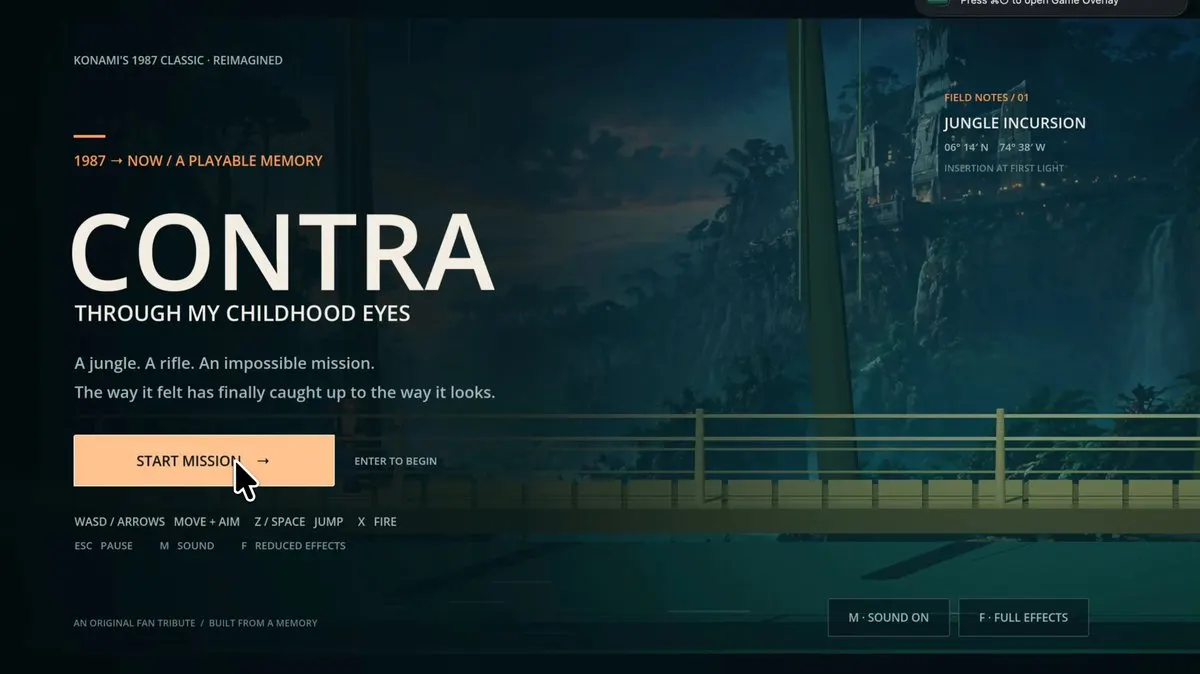
Zero-shot recreation of the classic CONTRA game in approximately 30 minutes.
Social post · Content unverified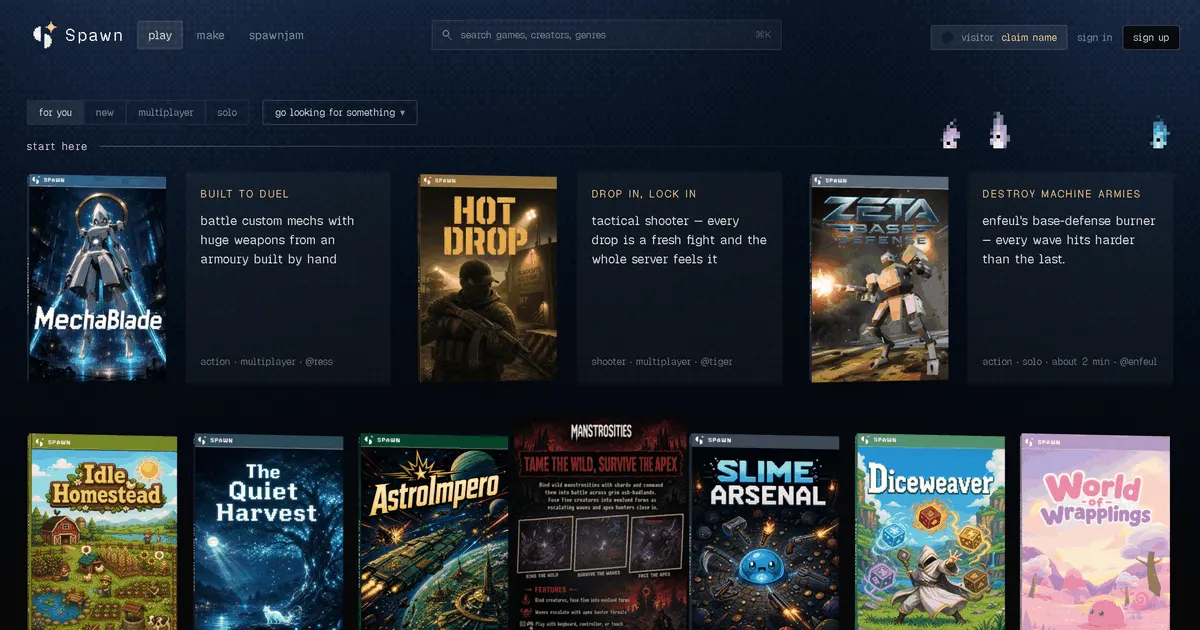
A platform for creating and hosting games.
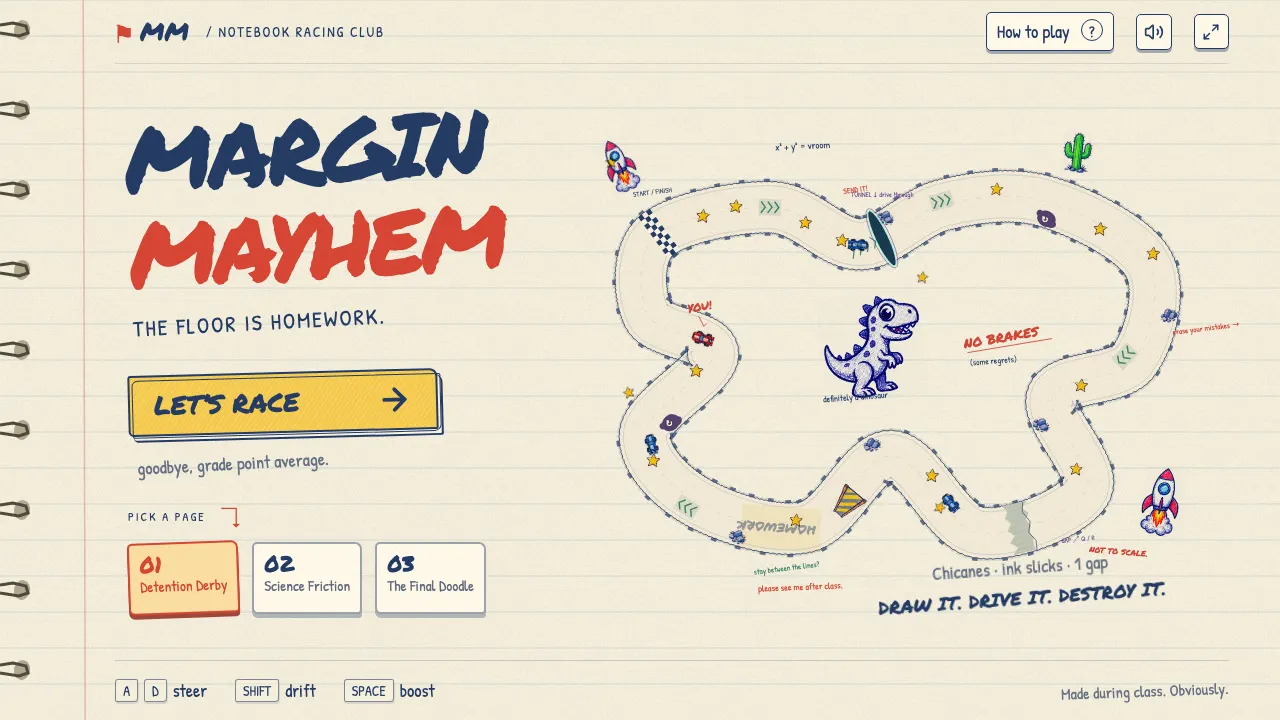
Drift through a doodled notebook, draw ramps, erase obstacles, and rewrite the race across three schoolbook tracks.
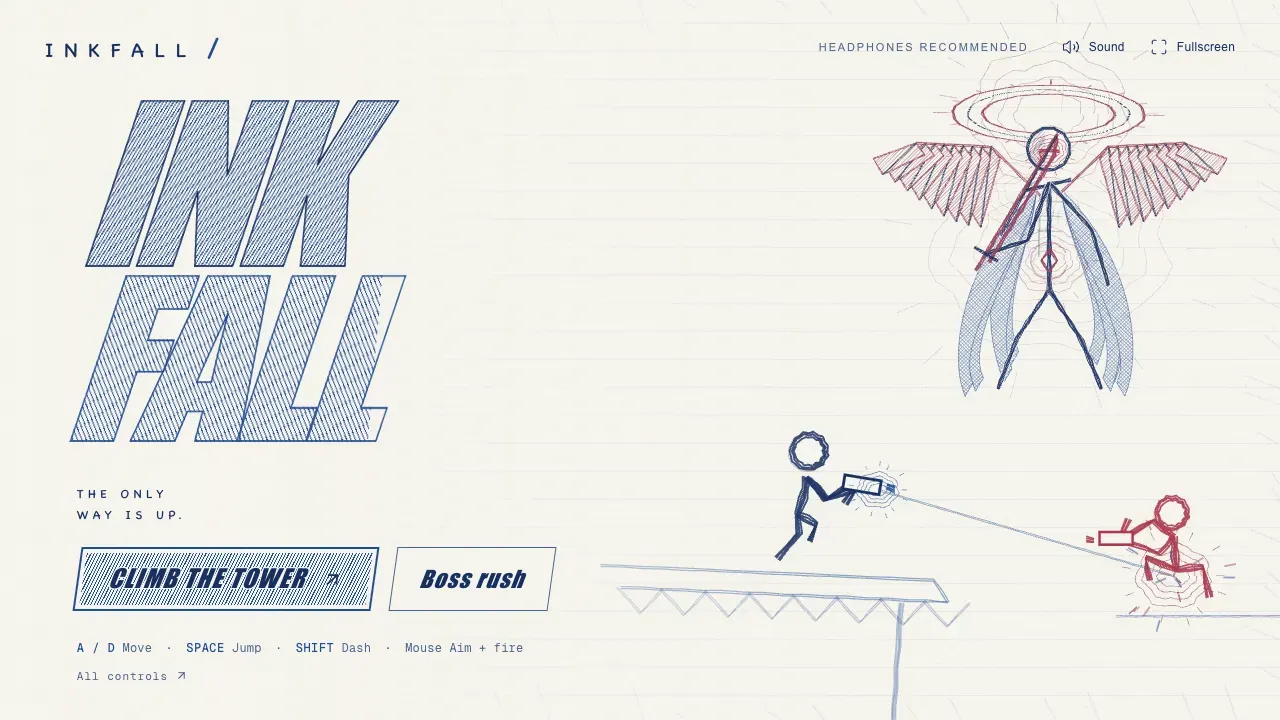
Wall-jump up a notebook tower, air-dash through bullets, and fight a winged ink god in a ballpoint-pen stickman shooter.
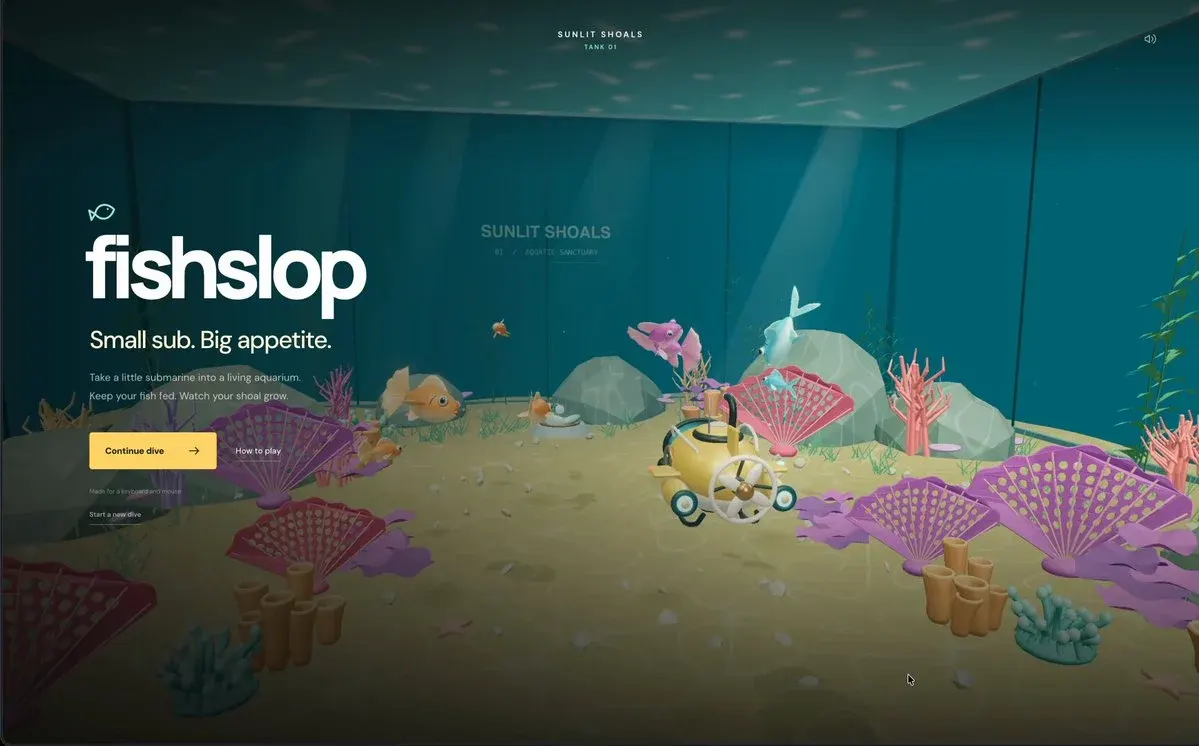
A one-shot browser game demonstrating spatial reasoning and Blender-generated scenes.
Tools: Blender, Codex
Social post · Content unverified
Pilot a spacecraft through a handcrafted-feeling world generated with Astra and Blender.
Tools: Codex, Blender
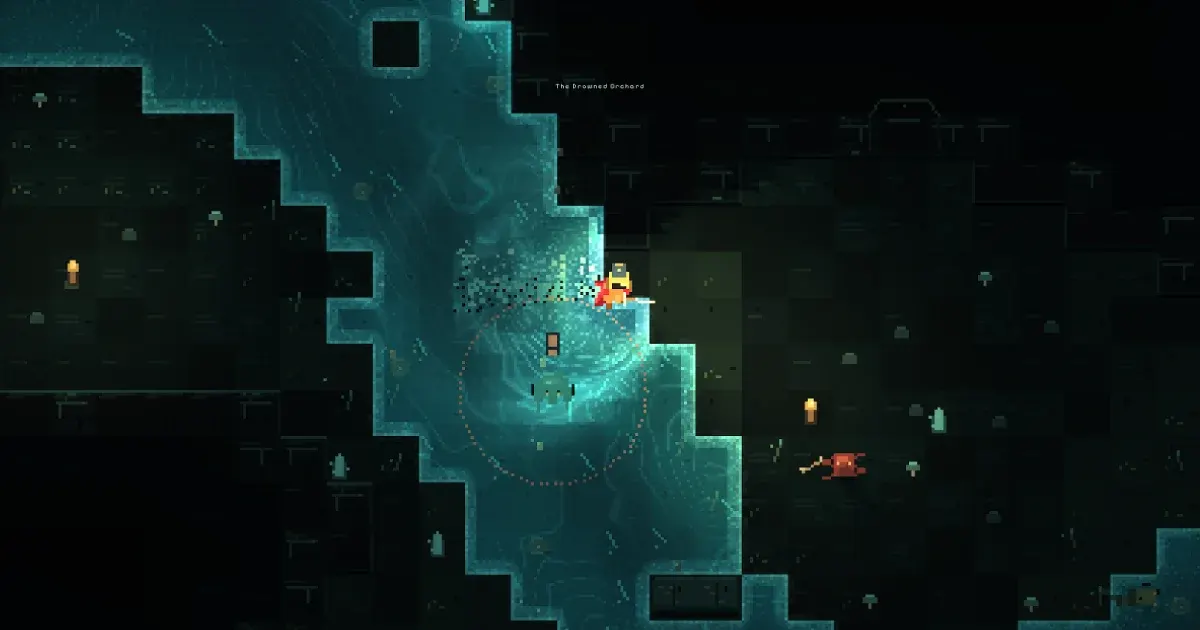
Explore a moody two-dimensional action game built through an iterative agent workflow.
Tools: Codex
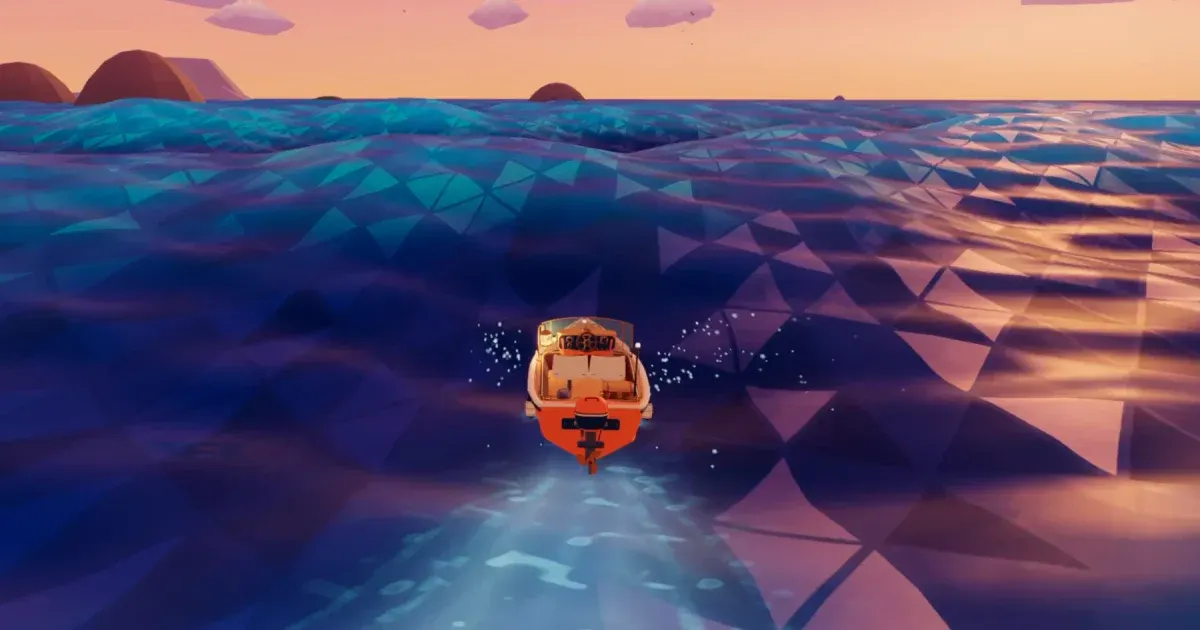
Set sail through a stylized ocean world of islands, light, and exploration.
Tools: Codex, Blender
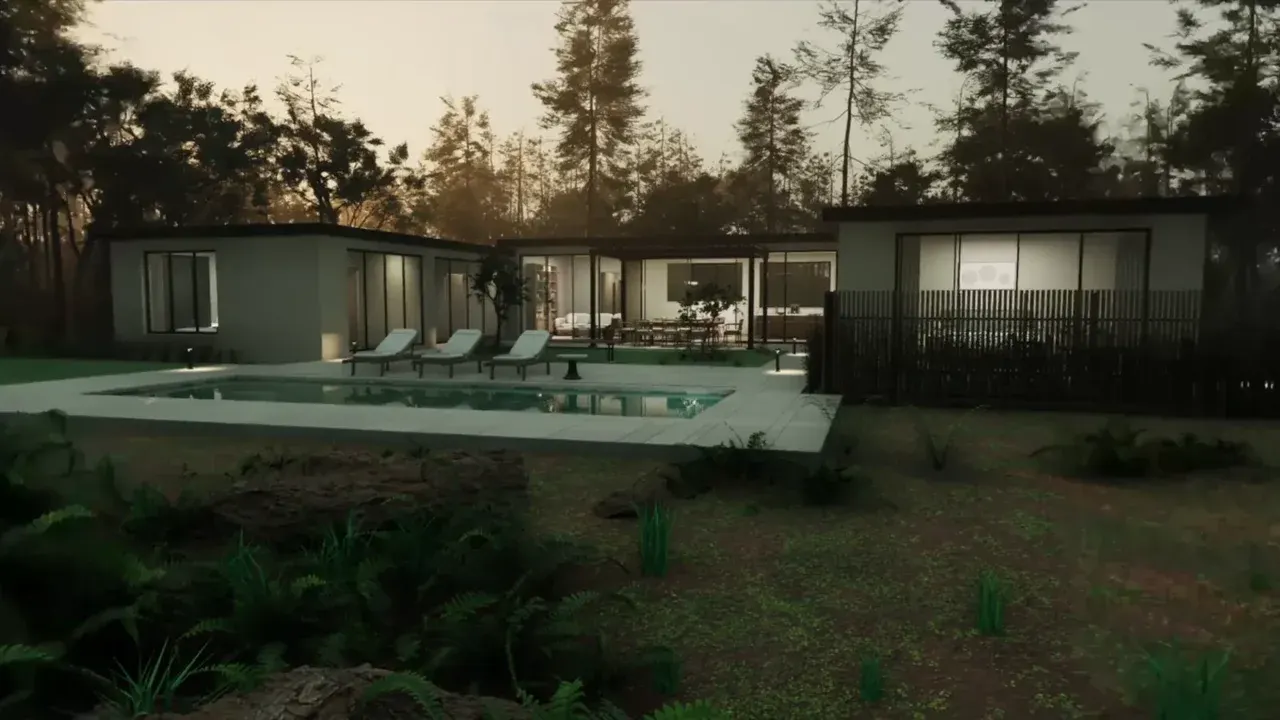
A furnished house visualization built through Blender and Unreal Engine, documented from plans to walkthrough.
Tools: Codex, Blender

Open-source SwiftUI repository linked from the account's 2019 post. The post says it is all SwiftUI and that the author wanted to see how far they could build without UIKit.

An ocean simulation where calm water gives way to dramatic storms and natural disasters.

An image becomes an editable 3D house, furnished with appliances, toys, and other small details.
Tools: Blender
Social post · Content unverified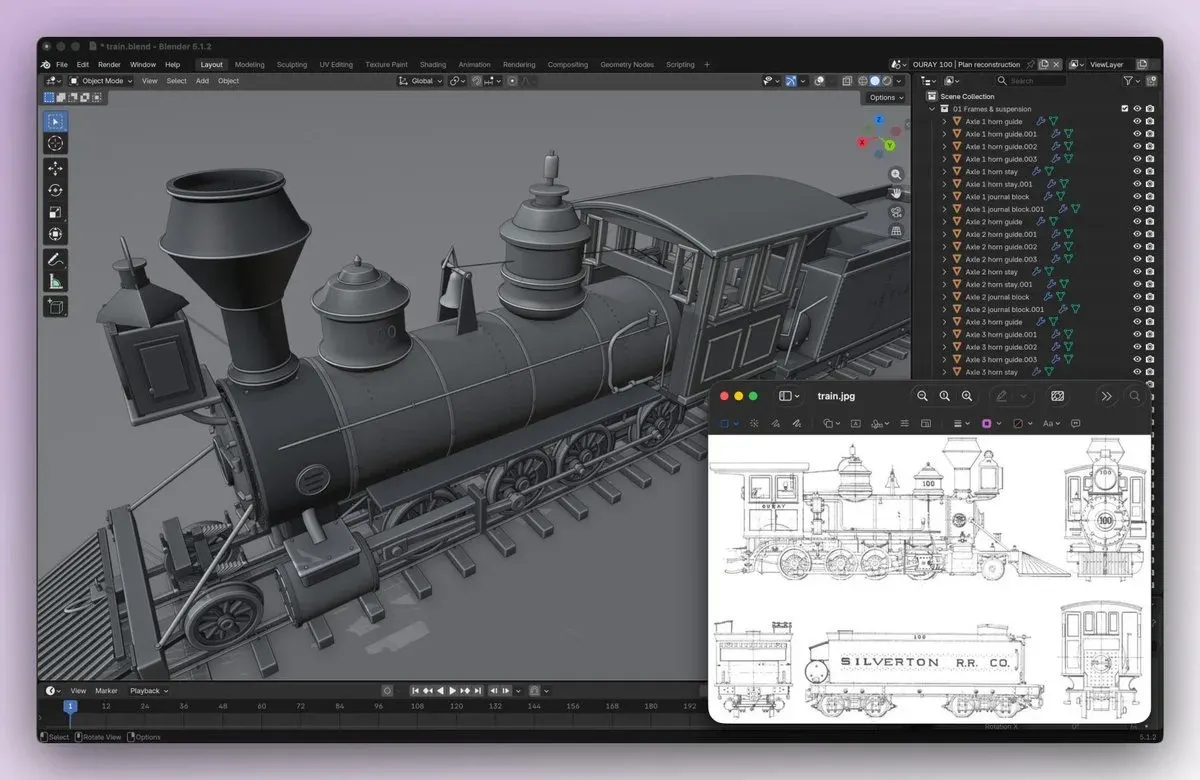
An old drawing becomes a Blender steam train made from 3,295 detailed, editable objects.
Social post · Content unverified
Agentic canvas for building ideas, introduced in the account's 2026 post. The post describes importing an existing website or web app, iterating on it, and pushing changes back to code.
GPU-accelerated 2D framework for the Flash Molehill API, introduced in a 2011 post. The linked page was not fetched, so current availability is unknown.
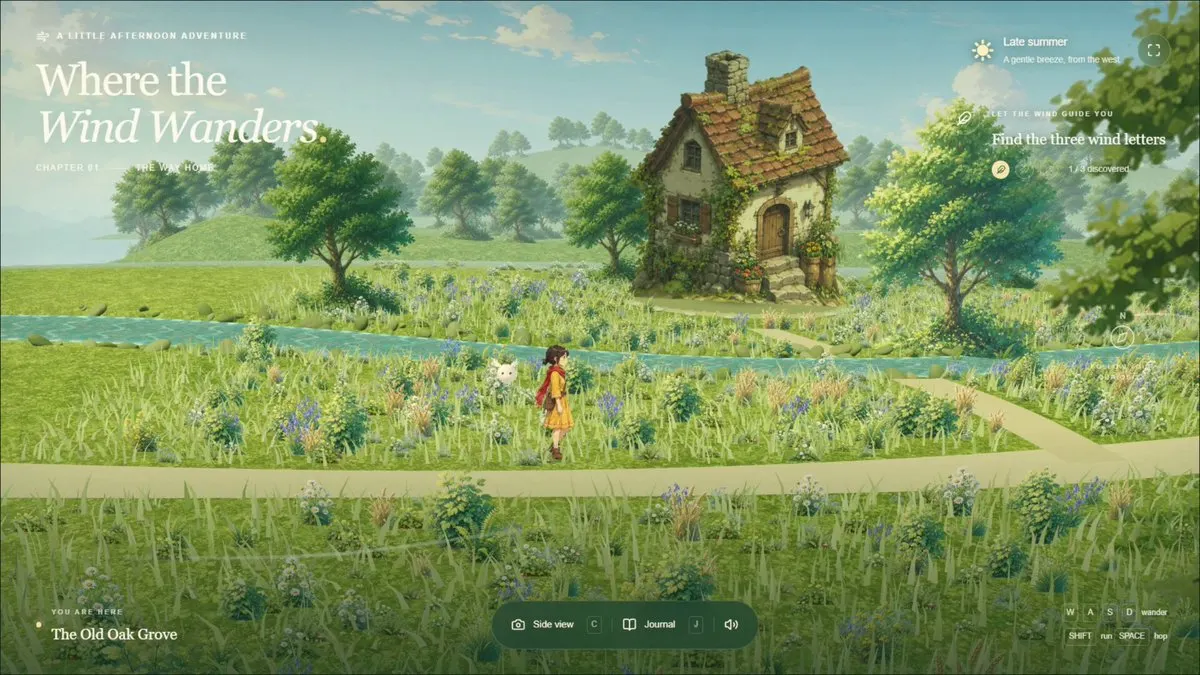
Interactive scene with carved paths, generated assets, and atmospheric depth. Creator plans integration with Crayon.
Social post · Content unverified
Announced in a September 2026 post as a live game with a play link. The post names GPT-6 Astra, Three.js, and Crayon as build tools.
Tools: GPT-6 Astra, Three.js, Crayon
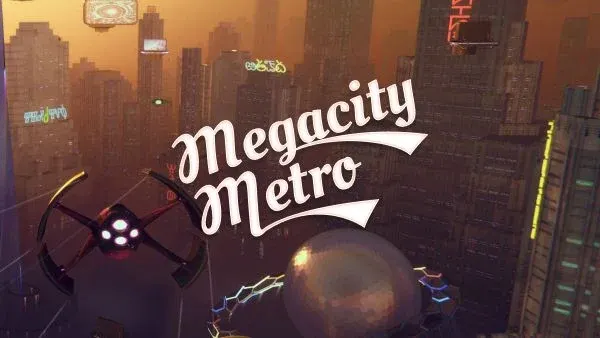
Explore a large-scale multiplayer shooter sample set above a futuristic city.
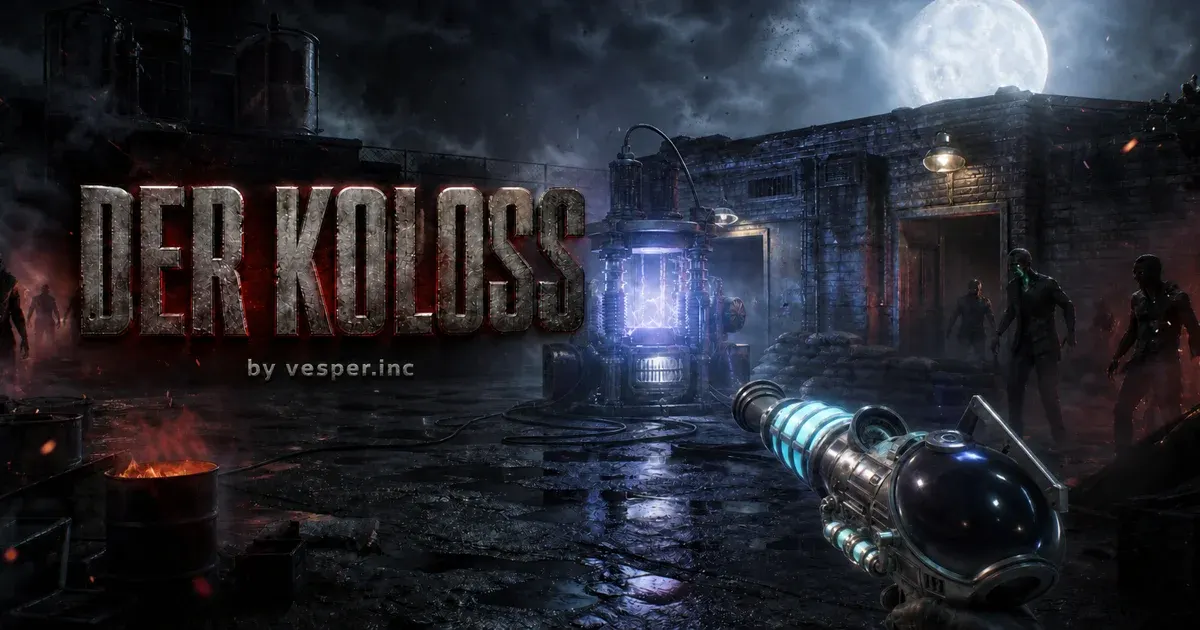
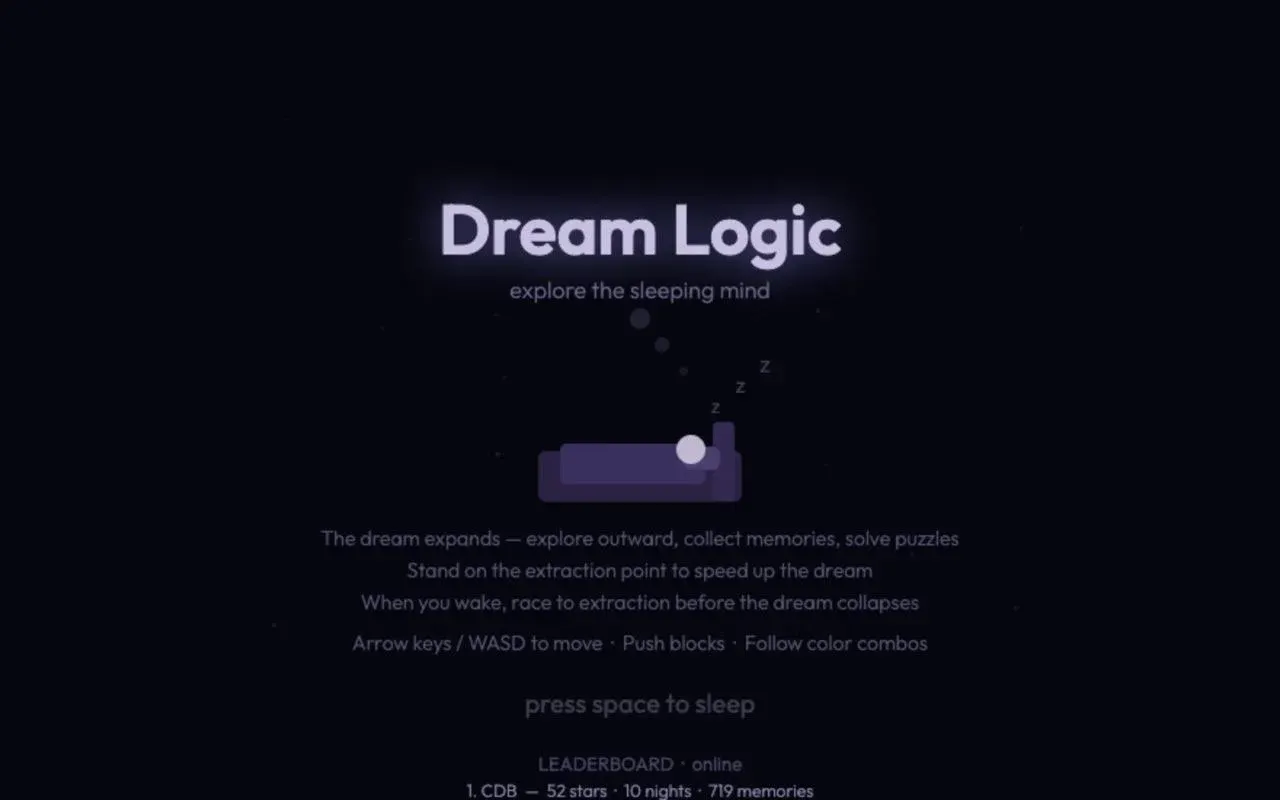
A surreal browser game from Voidtalker, featured in the Gauntlet community gallery.
Tools: Gauntlet Loop
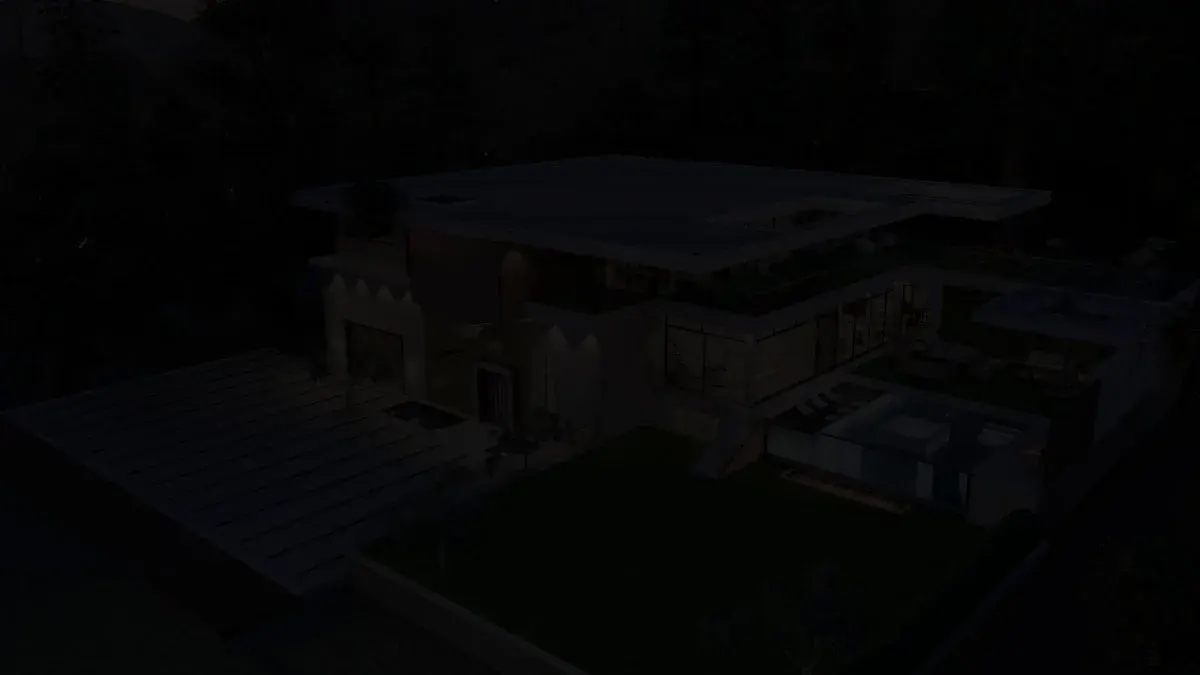
A home listing becomes a modeled house and promotional flythrough. The creator notes inaccuracies in this first version.
Tools: Blender, ROME
Social post · Content unverified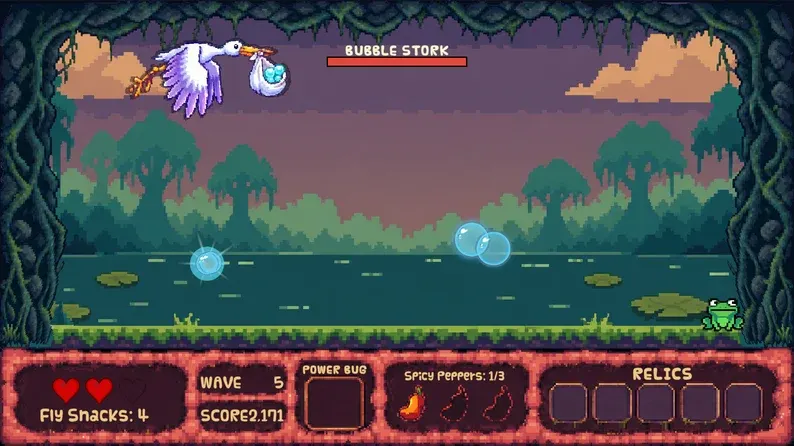
An Unreal Engine MCP and QA harness; a tool repository, not Matt’s game source.
Tools: Unreal Engine 5.8, Unreal MCP plugin, Claude Code, Python 3, Blender, ImageMagick, Cesium for Unreal
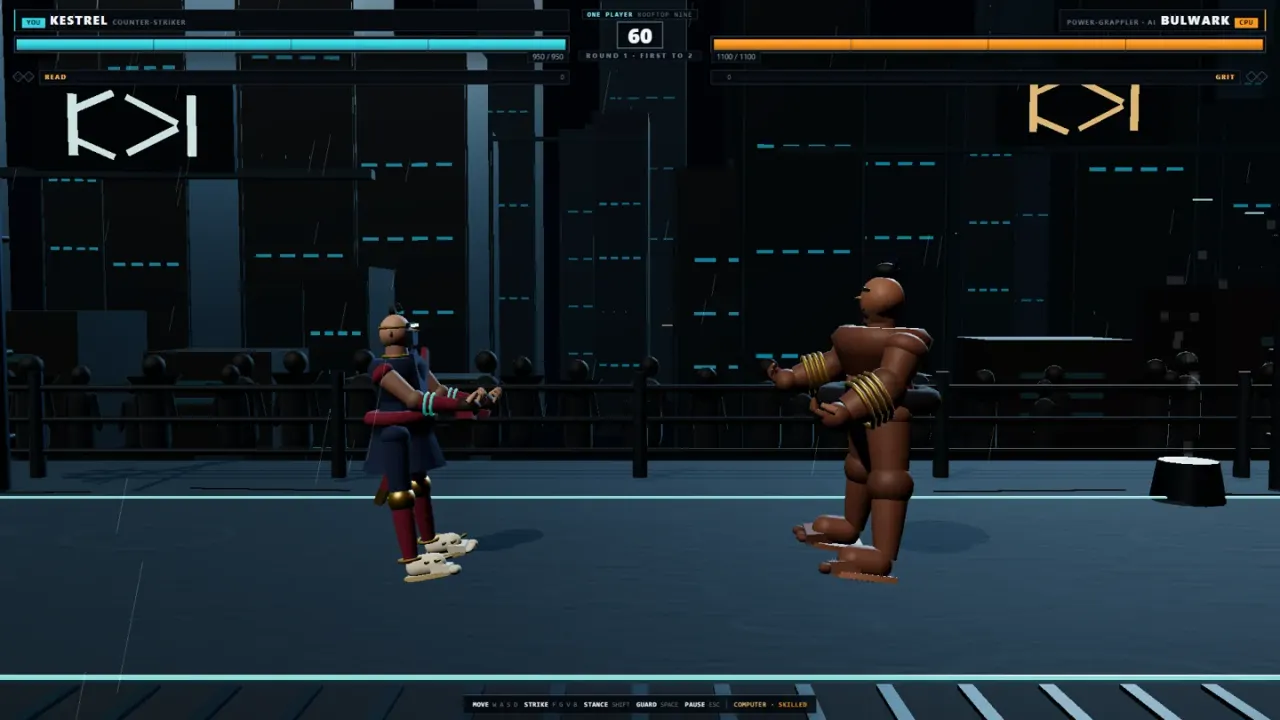
Step into a procedural fighting arena with training modes, combos, and custom-built animation.
Try another name or topic, or clear the filters.


